Wadi Mujib Jordan: The Ultimate Guide to the Stunning Wadi Mujib Dead Sea Canyon (2026) | Jordan Travel Series – 11 of 13

We were standing in a small, dusty gravel parking lot at 8:40 in the morning, both still slightly damp and smelling faintly of salt from our Dead Sea swim the evening before. That was when a local guide wearing a faded RSCN t-shirt walked over, squinted at his clipboard, and asked if we’d booked the 9:00 AM slot.
We had. We logged onto the slow booking portal two days earlier from a hotel room with spotty, frustrating wifi, half-convinced the reservation hadn’t actually gone through.
”You swim?” he asked, looking down at Tania’s feet. She was wearing proper hiking sandals—the rugged kind with heavy-duty straps meant for rugged terrain.
”A little,” she said with a shrug.
”You will swim a lot,” he replied flatly, turning around to check the next group’s paperwork without another word.
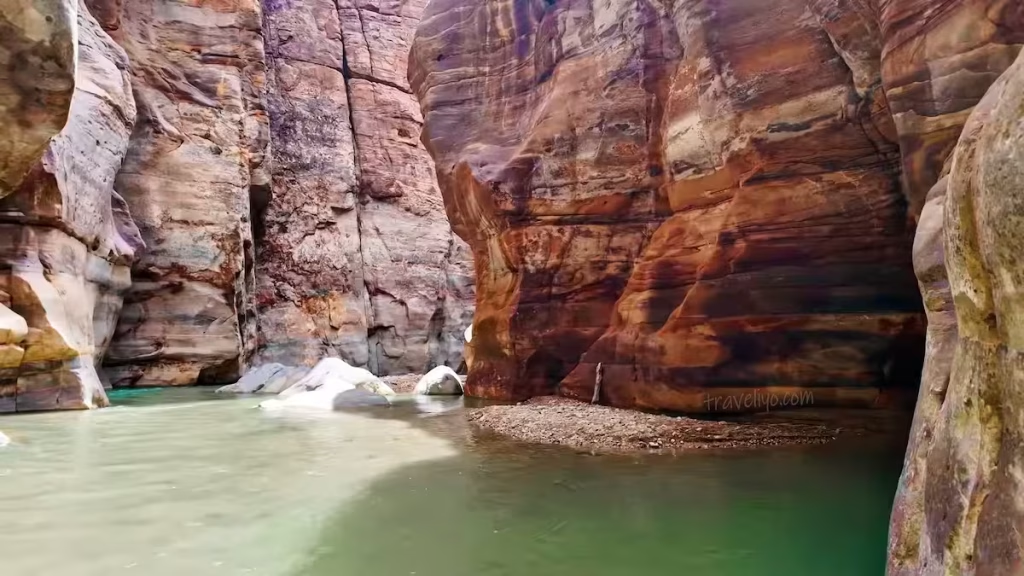
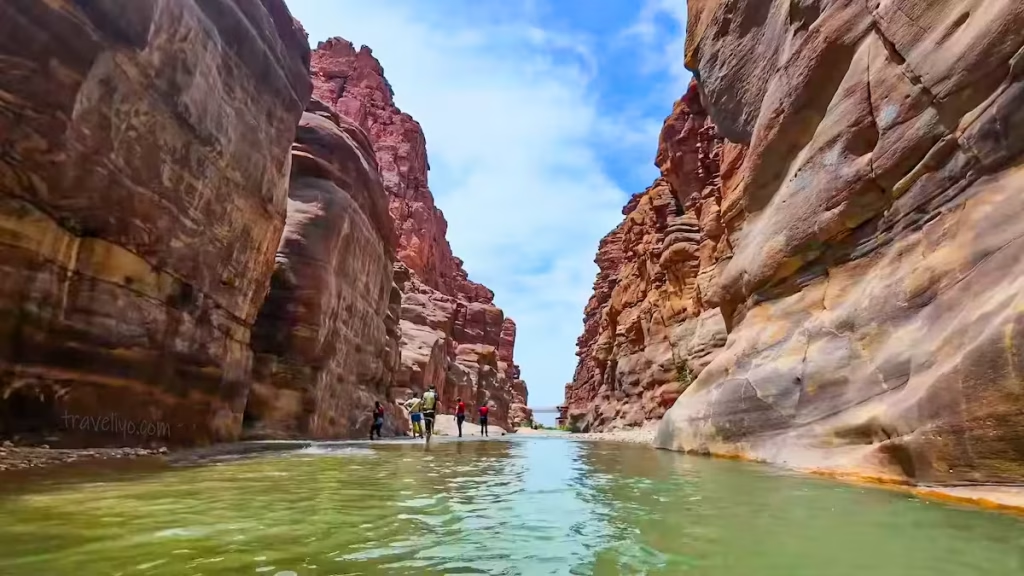
That was our entire official orientation to Wadi mujib Jordan—a single, blunt sentence from a man who clearly had better things to do than reassure two slightly anxious travelers. In hindsight, it was exactly the right amount of warning. The magnificent canyon in wadi mujib does not ease you into the experience. You start on a seemingly dry riverbed, and within ten minutes, you are wading through chest-deep water with massive sandstone canyon walls rising so close on both sides that you can touch them without even fully extending your arms.
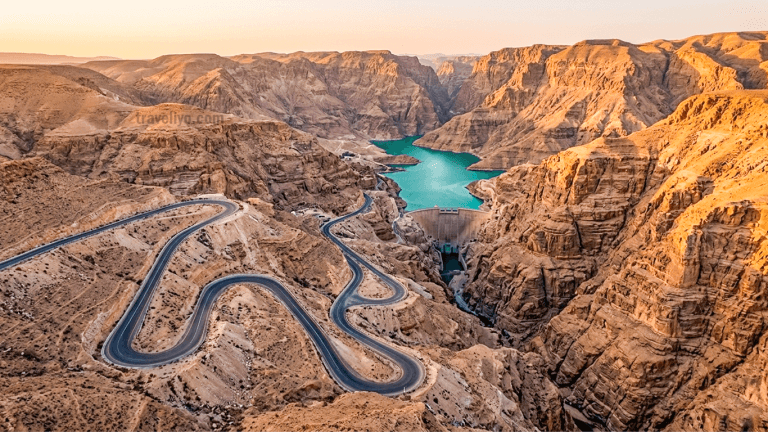
This isn’t the distant roadside viewpoint we wrote about a few days earlier along the winding Kings Highway, where you stand safely on a concrete bridge and look down from hundreds of meters above. This is the heart of the raw gorge itself—wet, narrow, roaring with fast-moving water, and genuinely one of the absolute best things Tania and I did during our entire time in Jordan.
Before you pack your gear and drive down to the Wadi mujib dead sea coast, here is a quick, no-nonsense breakdown of what to expect from the ultimate self-guided adventure in the country.
📌 Missed the beginning of our journey? Before tackling this wild water canyon, we started our Jordanian exploration navigating the historic, bustling streets of the capital. Check out our complete guide to Amman: The Perfect Gateway to Your Jordan Adventure to see how our entire trip kicked off.
💡 Quick Note: Please do not confuse this with the dry desert canyon trails elsewhere. The legendary Wadi Mujib Siq Trail begins directly from the main adventure office located right on the Dead Sea Highway (Route 65), not from the high mountain passes of Route 35. Grab a heavy-duty dry bag before arriving; your smartphone or camera gear will absolutely not survive this trek without one.
1. Destination Overview — What Is the Wadi Mujib Canyon?
The Wadi Mujib Biosphere Reserve sits like a dramatic tear in the earth along the rugged eastern shore of the Dead Sea. Dropping down to roughly 410 meters below sea level at its lowest point, it holds the official geographical title of the lowest nature reserve on the planet. Tania and I had read that specific fact in a couple of travel guidebooks before launching our trip, and we more or less dismissed it as an empty marketing stat.
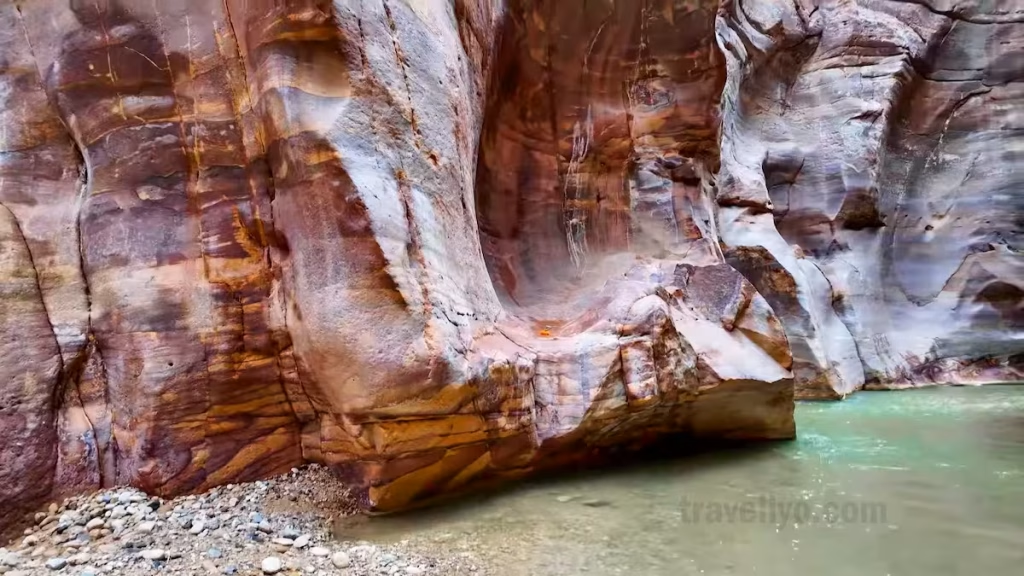
However, when you are standing at the absolute bottom of that sheer Wadi mujib canyon, looking up at ancient towering walls that seem to actively lean inward the higher they climb, it stops feeling like a trivia point. It starts feeling like one of the most beautiful, humbling, and mildly intimidating places you could ever find yourself walking through.
The massive reserve is closely managed by the RSCN (The Royal Society for the Conservation of Nature) and protects roughly 212 square kilometers of intricate canyon systems, jagged cliffs, and hidden mountain river streams. These water systems feed directly down from the deep Jordanian highlands straight into the hyper-saline waters of the Dead Sea.
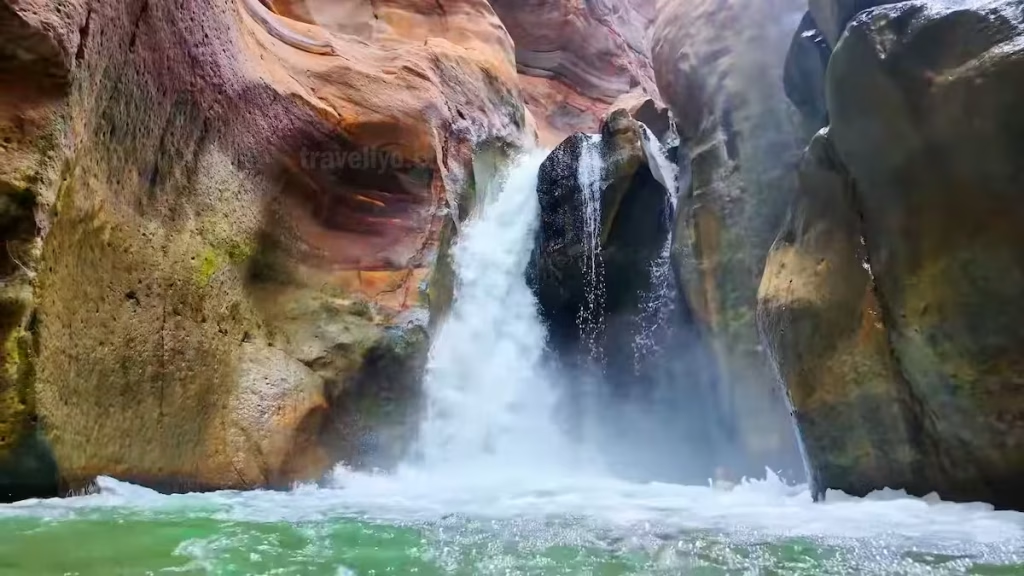
The famous Siq Trail is the main artery for visitors. It is an independent, water-based trek that requires you to scramble directly upstream against the current of the Mujib River, navigating a deeply narrowing gorge until you reach a dramatic, hidden waterfall. Here, the trail layout forces you to use heavy steel ropes bolted into the slick rock faces to haul yourself up before sliding back down into the churning plunge pools below.
The water itself is surprisingly cold—significantly colder than either of us anticipated, especially considering the blistering desert heat pounding the highway just outside the entrance. The river is constantly fed by deep underground springs higher up in the mountains, and because the steep sandstone walls block out the sun for the vast majority of the day, the microclimate inside the canyon stays beautifully cool. Within the first fifteen minutes of stepping into the water, the dry, heavy heat of the morning desert felt like a distant memory.
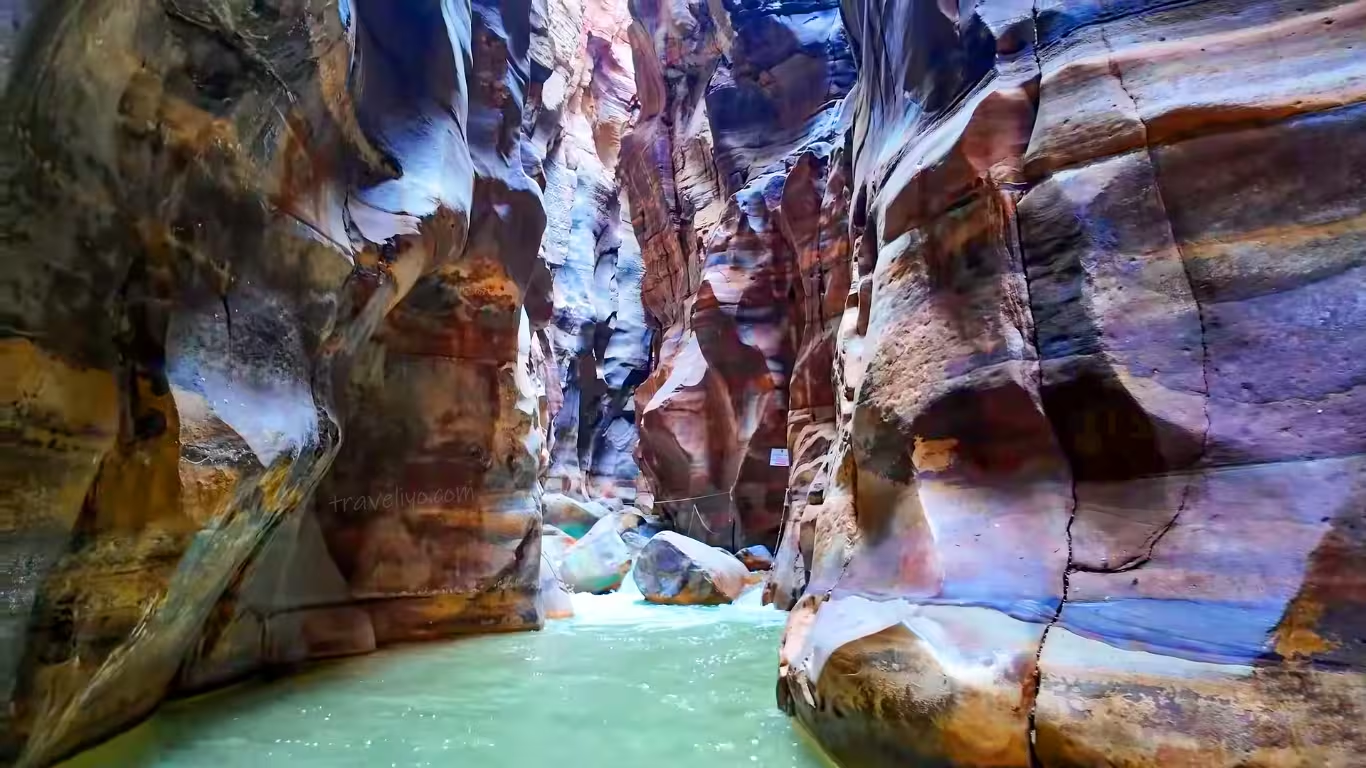
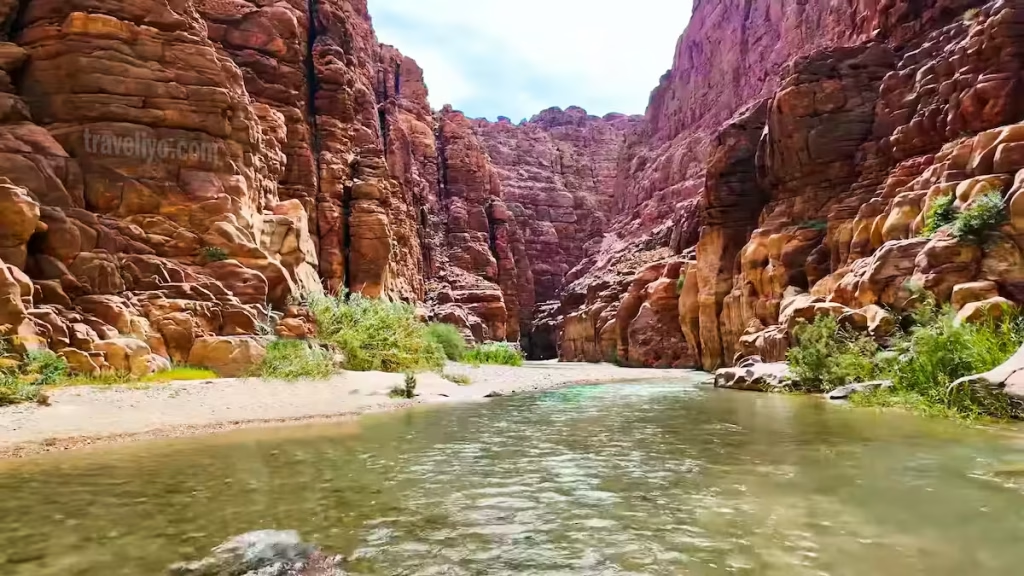
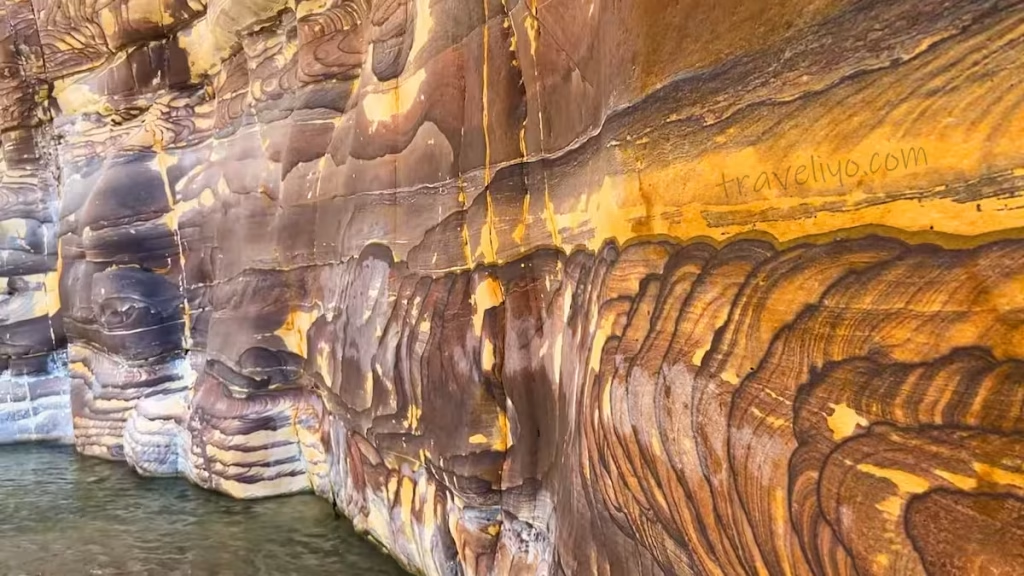
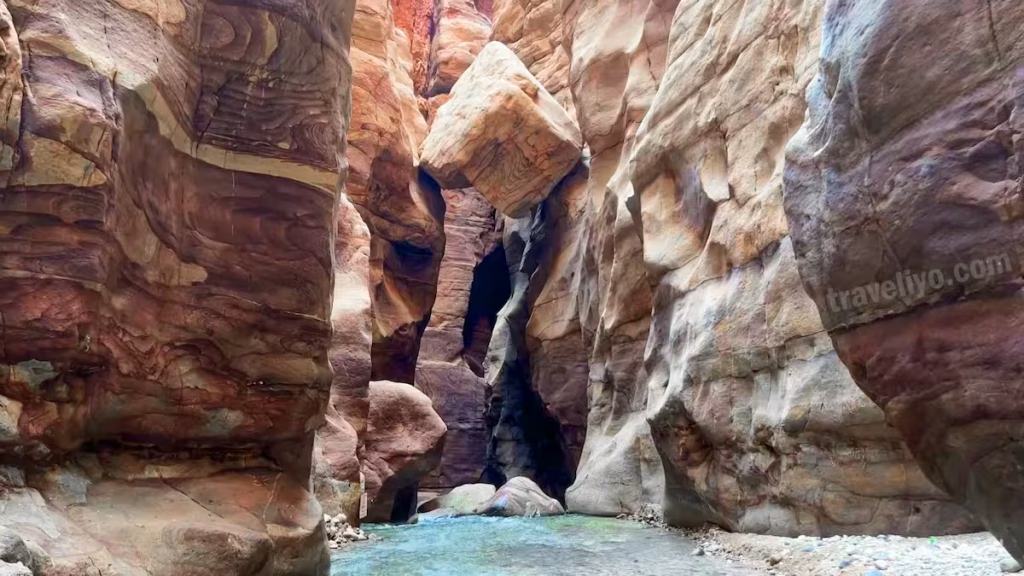
What struck me the most as we pushed deeper wasn’t just the sheer visual beauty—though the twisting sandstone walls painted in rich shades of deep rose, ochre, and dark purple smoothed by thousands of years of rushing water were incredible. It was the overwhelming sound. Inside the narrowest bottleneck sections of the canyon, the roar of the moving river amplifies and echoes off the smooth rock faces, creating a constant, booming soundtrack. In several stretches, having a normal conversation with someone standing two feet away is impossible. You don’t chat. You just focus on your balance, wade forward, and occasionally yell an instruction or a warning to your partner navigating the rocks ahead of you.
🌿 Conservation Realities: The entire ecosystem here is strictly protected. The RSCN monitors water levels hourly and enforces strict seasonal rules. Solo hiking past the safety gates is forbidden, and they will easily cap entries on heavy weekend mornings if the crowd size threatens the trail’s safety lines. This isn’t tedious bureaucracy; when you see how narrow the canyon paths get, you quickly realize that unlimited foot traffic would turn this natural wonder into a chaotic, hazardous bottleneck within hours.
2. Why We Chose to Hike the Wadi Mujib Siq Trail
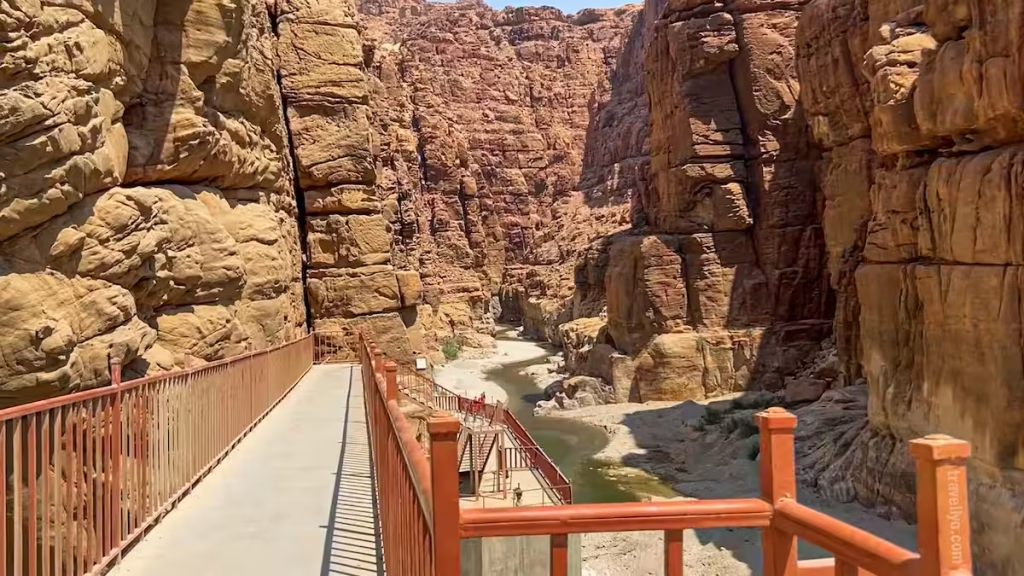
After stopping at the spectacular roadside viewpoint a few days earlier on our road trip, I genuinely thought we had fully “seen” Wadi mujib Jordan. We stood on the high concrete bridge, looked down into the massive gorge, took our mandatory photos, and moved on. It felt like a complete experience at the time.
Then we arrived at the Dead Sea. While relaxing by the hotel pool, we struck up a conversation with a German couple who had just returned from the Wadi Mujib Siq Trail. They were completely soaked through, grinning from ear to ear, and eagerly comparing shaky GoPro footage of an intense waterfall climb. That single conversation is the entire reason this blog post exists. Tania looked at me halfway through their wild story and said, “We’re doing that tomorrow,” in a firm tone that definitely wasn’t a question.
I will openly admit that my enthusiasm was significantly lower than hers. I am not the strongest swimmer in the world, and hearing descriptions of “chest-deep water in a narrow canyon” sounded more like a survival challenge than a relaxing holiday activity. But this specific canyon in wadi mujib has a legendary reputation for a reason. Turning down the actual immersive experience after already driving past it once felt like a massive waste of an opportunity.
So, we logged on and booked the 9:00 AM slot that same evening—mostly on Tania’s firm insistence. I spent the rest of our quiet dinner secretly Googling, “Do you need to know how to swim for Wadi Mujib?” (The short answer: No, you don’t. Life jackets are completely mandatory and provided by the Mujib adventure center. I felt instantly better after reading that).
3. Best Time to Visit Wadi Mujib Canyon
The Strict Operating Season
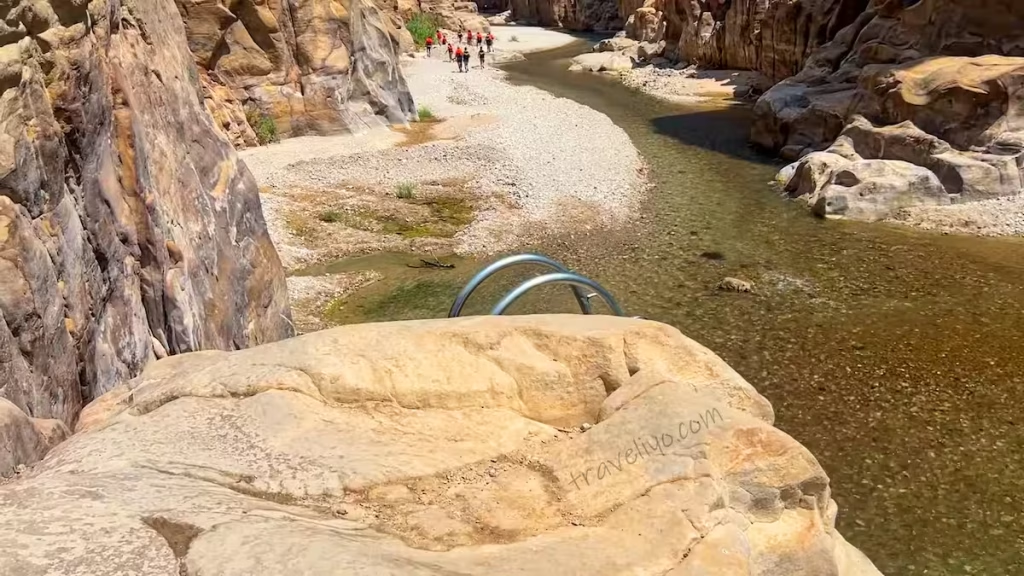
Unlike many other historical attractions in Jordan, the trail here has a very strict open season. You can only physically explore the Wadi mujib canyon from April through the end of October. This isn’t just a marketing preference or staffing issue—it is a critical safety protocol.
Outside of this window, the gorge is completely locked down by the authorities due to the extreme risk of sudden flash floods triggered by winter rains high up in the Jordanian mountains. Water that looks perfectly calm and manageable at the Wadi mujib dead sea entrance can surge violently and without warning further upstream. To prevent tragedies, the reserve simply shuts the entire operation down for the colder months.
Tania and I visited in late spring, which honestly turned out to be the perfect sweet spot. The river water levels were totally manageable—ranging from waist to chest-deep in the heaviest sections. Furthermore, the ambient air temperature out on the highway was just warm enough that plunging into the cold mountain runoff felt incredibly refreshing rather than freezing.
Navigating Peak Summer Conditions
July and August bring the absolute highest demand to the reserve. This is mostly because the shaded, cool Wadi mujib waters offer the only genuine physical relief from the blistering summer temperatures that regularly cross 38°C (100°F) down near the Dead Sea.
However, the major trade-off for that cool water is the intense crowding. You will encounter much larger, noisier tour groups, experience noticeable bottlenecks waiting your turn at the final rope climbs, and likely have a guide hurrying you along slightly faster than you might prefer.
🗓️ Traveliyo Booking Tip: Daily reservation slots fill up extremely fast in the peak summer. While we comfortably booked our late spring slot just two days in advance using spotty hotel wifi, if you are visiting between June and August, you must book at least 4 to 5 days ahead through the official RSCN booking channel to guarantee your entry.
4. How to Reach the Mujib Adventure Center
Location and Transport Options
One of the most frequent mistakes independent travelers make when planning a trip to Wadi mujib Jordan is confusing the physical trailhead with the high mountain viewpoints. Let’s clear that up right now: the entrance to the water trail is not up on the mountain roads of the Kings Highway (Route 35).
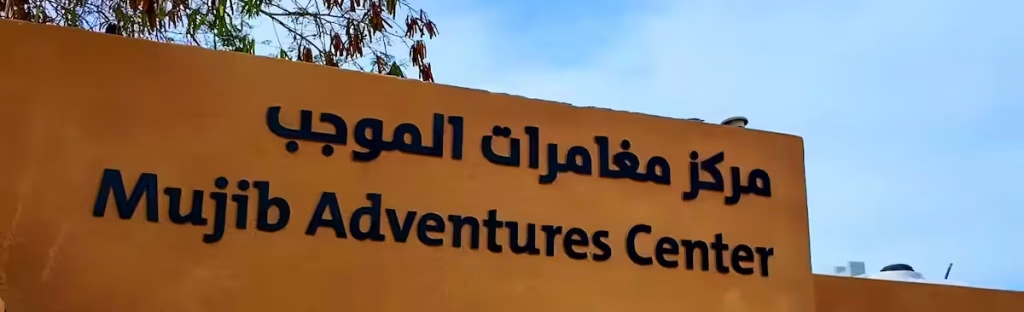
Instead, the Mujib adventure center sits directly at sea level, positioned right on the edge of the Dead Sea Highway (Route 65). It is a highly visible, well-signposted facility on the eastern coast of the sea, roughly halfway between the northern resort enclave and the industrial southern salt flats.
If you have hired a rental car for your Jordan road trip, navigating here is incredibly straightforward. The coastal highway is smooth, asphalted, and largely flat. If you are basing yourself at one of the luxury resorts near Suweimeh, it is a direct, scenic 20 to 30-minute drive south, with the shimmering, salty waters of the Dead Sea keeping you company on your right-hand side. Coming directly from the capital city of Amman, the drive takes anywhere from 1.5 to 2 hours, depending heavily on how long it takes you to break through the chaotic city traffic before hitting the descending desert highway.
Our Journey & Cost
Because Tania and I had finalized our one-way car rental agreement and dropped our vehicle off at the Avis Jordan depot near the Dead Sea the previous evening, we had to rely on local transport to reach the gorge on the morning of our hike. We opted to call an Uber straight from our hotel lobby.
Routing From Dead Sea Points | Approximate Distance | Travel Time | Estimated Costs (JOD) |
|---|---|---|---|
Dead Sea Resort Strip to Center | ~25 km | 20–30 mins | 8–10 JOD (via Uber or Local Taxi) |
Amman City Center to Center | ~90 km | 1.5–2 hours | 45–55 JOD (Private Transfer/Pre-arranged Taxi) |
Our Uber driver was incredibly accustomed to this specific run. He pulled right up to the gravel entrance gates without needing a glance at a GPS map and even offered a bit of casual local insight: “Water levels are perfect today, my friends. Not too rough, not too dry.” Hearing that from a local who watches the seasonal shifts of the coastal road was exactly the reassurance I needed before stepping into a rushing mountain river.
📱 Critical Signal Advisory: Mobile data connectivity along Route 65 can be highly erratic and drops out entirely once you step inside the deep sandstone gorges. Before you leave your hotel room, make sure to take offline screenshots of your transport bookings, driver contact numbers, and maps. Do not count on live loading when standing in the parking lot.
5. Where to Stay Near Wadi Mujib
There is no real operational reason to look for budget guesthouses or traditional hotels right next to the trailhead itself. The Wadi mujib dead sea coastline is highly compact, meaning the vast majority of international hikers choose to base themselves along the primary resort strip just a short drive north. This allows you to tackle the challenging water trail in the morning and return to full comfort by midday.
Accommodation Options
During our stopover, we checked into the Dead Sea Spa Hotel. Our primary reason for choosing it was pure practicality—it regularly offers some of the most competitive, reasonable rates on the coast while still providing clean rooms, reliable amenities, and essential direct access to a private beach area for that classic, buoyant salt float. It isn’t a ultra-luxurious five-star property, but it covers all the fundamentals perfectly.
If your travel budget has a bit more breathing room and you are looking for an elevated, resort-style experience after exhausting yourself inside the damp canyon in wadi mujib, you have a couple of stellar options nearby:
- Mövenpick Resort & Spa Dead Sea: Located roughly 20 kilometers north of the trail, this sprawling, village-style property is famous for its world-class hydrotherapy facilities and traditional stone architecture.
- Hilton Dead Sea Resort & Spa: Positioned about 30 minutes away from the adventure center, offering modern rooms, exceptional infinity pools, and direct access to well-maintained floating pontoons.
Hotel Selection | Proximity to Trailhead | Ideal Traveler Type |
|---|---|---|
Dead Sea Spa Hotel | ~25 km (North) | Budget-conscious, pure beach access |
Mövenpick Resort & Spa | ~20 km (North) | Premium comfort, extensive wellness spa |
Hilton Dead Sea Resort | ~30 km (North) | Contemporary luxury, infinity pool lovers |
From our personal experience, spending a single night along the Dead Sea coast is more than enough to satisfy your curiosity. You can arrive in the afternoon, complete the mandatory weightless float, watch the sun set directly behind the distant West Bank hills, get a solid night of rest, and head out completely refreshed for the early morning slot at the canyon.
6. The Hike Itself — What Actually Happens on the Siq Trail
This is the exact breakdown most nervous travelers search for, so let me walk you through the precise mechanics of how the independent Wadi Mujib Siq Trail unfolds once you pass the safety turnstiles.
The Start — Wading In
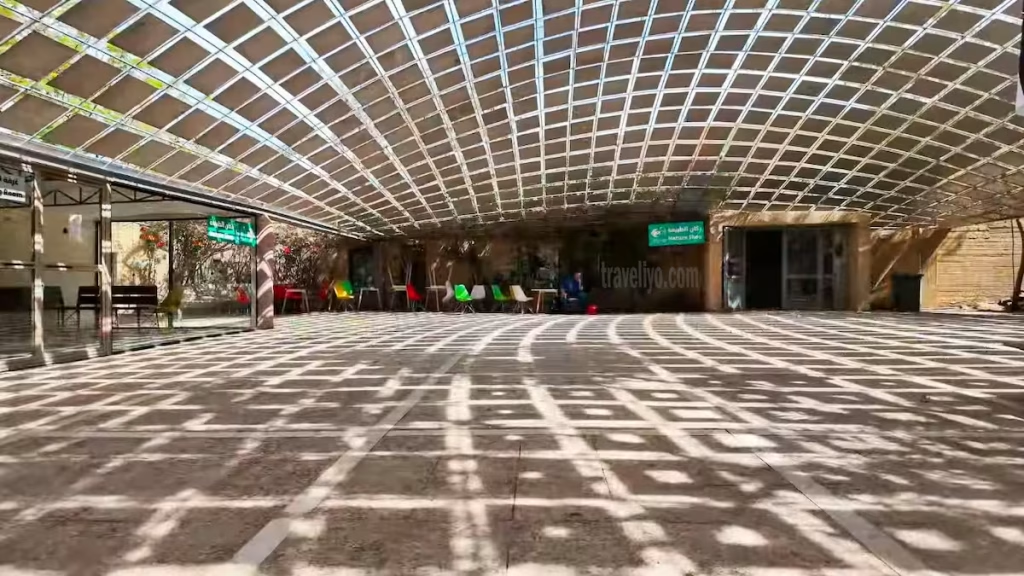
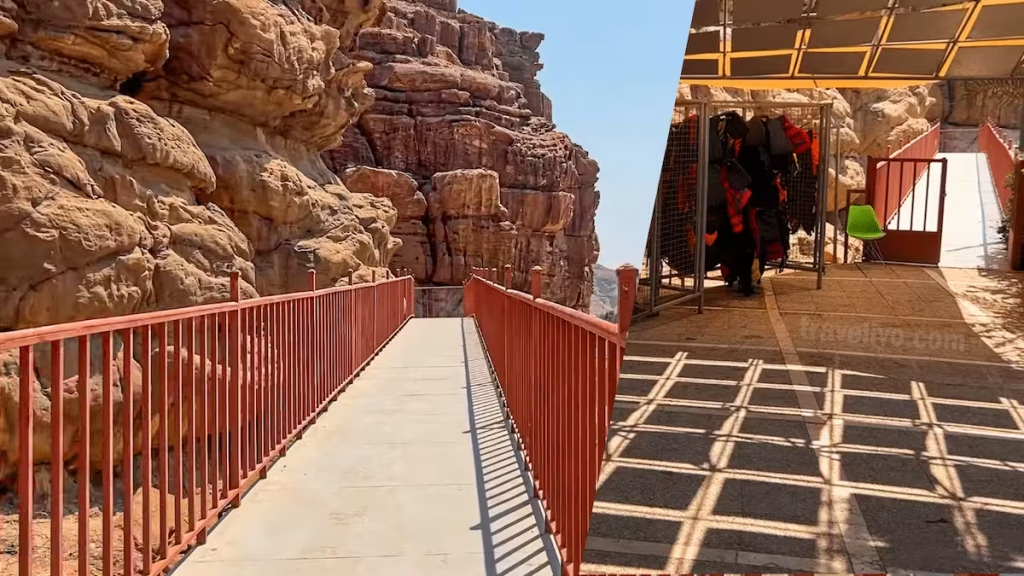
Once our life jackets were tightly buckled and we received a basic safety brief from the station staff, our small group walked down a flight of concrete stairs leading straight onto the rocky riverbed. There are no gentle viewing platforms or transition paths here; your feet are wet within three minutes of leaving the reception desk.
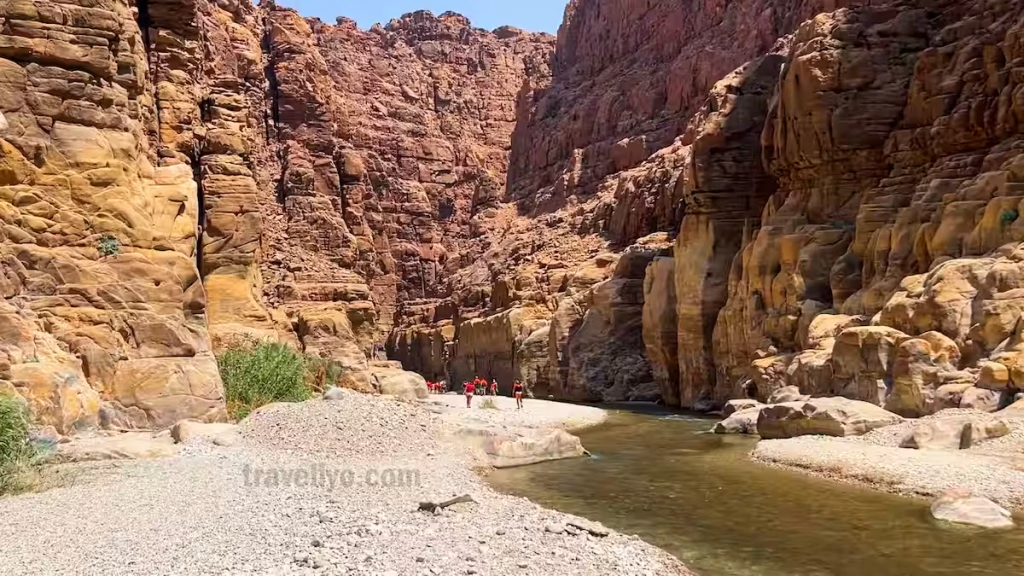
The initial section of the trek feels deceptive. The water is beautifully transparent, moving lazily around your ankles and knees as you navigate a relatively wide gravel basin. It feels like a standard, pleasant nature walk.
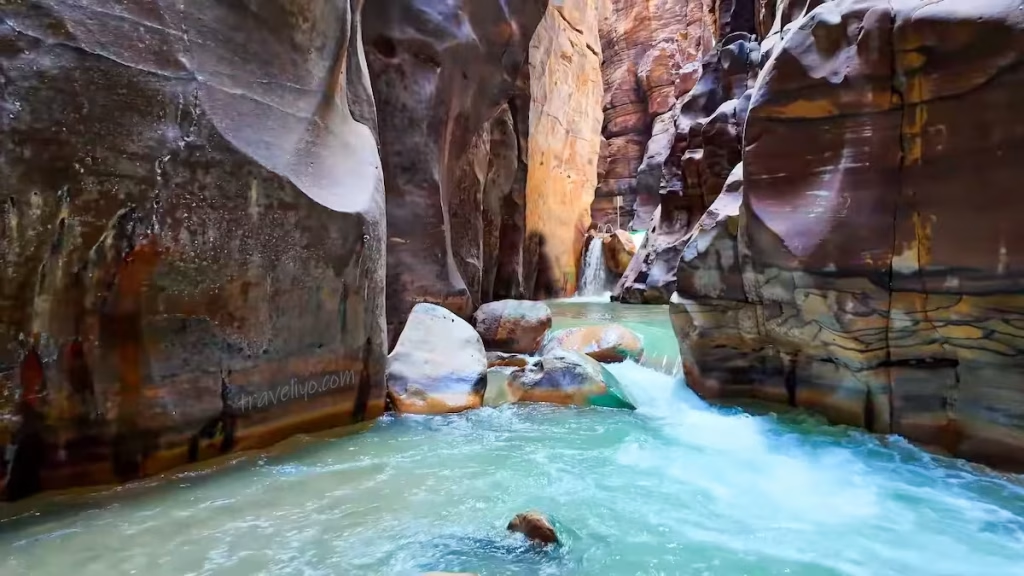
But don’t get comfortable. Within fifteen minutes, the massive vertical cliffs of the Wadi mujib canyon begin to compress tightly around you. The sky disappears into a narrow ribbon of light far above, and the riverbed drops away. Suddenly, you find yourself plunged into chest-deep water, leaning your weight forward to fight against a noticeably strengthening mountain current while reaching out to grip thick steel guiding ropes bolted directly into the ancient sandstone walls.
Tania, who has been an avid swimmer since childhood, managed this transition with absolute ease, gliding through the deep pools like it was a casual afternoon at a local pool. My entry was significantly less elegant. I misjudged the deep gap between two smooth, submerged boulders, lost my footing for a split second, and dipped beneath the rushing surface a bit longer than my dignity cared for.
As I popped back up, gasping and adjusting my life jacket, our guide looked back with a calm grin. “Happens to literally everyone, my friend,” he shouted over the noise. It didn’t make me look any more coordinated, but it certainly broke the tension.
The Narrow Sections
The middle section of the Wadi mujib gorge is where the true cinematic scale of the landscape reveals itself. In multiple stretches, the gap between the monumental, water-smoothed rock walls is barely wider than your outstretched arms. The natural acoustics are intense; the sound of the rushing river bounces violently off the rock faces, magnifying the roar of the water into a deep, heavy drone.
Tania and I stopped attempting to speak to one another through this stretch. It wasn’t because we were tired or frustrated; it was simply because the sheer, raw scale of the environment commands a certain level of silence. You find yourself focusing entirely on the placement of your feet, watching the dramatic patterns of light hitting the wet rock, and moving in sync with the pulse of the river.
The Waterfall — The Whole Point of the Trail
The absolute climax of the entire trek is a dramatic, hidden chamber where the canyon abruptly dead-ends into a powerful, churning four-meter waterfall. The spray from the falling water fills the air with a cool, heavy mist, creating an incredible, hidden oasis effect deep within the desert mountains.
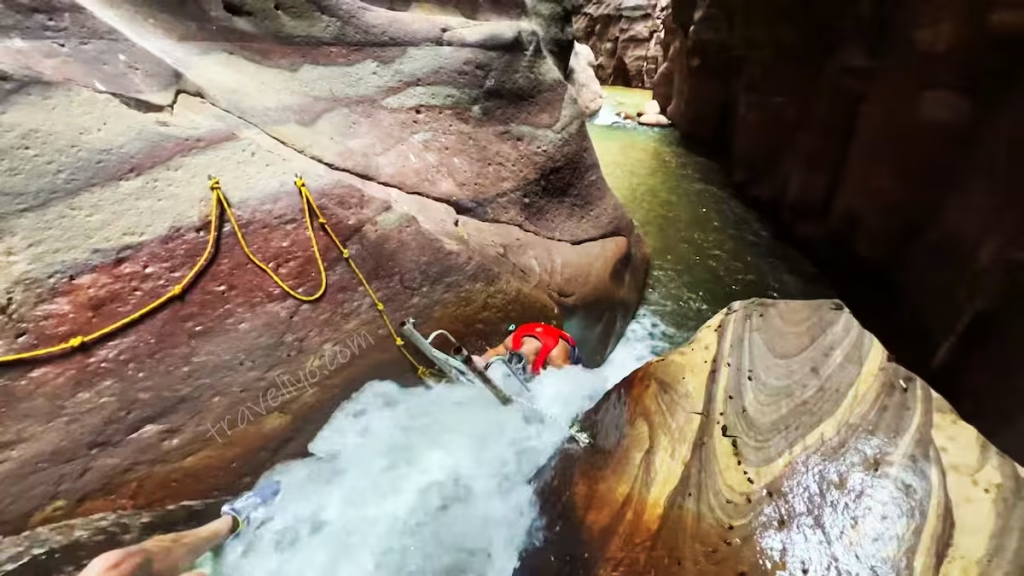
To reach the actual base of the falls, you have to navigate a series of slick boulders using a combination of heavy-duty knotted ropes and a metal ladder system anchored into the rock. Tania went up first without a single shred of hesitation, hauling herself over the wet ledge like a seasoned pro.
I took my time, carefully testing each handhold because the continuous spray makes the rock faces incredibly slick. The guide ended up giving me a helpful, firm tug by the strap of my life jacket to pull me over the final crest, murmuring something in rapid Arabic that I am reasonably certain was an affectionate joke about my scrambling style.
From the top ledge, the traditional way back down is taking a direct leap or a controlled rock slide into the deep plunge pool below. Most of the western backpackers in our group lined up for the jump. I opted for the slightly more controlled slide. Tania, completely loving the adrenaline rush, scrambled back up the rocks to take the high jump a second time just to prove a point.
The Return
Once you’ve had your fill of the waterfall pool, you turn around and head back along the exact same path. The return journey is a completely different experience—the powerful current that you spent the last two hours fighting against is now working directly in your favor, gently pushing you along the deep channels.
It is noticeably faster, requiring far less physical exertion. We arrived back at the concrete steps of the adventure center exactly two hours and forty-five minutes after our initial departure—slightly behind the standard schedule because we kept stopping to float on our backs and stare up at the dizzying canyon heights.
7. Food & Drink
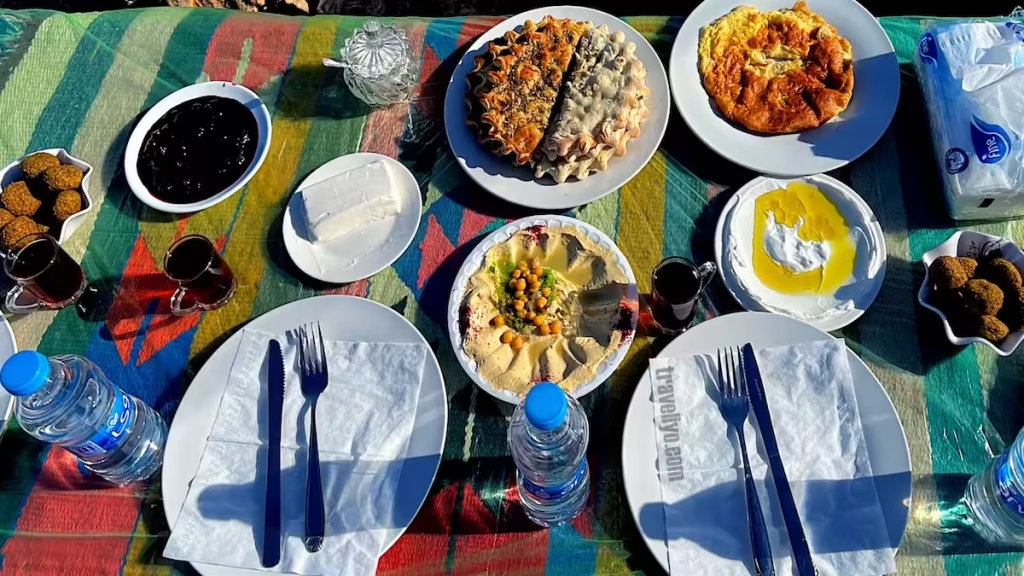
Once you climb out of the water and peel off your heavy life jacket, you will find a modest, shaded café terrace operated by the RSCN right at the main entrance building. The menu is basic—serving hot local coffee, refreshing mint tea, cold sodas, and a few packaged snacks—but after spending nearly three hours fully submerged in chilly mountain spring water, sitting in the warm desert breeze with a steaming cup of sweet mint tea feels absolutely incredible.
We chose not to eat a heavy meal at the center’s terrace. Most independent hiking groups wrap up their trek right around midday or early afternoon and make the quick drive back to their respective coastal resorts for a proper lunch. That was our exact strategy: we rode back to the Dead Sea Spa Hotel, enjoyed a hot shower, changed into completely dry clothing, and sat down for a proper, relaxing meal.
If you are visiting the canyon as part of a quick day trip from Amman or rolling straight through toward the historic town of Madaba, it is highly important to note that there are no major, full-service restaurants located directly at the trailhead. You should definitely eat a hearty breakfast before your scheduled arrival time or plan your main meal for further down the highway.
💧 Hydration Warning: Do not let the damp environment fool you. Even though you are spending hours wading through a cold mountain river, the intense physical exertion combined with the dry desert air outside means you will be incredibly dehydrated by the end of the trail. The river water is absolutely not safe for drinking. Make sure to keep a large, chilled bottle of mineral water waiting for you in your vehicle or purchase one at the reception desk the moment you exit the gates.
8. Traveliyo Insider Tips for the Siq Trail
These are the crucial, hard-learned details Tania and I genuinely wish we had known before stepping into the cold water of the Wadi Mujib Siq Trail.
✅ The Ultimate Practical Checklist
- Book Well in Advance: Daily access slots are strictly capped by the RSCN to actively protect the delicate canyon ecosystem. Do not assume you can just walk up to the Mujib adventure center and join a group, especially during the peak summer months.
- Wear Closed-Toe Water Shoes: Standard flip-flops or open sandals will be ripped off your feet by the aggressive river current. We watched a hiker lose a flip-flop within the first ten minutes of the trek. Proper grip water shoes or a pair of old, sturdy trainers you don’t mind soaking are absolutely essential.
- Invest in a Proper Dry Bag: Do not rely on cheap, thin waterproof phone pouches. A plastic sleeve alone will not survive full, violent submersion if you happen to slip into a deep pool (see my embarrassing rock incident above). A heavy-duty roll-top dry bag, properly sealed so that it traps air and floats, is your safest bet.
- Swimming Skills Are Optional, But Comfort Helps: High-buoyancy life jackets are 100% mandatory and provided on-site. Even if you cannot swim a single stroke, the jacket will keep you safe. However, if moving water genuinely triggers your anxiety, quietly mention it to your guide beforehand—they are incredibly perceptive and will adjust the group’s pacing for you.
- Go Early to Beat the Crowds: The 8:00 AM and 9:00 AM reservation slots are noticeably quieter and more atmospheric than the chaotic midday batches.
- Leave Your Valuables Behind: Wallets, expensive sunglasses, and loose jewelry have a habit of disappearing forever into the churning mountain currents. Leave anything you cannot afford to lose locked safely in your hotel room.
9. Traveliyo Recommendations: Gear and Sights
The Essential Packing List
- Water shoes or old trainers (Absolutely non-negotiable).
- A high-quality 10L to 20L dry bag (For your smartphone, car keys, and physical cash).
- Quick-dry athletic clothing (Avoid heavy cotton or denim; you will be fully submerged repeatedly).
- A large towel and a complete change of dry clothes (To keep in your car or at the reception lockers for afterward).
- Waterproof Sunscreen (Apply it heavily before arriving, as the harsh Dead Sea sun will hit you before and after entering the gorge).
Nearby Sights Worth Combining
If you still have energy to burn after the hike, a couple of highly rewarding nearby stops fit perfectly into the same day’s itinerary.
- Lot’s Cave (Sanctuary of Lot): A quiet, historically fascinating Byzantine-era pilgrimage site tied to biblical accounts. It is located just a short, scenic drive south along the Dead Sea Highway. It remains relatively uncrowded and offers incredible views.
- Dead Sea Panoramic Complex: Situated on a cliffside north of the adventure center, this facility offers dramatic, sweeping elevated views over the entire dead sea basin, alongside a beautifully curated geological museum.
We honestly did not have the time to explore either of these spots ourselves—the sheer physical exertion of the gorge hike followed by our long drive up toward the mountains of Madaba consumed our entire day—but they are highly realistic additions if you are staying on the coast for multiple nights.
10. Our Travel Costs & Budget Notes
Exploring the Wadi mujib canyon is not a free experience, but considering the high level of safety management and raw adventure it delivers, it is exceptionally well-priced. There are absolutely no hidden tourist traps or surprise fees once you arrive.
Breakdown of Expenses
Expense Category | Estimated Cost (Per Person) | Practical Notes |
|---|---|---|
Siq Trail Entry Fee | ~21 JOD ($30 USD) | Must be booked and paid in advance via RSCN |
Secure Locker Rental | ~1–2 JOD | Highly recommended for storing dry clothes |
Uber (Hotel to Center) | ~4–5 JOD (Split) | One-way trip covering roughly 25 km |
Post-Hike Coffee/Tea | ~1 JOD | Served at the onsite RSCN cafe terrace |
Dry Bag Rental | ~2–3 JOD | Available at the desk if you forgot to buy one |
The Bottom Line: You should budget roughly 25 to 30 JOD per person for the entire morning, including your basic transport and a hot drink. Compared to the steep entry fees of other global natural wonders, this three-hour guided adrenaline rush is solid, undeniable value.
11. Suggested Itinerary — Fitting the Siq Trail Into Your Day
If you are basing yourself along the Dead Sea resorts and planning to drive north into the historical highlands afterward, here is exactly how our timeline unfolded.
Time | Activity / Milestone |
|---|---|
08:40 AM | Arrive early at the Mujib adventure center for check-in |
09:00 AM | Begin the guided Siq Trail ascent |
12:00 PM | Complete the hike, dry off, and return to the coastal hotel |
01:00 PM | Hot shower, pack the bags, and grab a light lunch |
02:00 PM | Depart via Uber, heading up into the steep eastern mountains |
02:45 PM | Arrive for a brief cultural stop in the ancient city of Madaba |
04:00 PM | Drive up to Mount Nebo for panoramic valley views |
06:00 PM | Arrive safely in the capital city of Amman for the evening |
Travel Tip: This pace is completely achievable, but it is not a slow, relaxing day. The physical demands of the morning water hike will heavily drain your energy reserves. By the time Tania and I reached the mosaics of Madaba, we were certainly feeling the burn in our legs.
12. Nearby Places You Can Visit
If you want to expand your Jordan road trip beyond the immediate coastline, these incredible locations are just a short drive away:
- Hammamat Ma’in: A stunning, naturally heated cluster of mineral hot springs and thermal waterfalls located about 40 km east. It offers a totally opposite experience to Wadi Mujib—steaming hot thermal waters instead of freezing mountain streams.
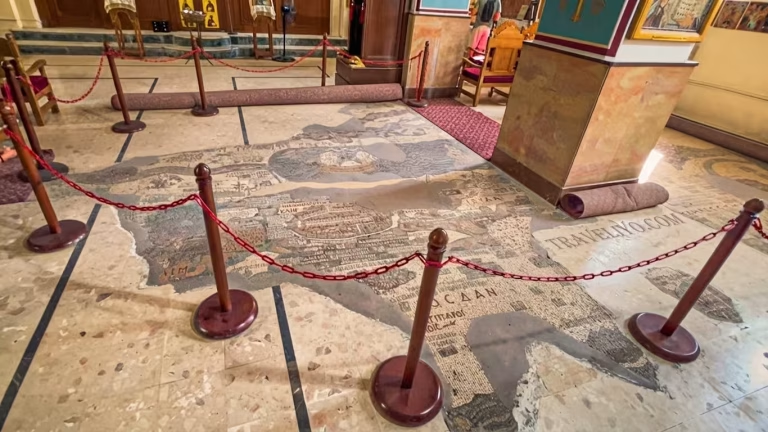
- Madaba: Known as the “City of Mosaics,” located roughly an hour north up the winding mountain roads. We stopped here specifically to witness the legendary 6th-century Byzantine mosaic map of the Holy Land inside St. George’s Church.
- Mount Nebo: Located a mere 10 minutes outside of Madaba. This was our ultimate destination for the late afternoon, offering sweeping, biblical-scale views across the Jordan Valley.
13. FAQs About the Wadi Mujib Siq Trail
Q1: Do I need to know how to swim to hike the Wadi Mujib Siq Trail?
No, you do not. High-quality RSCN life jackets are entirely mandatory. While you do not need to be a strong swimmer, a general comfort level with being in deep, moving water makes the entire physical experience much more enjoyable.
Q2: How long does the full Siq Trail take?
Most groups complete the round trip in about 2 to 3 hours, depending on the speed of the hikers and the depth of the water levels on that specific day.
Q3: What’s the major difference between the Wadi Mujib Viewpoint and the Siq Trail?
The famous viewpoint is a completely free, dry roadside stop located high up on the winding Kings Highway (Route 35) where you simply look down. The actual Siq Trail is the intense, wet, guided adventure through the bottom of the gorge, starting exclusively from the Mujib adventure center on Route 65.
Q4: Can I safely bring my smartphone or digital camera on the hike?
Only if it is sealed inside a proper, roll-top dry bag. Standard, cheap waterproof phone cases are highly unreliable against the aggressive full submersion you will experience during the waterfall climb.
Q5: Is the trail open to visitors all year round?
No. It operates strictly from April through October. The authorities lock the gates during the winter months due to the extreme, fatal risk of flash floods roaring down from the highland rains.
14. Conclusion
By early afternoon, we were back at the hotel room, sporting heavily wrinkled fingers and exhausted muscles, devouring a late lunch we had absolutely earned.
Of all the incredible things we experienced along the Kings Highway and the salty stretches of this journey, this deep gorge trail is the one that surprised us the most. Ancient castles, vast deserts, and mountain viewpoints—however impressive—are simply things you look at. Wadi mujib, on the other hand, is something you actively move through. It requires you to wade, scramble, jump, and occasionally lose your footing in front of total strangers who are too busy surviving their own trek to judge you. It demands significantly more physical and mental engagement from you than most of Jordan’s classic sights do, but it gives back the ultimate adrenaline high in return.
By two o’clock, we had completely dried off, packed our gear, and called another Uber for the long climb north. Madaba came first—a breathless, quick stop to admire the intricate mosaic maps—and then onward to Mount Nebo, where the road finally peaked high enough to reveal the entire Jordan Valley stretching out into the hazy distance below us.
But that legendary view deserves its own telling. Curious what Mount Nebo actually looks like, and whether the famous “view of the Promised Land” actually lives up to the historical hype? Our next post covers exactly that.
📋 Explore Our Complete Jordan Travel Series:
Follow our entire Jordanian adventure step-by-step through our comprehensive Traveliyo guides:
- Part 01: Exploring Amman – The Capital City
- Part 02: The Ancient Ruins of Jerash
- Part 03: Floating in the Dead Sea
- Part 04: The Magic of Petra
- Part 05: A Night in the Wadi Rum Desert
- Part 06: Relaxing in Aqaba
- Part 07: Exploring Shobak Castle
- Part 08: Exploring the Dana Biosphere Reserve
- part 09: Discovering Al-Karak Castle
- part 10: Wadi Mujib Viewpoint
- Part 11: Wadi Mujib Canyon (You are here!)
- Part 12: Mount Nebo – the View Moses Saw (Next Read 👉)
- Part 13: Madaba Jordan – The Mosaic City’s Full Story
For more historical background, You can read the detailed article on Wikipedia
Did this guide help you? Have you also visited Wadi Mujib Jordan? Share your experience in the comments below – it will be very valuable for other travelers.