Secrets of Karak Castle in Jordan: A Dark Crusader Fort Hidden in Time (Our Honest Review) (2026) | Jordan Travel Series – 9 of 13

By the time we reached Al-Karak, it was already past noon.
We had left Aqaba early that morning—rental car loaded, coffee in hand, the legendary King’s Highway stretching out ahead of us. Shobak Castle had been our first stop, followed by the Dana Biosphere Reserve. Both were worth every minute. But as we wound our way north through the dry, sun-baked Jordanian highlands, Tania kept checking her phone.
“Lakshitha, how far is the castle from here?”
“About 45 minutes,” I replied.
“You said that an hour ago.”
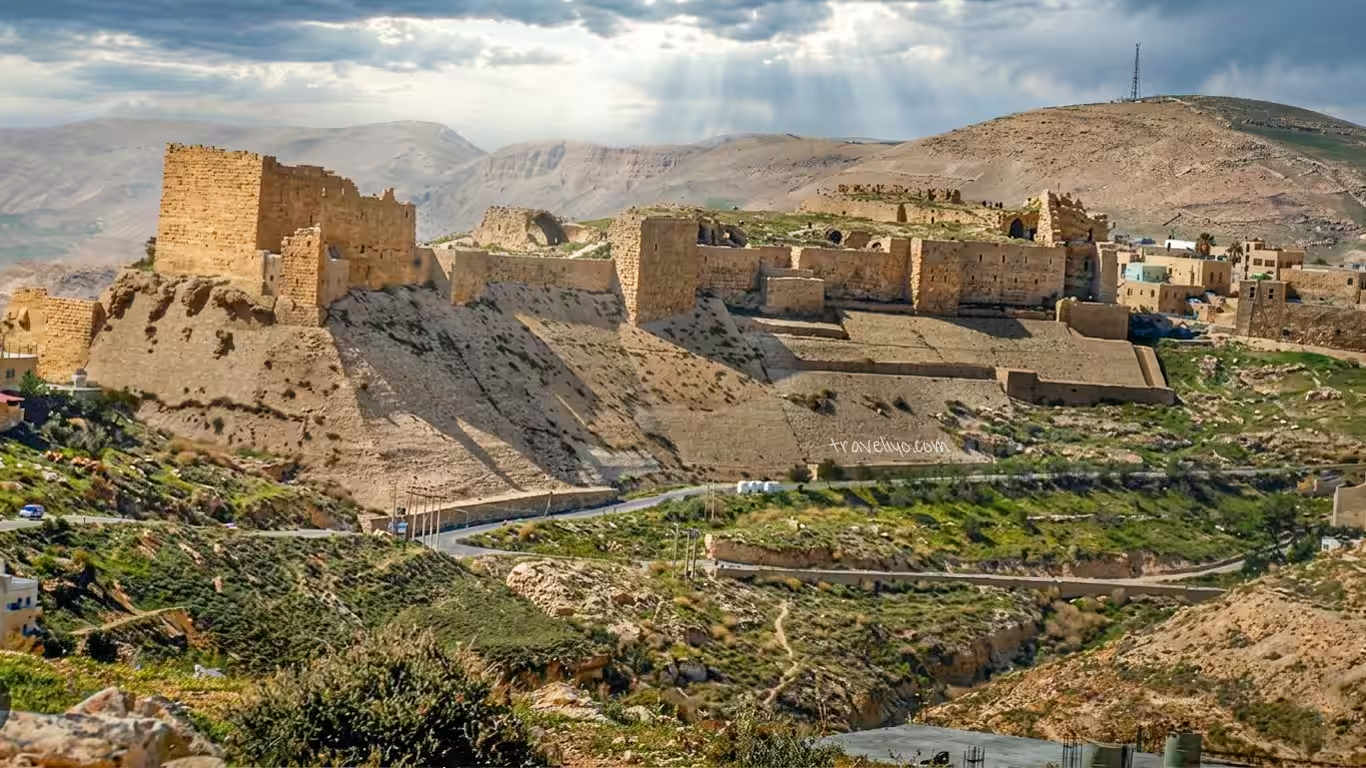
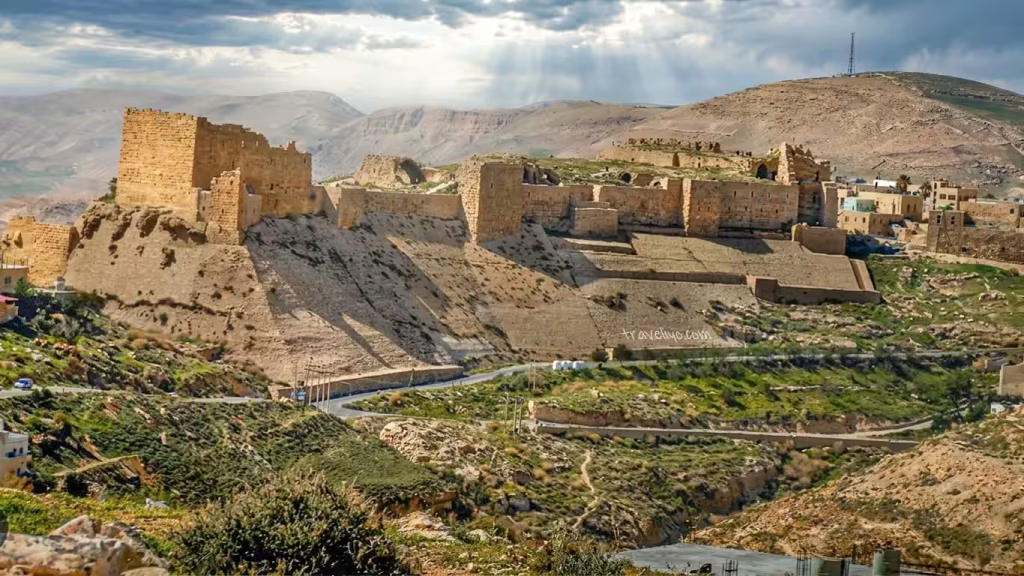
She wasn’t wrong. The King’s Highway has a funny way of stretching time. The road curves, climbs, and drops into sweeping valleys, and before you know it, you’ve pulled over three times just to stare at the landscape. But when the city of Al-Karak finally appeared on the hilltop—and behind its modern rooftops, the unmistakable dark stone walls of the fortress—the long drive felt completely worth it.
The Karak Castle in Jordan isn’t just another quick stop on a road trip itinerary. It is one of the most significant Crusader fortresses in the entire Middle East, and standing inside its shadowy halls feels nothing like reading about it in a guidebook. This is exactly what we found when we finally got there—after a bit of minor parking chaos and a small debate about which entrance was actually the main entrance.
If you are just joining our Jordanian road trip series, be sure to check out where it all began in [Part 1: Exploring Amman]
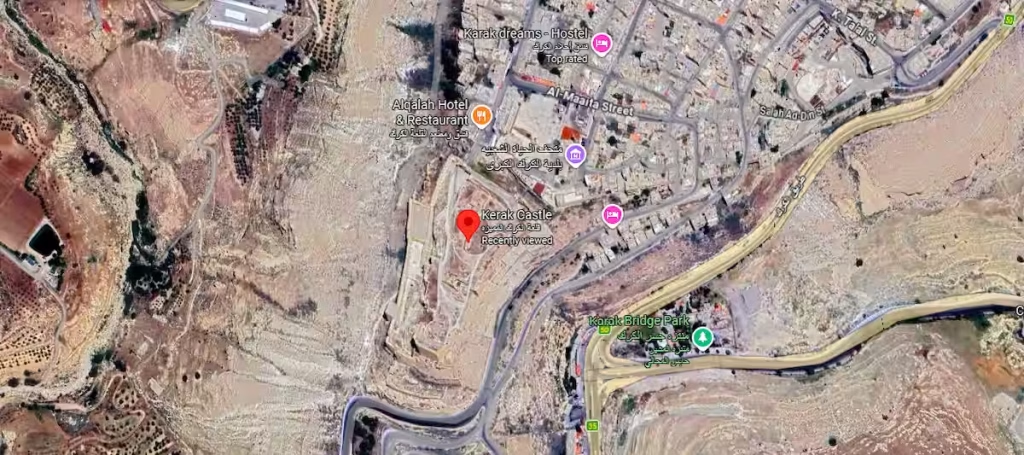
Traveliyo Tip: If you’re driving the King’s Highway from Aqaba or Petra, Al-Karak fits perfectly as a half-day stop. You don’t necessarily need to stay overnight unless you prefer a very slow pace.
1. Destination Overview: What Is Al-Karak Castle
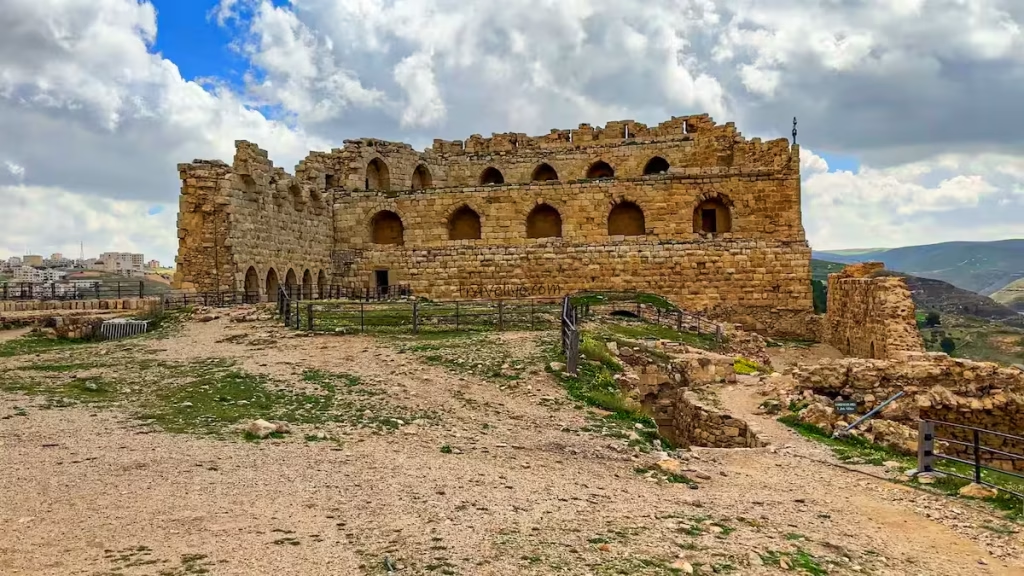
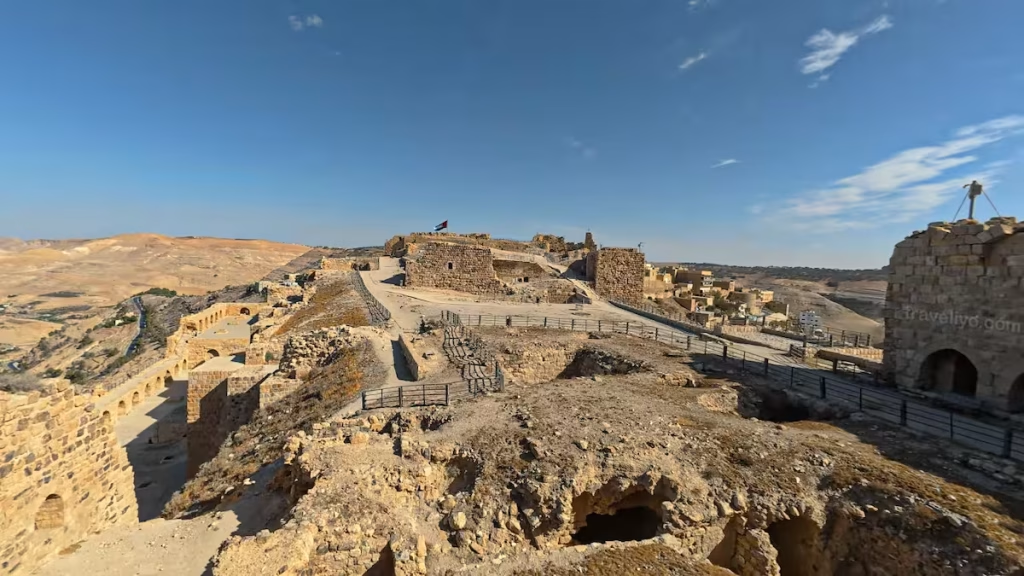
The Al Karak Castle in Jordan sits on a rocky plateau at roughly 900 meters above sea level, offering sweeping views of the Dead Sea valley to the west and the rolling Jordanian highlands to the east. Over the centuries, the modern city of Al-Karak has grown entirely around it. This means the castle isn’t isolated in some dramatic, empty desert setting; it is embedded right inside a living, breathing town. Honestly, that contrast is one of the things that makes it so fascinating.
Construction began around 1142 CE under Pagan the Butler, a Crusader lord who quickly recognized the immense strategic value of this hilltop. The fortress sat squarely at the crossroads of ancient trade and military routes. For the Crusaders, it was a vital asset: whoever controlled Karak controlled the movement of caravans between Egypt, Arabia, and the Levant.
However, the most infamous lord of the castle was Reynald de Chatillon. His relentless and brutal attacks on Muslim caravans—including historical accounts of an audacious attempt to raid Mecca itself—made him one of Saladin’s most wanted enemies. Saladin besieged the castle multiple times before finally capturing it in 1188 CE, just a year after his decisive victory at the Battle of Hattin.
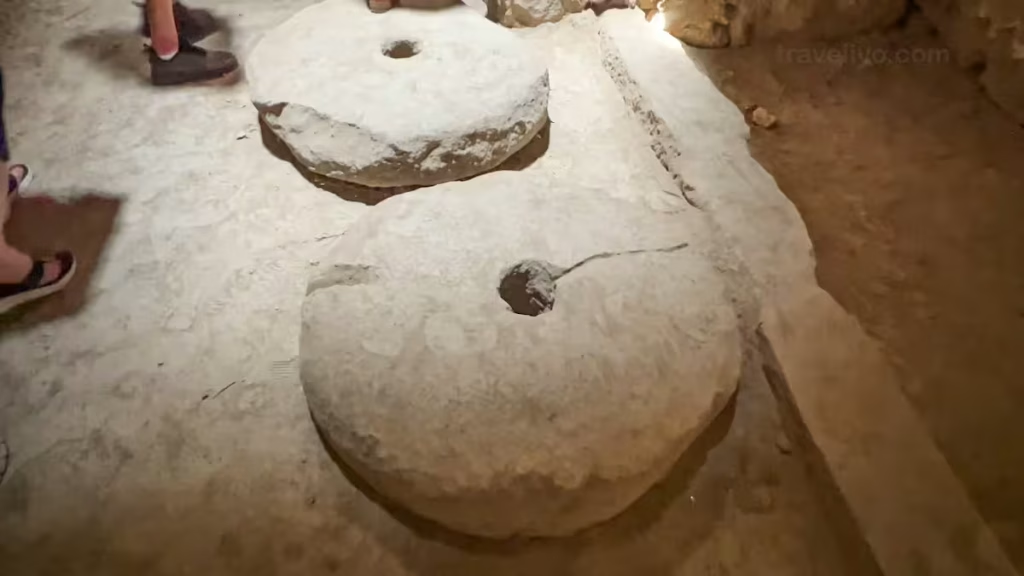
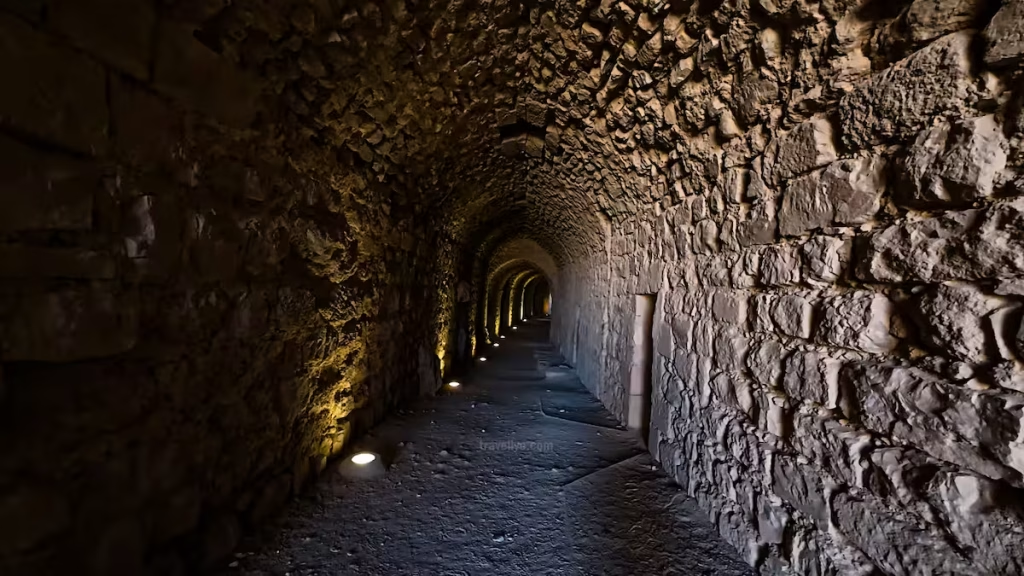
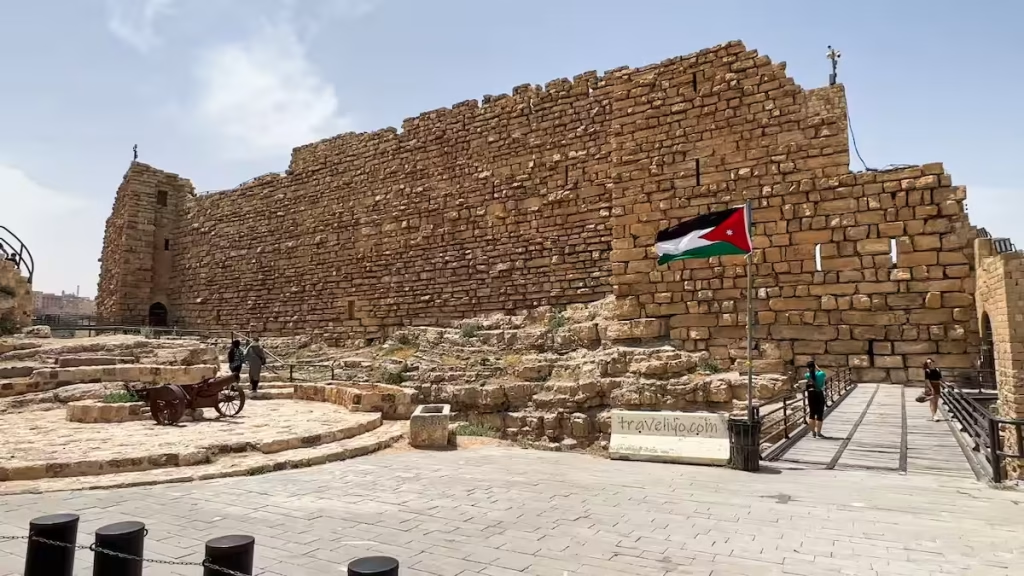
What you see today is a massive, multi-layered complex featuring a mix of Crusader, Ayyubid, and Mamluk architecture. You’ll find underground galleries that plunge deep into the bedrock, open-air courtyards, collapsed watchtowers, and long stone corridors that feel genuinely ancient in a way photographs simply cannot capture.
Preservation Note: Al-Karak is a protected archaeological site managed by the Jordan Department of Antiquities. Please respect the history?do not remove stones, engrave surfaces, or stray beyond marked safety zones. The site is a beautiful blend of partial restoration and raw ruin; both deserve our respect.
2. Why We Chose to Visit Al-Karak Castle
If I’m being honest, Al-Karak wasn’t the most talked-about stop on our Jordan itinerary.
Petra dominates the headlines. Wadi Rum gets all the viral Instagram posts. Even the Dead Sea has a clear, one-sentence “reason to visit.” But Al-Karak was on my list for a much quieter reason.
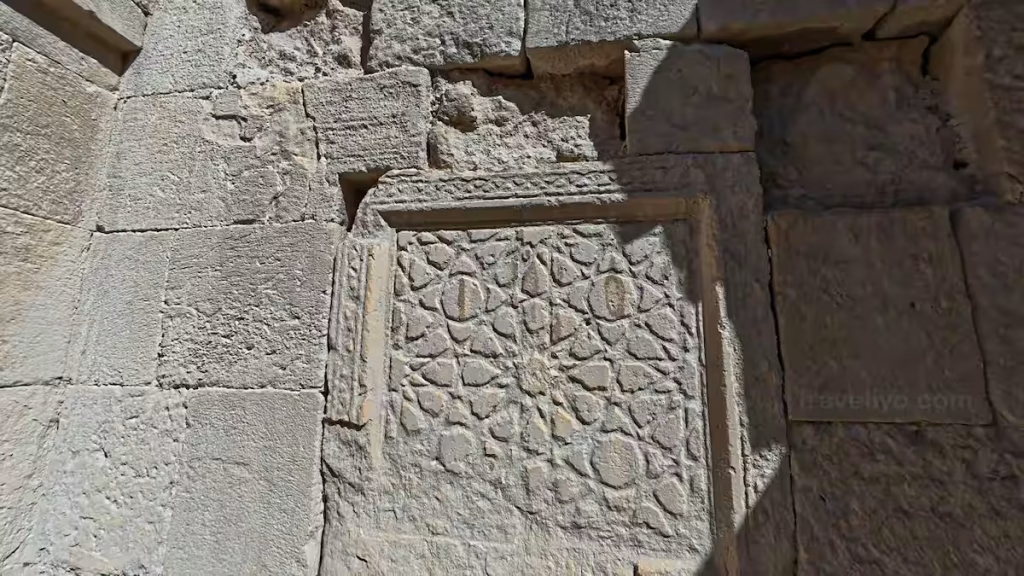
I’ve always been drawn to places where history didn’t just stay politely in the past. A Karak Jordan castle visit offers exactly that. This was a rugged Crusader stronghold that the legendary Saladin himself couldn’t breach for years. The stone walls we were about to walk through had witnessed brutal sieges, betrayals, and political maneuvering that literally shaped the medieval Middle East. You just can’t replicate that heavy atmosphere in a modern museum.
Tania’s reason for visiting, however, was much simpler.
“Underground tunnels,” she said, when I asked what she was looking forward to the most. “I want to go into the underground tunnels.”
So, our motivations were set. We just needed to get inside.
3. Best Time to Visit Al-Karak Castle
The Ideal Season
When planning your visit to the Karak Castle in Jordan, aim for the shoulder seasons: March to May or September to November.
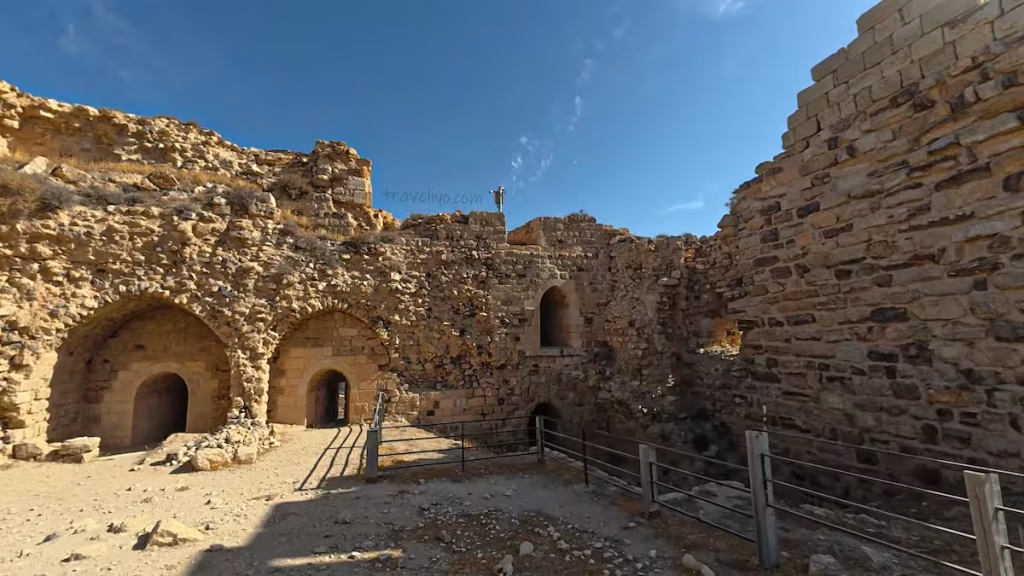
During these months, temperatures in the Al-Karak highlands sit comfortably between 15°C and 25°C (59°F – 77°F). It’s cool enough to walk the exposed upper grounds without sweating through your shirt, yet warm enough that the deep stone tunnels don’t feel like a refrigerator. Spring is particularly stunning; the surrounding hills turn surprisingly green, the air is crisp, and the crowds are entirely manageable. We visited during spring, and the morning light made the dark basalt walls look almost warm and inviting.
The “Too Hot” Season (Summer)
Visiting between June and August is definitely possible, but prepare to sweat. Because Al-Karak sits at a higher elevation, it’s slightly cooler than the scorching Dead Sea valley, but midday temperatures can still easily push past 35°C (95°F). During summer, the underground tunnels become your best friend simply because they offer natural air conditioning. However, the open courtyards and rooftop viewpoints will drain your energy quickly.
If a summer visit is unavoidable, arrive right when the gates open at 8:00 AM and plan to finish your tour by noon.
Winter Note: December through February can be quite chilly, and occasional rain is common. The castle remains open and is practically deserted, making it great for photography, but you will definitely need a warm jacket!
4. How to Reach Al-Karak Castle
Transport Options: Why the King’s Highway Makes Sense
Al-Karak is not difficult to reach, but how you choose to get there significantly changes your entire experience.
The most rewarding option—and exactly the route we chose—is driving the legendary King’s Highway from either Aqaba in the south or Amman in the north. This ancient, winding route follows the highlands of western Jordan and connects a brilliant string of historical sites: Shobak Castle, Dana Biosphere Reserve, Karak, and further north, Wadi Mujib and Madaba. If you only have time to drive one scenic road in Jordan, make it this one.
Public transport to Al-Karak does exist. Minibuses run from Amman’s South Bus Station (Wehdat). However, schedules are famously irregular, and trying to connect onward to other King’s Highway sites without your own vehicle becomes genuinely frustrating. For a flexible, day-trip-focused itinerary, renting a car is absolutely the most practical choice.
We picked up our rental car through Avis Jordan in Aqaba. Several major international companies operate there (including Hertz and Europcar), along with reliable local agencies.
Pro tip: Always book well in advance if you are traveling during the spring or autumn peak seasons!
Our Journey & Approximate Drive Times
Route | Distance | Approx. Drive Time |
|---|---|---|
Aqaba → Al-Karak (via King’s Highway) | ~200 km | 3.5 – 4 hours (with stops) |
Amman → Al-Karak | ~140 km | 1.5 – 2 hours |
Petra → Al-Karak | ~120 km | 2 – 2.5 hours |
We rolled out of Aqaba just after 7:00 AM. After exploring Shobak Castle and taking a quick coffee break at the Dana viewpoint, we pulled into Al-Karak around 1:00 PM. The drive itself added about 30 minutes of “unplanned” time—mostly because the King’s Highway kept offering sweeping valley viewpoints that were simply impossible to drive past without stopping for photos.
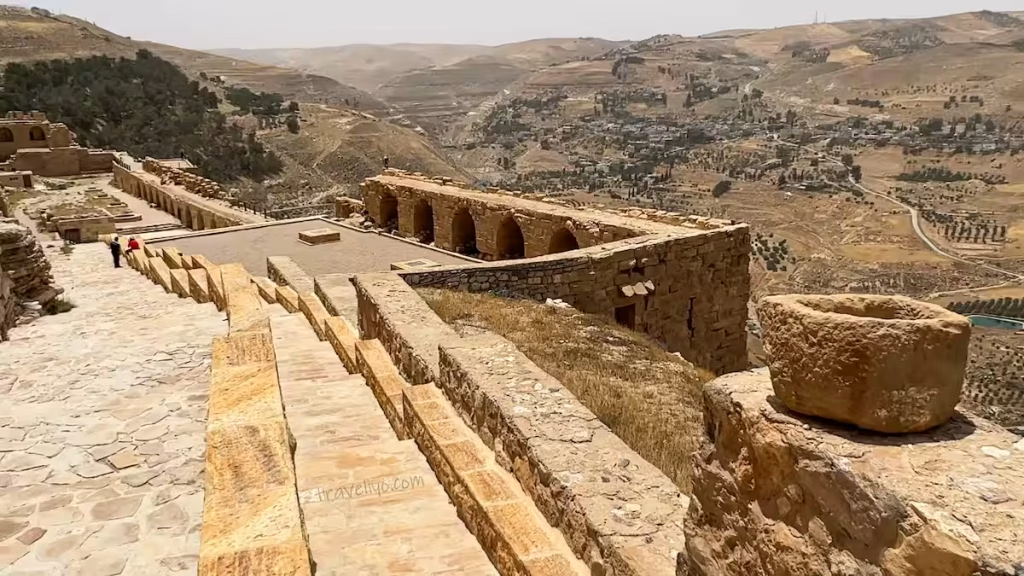
Parking near the Al Karak Castle in Jordan is relatively easy and available along the streets just below the main entrance. It’s free, but be warned: the roads inside the old city are narrow and switch to one-way traffic in places. Take it slow and strictly follow the brown tourist signage once you enter the town.
Fuel Note: Fill up your tank in Aqaba or Ma’an before committing to the King’s Highway. Gas stations exist along the route, but they are spaced quite far apart. Never assume the next small town will have a working pump!
5. Where to Stay Near Al-Karak Castle
Most travelers visiting the Karak Castle in Jordan don’t actually spend the night in the city—and honestly, that’s completely normal for a King’s Highway road trip. Al-Karak functions perfectly as a midday exploration stop between Aqaba and the Dead Sea or Amman.
That said, if you prefer a much slower pace or want to experience the quiet, local vibe of the old city in the evening, there are a few options.
Accommodation Breakdown
Location | Best For | Typical Options |
|---|---|---|
Al-Karak City | Budget travelers & maximum convenience | Towers Castle Hotel (Basic, clean, right next to the castle) |
Dead Sea Resort Area (~90 km north) | Luxury, comfort & a Dead Sea float the next morning | International resorts (Marriott, Kempinski, Hilton) |
Amman City (~140 km north) | Using a single base to explore central Jordan | Wide range from boutique hostels to 5-star hotels |
We didn’t stay in Al-Karak ourselves. After finishing up at the castle, we jumped back in the car and continued north toward Wadi Mujib. But if your itinerary isn’t heavily rushed, spending an evening mingling with locals in the old city has its own quiet, authentic appeal.
6. My Favorite Things to Do Inside the Castle
The Underground Labyrinth
This is the part Tania had been eagerly waiting for since we left Dana.
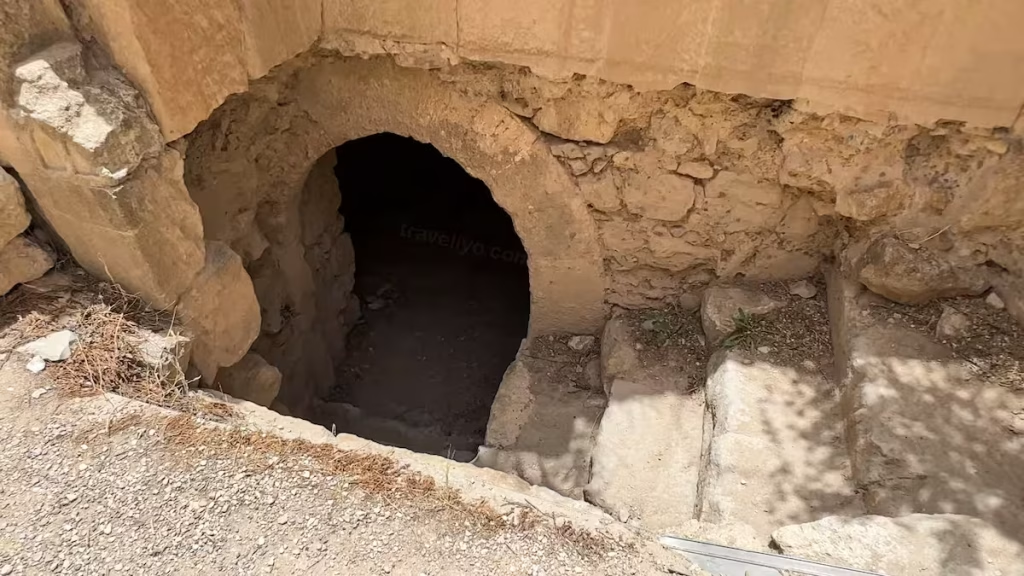
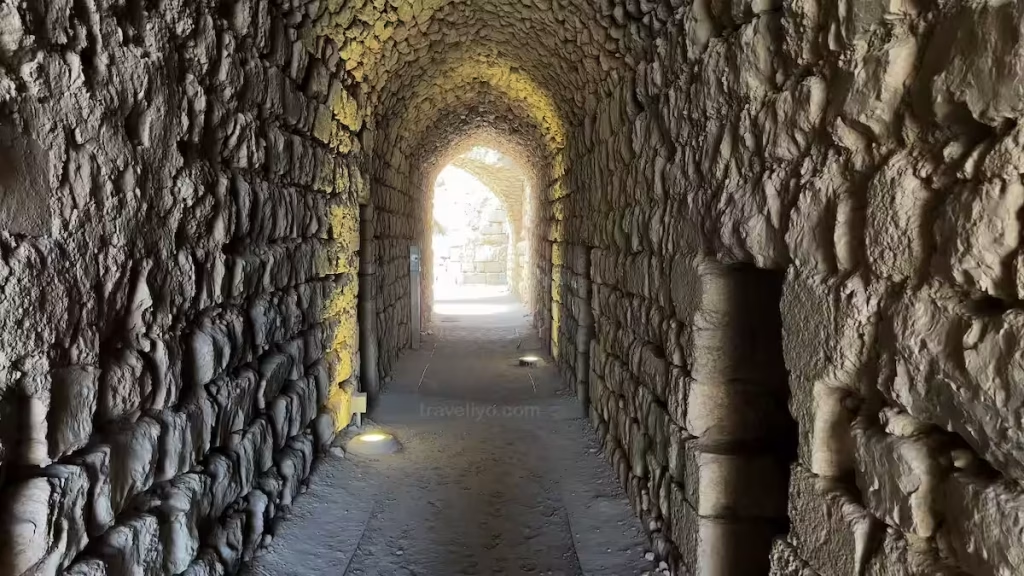
The underground galleries at the Karak Jordan castle stretch deep beneath the main fortress structure—long, echoing stone corridors carved directly into the rock, massive vaulted ceilings, and dark chambers that branch off in completely unexpected directions. Some sections are faintly lit with basic yellow lighting. Many others are completely pitch black.
We brought a small flashlight, which immediately turned out to be our best decision of the day.
About ten minutes into the tunnels, Tania abruptly stopped walking.
“Lakshitha. Where is the exit?”
“It’s… back that way,” I said, pointing vaguely behind us.
“Which way is back that way?”
She had a point. We had taken two lefts and a right, and the sliver of daylight from the entrance was long gone. It wasn’t actually dangerous—the tunnels aren’t a true maze, and we could occasionally hear other visitors echoing in the distance—but it was disorienting enough that we had to spend a few minutes actively retracing our steps to find the main corridor again.
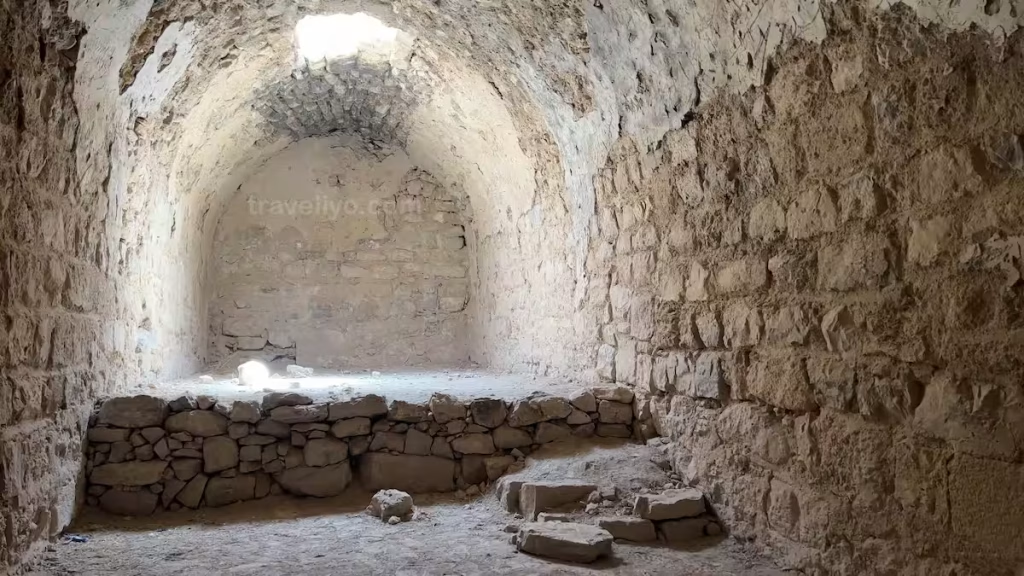
It is a genuinely immersive experience in a way that a well-lit, heavily roped-off European heritage site simply isn’t. Historically, these tunnels were used for food storage, stabling war horses, and sheltering soldiers during brutal sieges. Walking through them, guided only by a flashlight beam, gives you a visceral, concrete sense of how people actually survived inside this fortress—not just how they fought from it.
(I can’t stress this enough: Bring a flashlight. It is not optional!)
The View from the Top
After navigating the damp, dark tunnels, emerging onto the rooftop sections of the castle is a stunning contrast. You are suddenly hit with open sky, fierce winds, and the full, massive scale of the surrounding landscape in every direction.
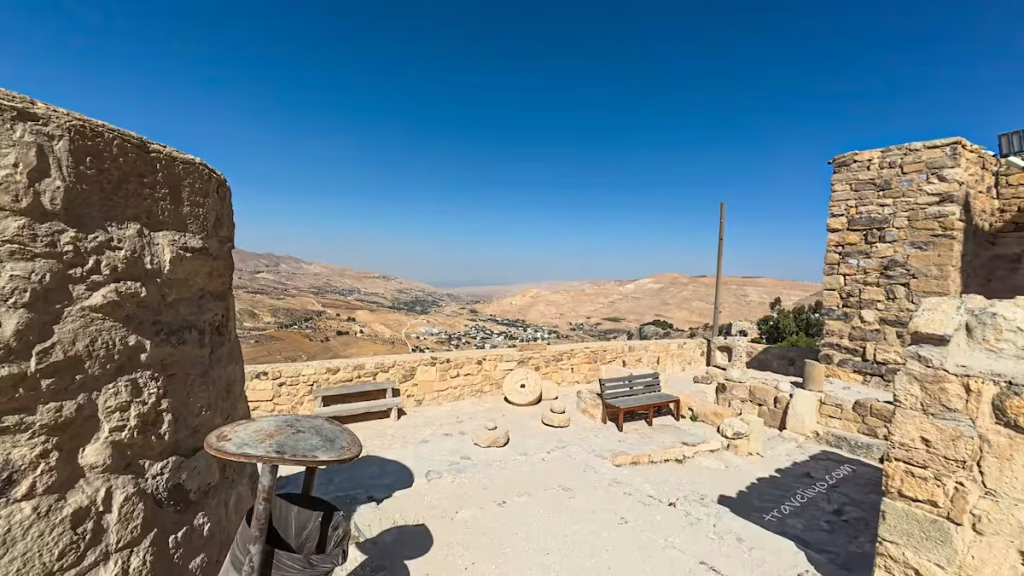
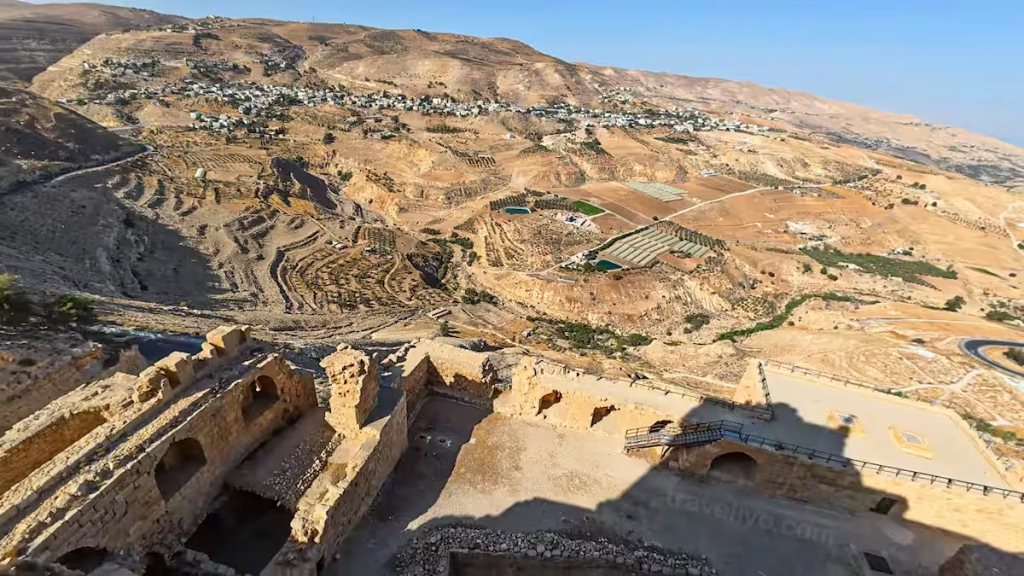
To the west, on a clear day, you can see all the way to the Dead Sea and the faint outline of the hills in the West Bank. To the east, the dry Jordanian plateau rolls out as far as the eye can see. The modern, bustling city of Al-Karak spreads out directly below the imposing walls on three sides.
Standing up there is a stark reminder of why Pagan the Butler chose this exact location back in 1142. Anyone sitting on these walls in the 12th century could see an enemy army approaching from miles away.
Myth vs. Reality
- Myth: Al-Karak is just a small, quick ruined fort—you only need 30 minutes.
- Reality: The Karak Castle in Jordan is one of the largest Crusader complexes in the Middle East. Navigating the underground sections alone will take you 45 minutes if you do it properly. Budget a minimum of 1.5 to 2 hours, and even more if you are a history buff who wants to read every information board.
7. Food & Drink Around the Fortress
Al-Karak city is a real, working Jordanian town—not a manufactured tourist village—which means the food here is highly authentic, local, and incredibly reasonably priced.
Just outside the main entrance of the Karak Castle in Jordan, you’ll find a handful of small kiosks and cafes where you can quickly grab cold water, soft drinks, and basic snacks. For a proper, sit-down meal, the streets surrounding the main castle square feature several local restaurants serving standard Jordanian staples like falafel wraps, fresh hummus, grilled chicken, and warm, freshly baked bread.
Tania and I ate at a small, unnamed local spot just a two-minute walk from the main entrance. It was exactly the kind of place we love—plastic chairs, a handwritten menu on a small chalkboard, and food that arrived piping hot and tasted incredible after a long morning of driving and exploring tunnels. A massive lunch for the two of us, including drinks, came out to around 4 to 5 JOD (roughly $6-$7 USD) in total.
One Practical Note: The interior of the castle itself has absolutely no cafes or water stalls. Make sure to buy a large bottle of water before you step through the gate, especially during the warmer summer months. There is a convenient little shop right at the entrance ticket counter.
8. Traveliyo Insider Tips
These are the practical, boots-on-the-ground things Tania and I wish someone had told us before we walked through the gates of this majestic Karak jordan castle.
Safety & Travel Checklist
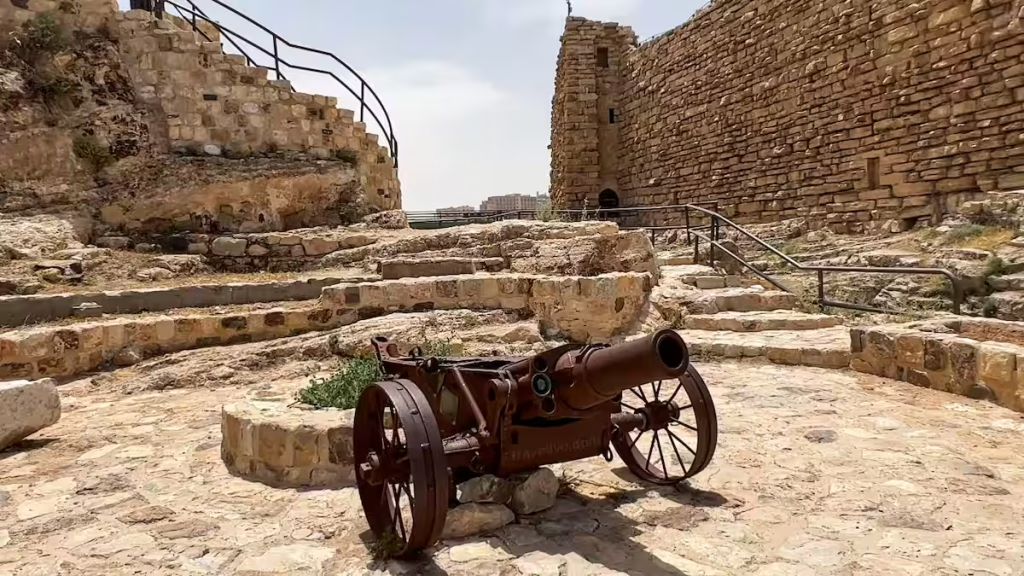
- Wear Proper Hiking Shoes: The castle floors consist of uneven, slick, medieval stone throughout. Wearing sandals, flip-flops, or flat sneakers with zero grip is an incredibly bad idea. We personally saw at least two tourists slip and lose their balance near the damp tunnel entrances.
- Carry a Dedicated Flashlight: While your phone torch is okay for emergencies, the deeper sections of the underground galleries are genuinely pitch-black. A small flashlight or a lightweight headlamp keeps your hands free and makes navigating the stone passages much safer.
- Bring Plenty of Water: We recommend at least 1 liter of water per person. The upper rooftop sections are completely exposed to the sun, while the underground tunnels can get surprisingly humid.
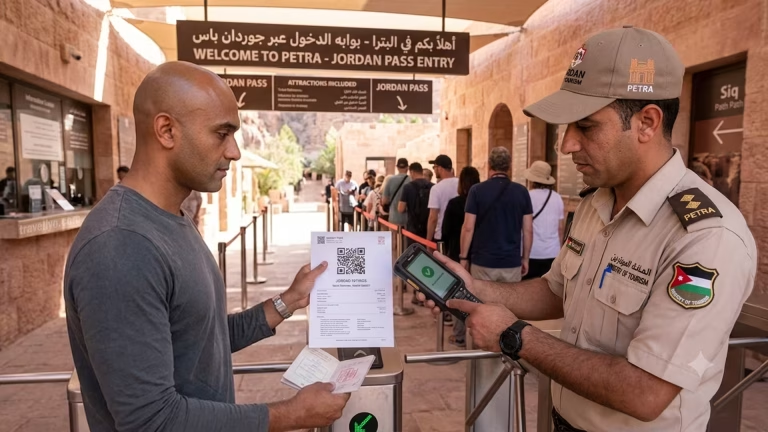
- Always Use the Jordan Pass: Entry to Al-Karak is fully included in the Jordan Pass, which also covers Petra and over 40 other historical sites across the country. If you plan to spend more than 3 days in Jordan, purchasing this pass beforehand at jordanpass.jo is a complete no-brainer and saves a massive amount of money.
9. Traveliyo Recommendations
Packing List for Al-Karak Castle
To maximize your comfort while exploring the massive Al Karak Castle in Jordan, make sure to pack these essentials:
- Sturdy, closed-toe shoes with excellent rubber grip (non-negotiable).
- A compact flashlight or headlamp to safely navigate the underground labyrinth.
- Sunscreen and a wide-brimmed hat for the completely unshaded rooftop viewpoints.
- A lightweight jacket, as the deep underground chambers can feel quite chilly and breezy, even during the warm spring months.
- Your printed or downloaded Jordan Pass for seamless entry at the gate.
Nearby Sights Worth Combining
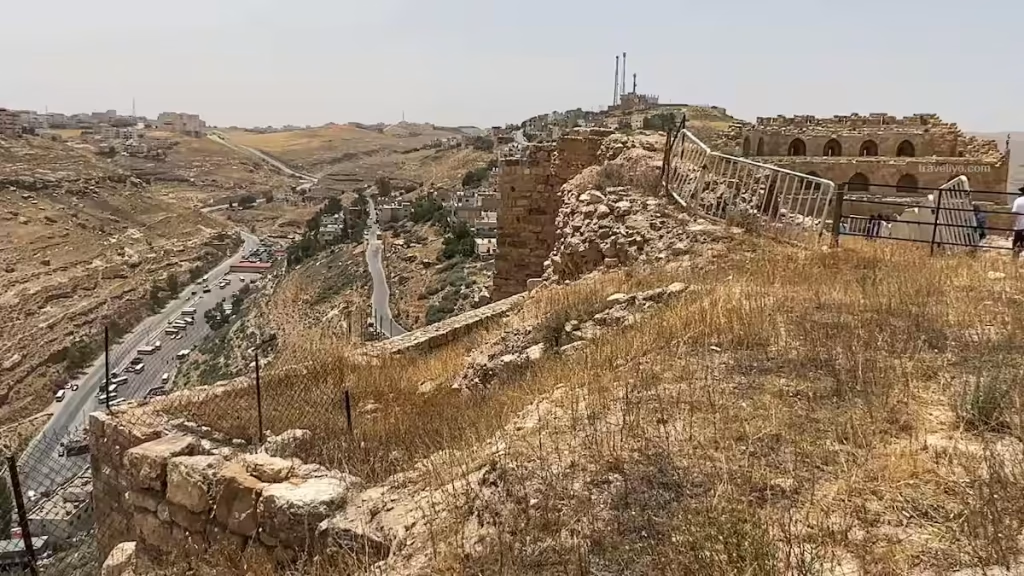
If you are driving the King’s Highway, Al-Karak naturally chunks into a full-day road trip itinerary. The stops we made earlier that morning—Shobak Castle and the stunning Dana Biosphere Reserve—both stand up beautifully as highly rewarding half-day experiences. Once you wrap up your exploration at Karak, heading further north brings you directly to the dramatic canyons of Wadi Mujib.
10. Our Travel Costs & Budget Notes
Al-Karak remains one of the most budget-friendly and affordable stops on any classic Jordanian road trip. There are absolutely no expensive tourist traps, no aggressive mandatory guides, and the local food scene is incredibly kind to your wallet.
Detailed Breakdown of Expenses
Expense Type | Cost (Per Person) | Practical Notes |
|---|---|---|
Castle Entry Fee | ~3 JOD | Completely FREE if you hold a valid Jordan Pass. |
Jordan Pass (Full) | ~70-80 JOD | Covers entry to 40+ sites, including Petra and the visa fee. |
Parking Fee | Free | Street parking is widely available near the main entrance. |
Local Lunch for Two | 4-5 JOD total | Enjoyed at a traditional local restaurant right outside. |
Bottled Water / Snacks | 1-2 JOD | Purchased at the small shop near the entrance gate. |
Rental Car (Daily Base) | ~25-35 JOD / day | The Economy car we rented from the Dead sea. |
The Bottom Line: If you are already traveling with a Jordan Pass, a visit to Al-Karak costs practically nothing beyond your daily fuel and food. Even if you have to pay the standalone 3 JOD entry fee, it offers exceptional historical value for money.
11. Suggested Itinerary: Incorporating Al-Karak
The King’s Highway Route (South to North)
This is the exact itinerary Tania and I followed. It works exceptionally well as a single, action-packed day trip starting from Aqaba, though splitting it across two days will give you much more breathing room.
One Long Day (Aqaba → Dead Sea)
Time | Stop | Activity & Duration |
|---|---|---|
7:00 AM | Depart Aqaba | Hit the road early in your rental car. |
9:30 AM | Shobak Castle | Explore the quieter Crusader ruins (1-1.5 hrs). |
11:30 AM | Dana Biosphere | Quick coffee break at the valley viewpoint (45 min). |
1:00 PM | Karak Castle in Jordan | Explore the tunnels and roof viewpoints (1.5-2 hrs). |
3:30 PM | Depart Karak | Drive north toward the sweeping canyon roads. |
4:30 PM | Wadi Mujib Viewpoint | Take photos at Jordan’s Grand Canyon (30-45 min). |
6:30 PM | Arrive Dead Sea | Check into your resort just in time for a late dinner. |
Driving Note: The King’s Highway between Al-Karak and the Dead Sea descends sharply through the Wadi Mujib canyon. The road is well-paved and perfectly manageable, but take the steep curves carefully—especially in a heavily loaded rental car.
12. Nearby Places You Can Visit
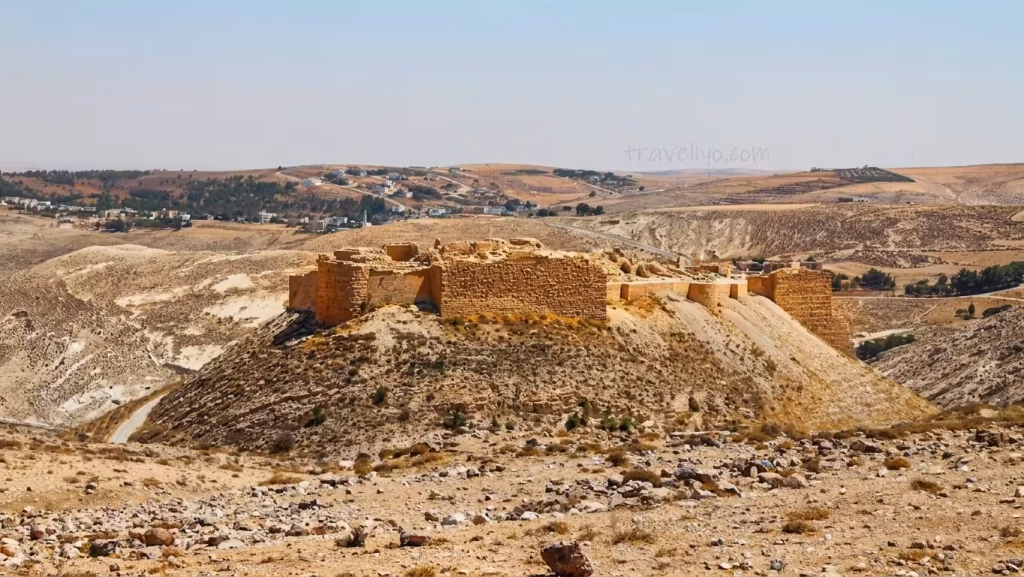
Shobak Castle: Located about 80 km south of Al-Karak via the King’s Highway. It is another imposing Crusader fortress, slightly smaller than Karak but equally atmospheric and far less visited. We stopped here first thing in the morning and had the ruins almost entirely to ourselves.
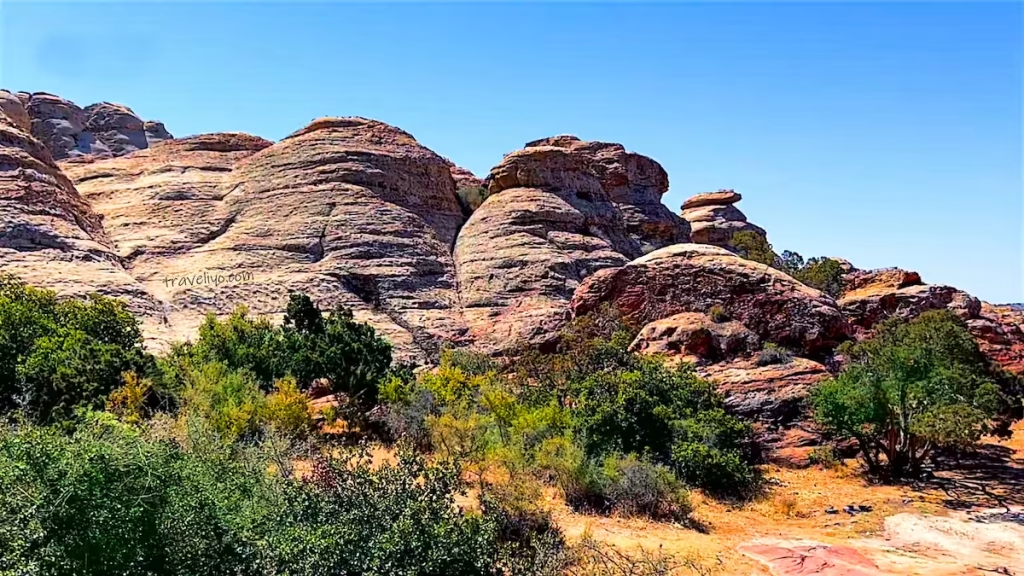
Dana Biosphere Reserve: Jordan’s largest nature reserve sits perfectly between Shobak and Karak. The panoramic viewpoint from Dana village is easily accessible without doing a full hike.
Wadi Mujib: Just north of Karak, this dramatic, towering canyon drops over 1,000 meters toward the Dead Sea. The roadside viewpoint is an absolute must-stop.
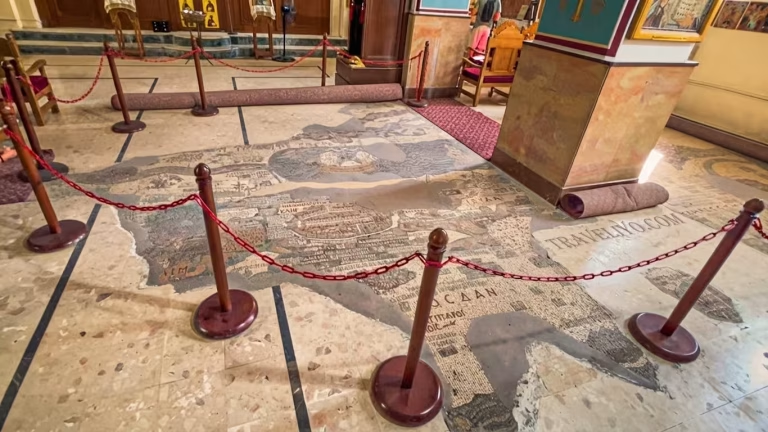
Madaba: Further north, about 30 km from the Dead Sea turnoff, lies Madaba. It is globally famous for its ancient Byzantine mosaics, particularly the stunning 6th-century map of the Holy Land inside St. George’s Church.
13. FAQs About Visiting Al-Karak Castle
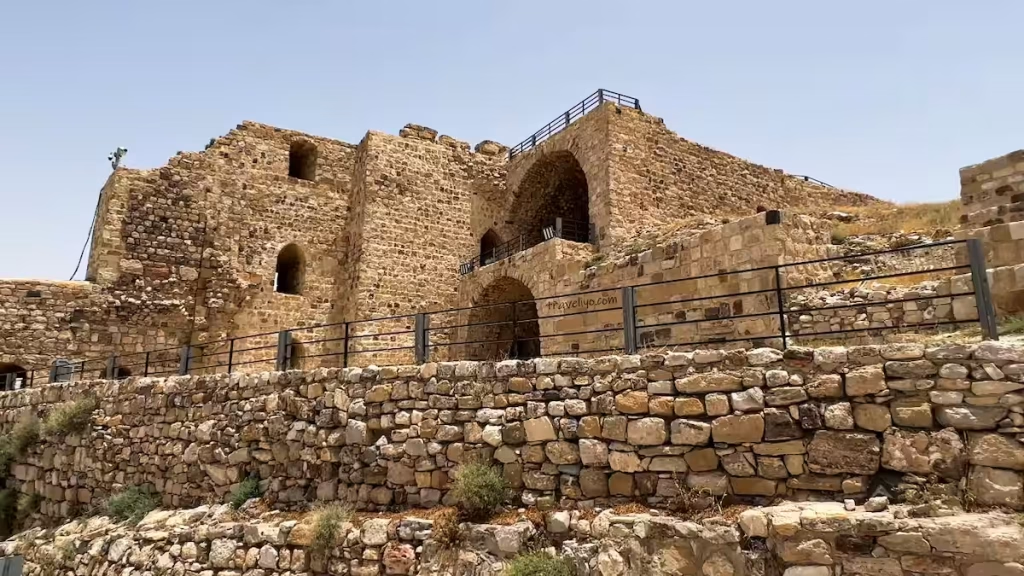
Q1: Is the Jordan Pass valid for Al-Karak Castle?
Yes, absolutely. Entry to the Al Karak Castle in Jordan is fully included in the Jordan Pass. If you are exploring the country for more than three days, buying the pass is highly recommended as it covers your visa fees and entry to over 40 major sites, including Petra.
Q2: How much is the entry fee without the Jordan Pass?
If you don’t have the pass, the ticket costs approximately 3 JOD (~$4.20 USD) per person.
Q3: Do you need a guide at Al-Karak?
A guide is not strictly required. The fortress has helpful English-language information boards scattered throughout. However, hiring a local guide at the entrance (usually around 10-15 JOD) adds fantastic historical context, especially regarding the medieval military strategies used during sieges.
Q4: Can you take photos inside the castle?
Yes, photography is permitted everywhere with no restrictions. Just keep in mind that the underground tunnels are incredibly dark—you will need to use manual settings for low light or shoot in portrait mode.
Q5: Is the castle accessible for visitors with mobility limitations?
Only partially. While the main entrance courtyard is relatively flat, the most interesting areas—like the tunnels, upper levels, and main viewpoints—involve navigating uneven stone steps and narrow, dark passages. Full wheelchair access is unfortunately very limited.
Q6: Is Al-Karak city safe for tourists?
Yes. Al-Karak is a traditional, conservative, and welcoming Jordanian town. Standard travel awareness applies: dress modestly (cover shoulders and knees) when walking outside the castle grounds, be respectful, and you will have a wonderful, safe experience.)
14. Conclusion
Al-Karak wasn’t the most famous stop on our King’s Highway road trip—Petra had undeniably claimed that title before we even left Aqaba. But unexpectedly, it turned out to be one of the most memorable.
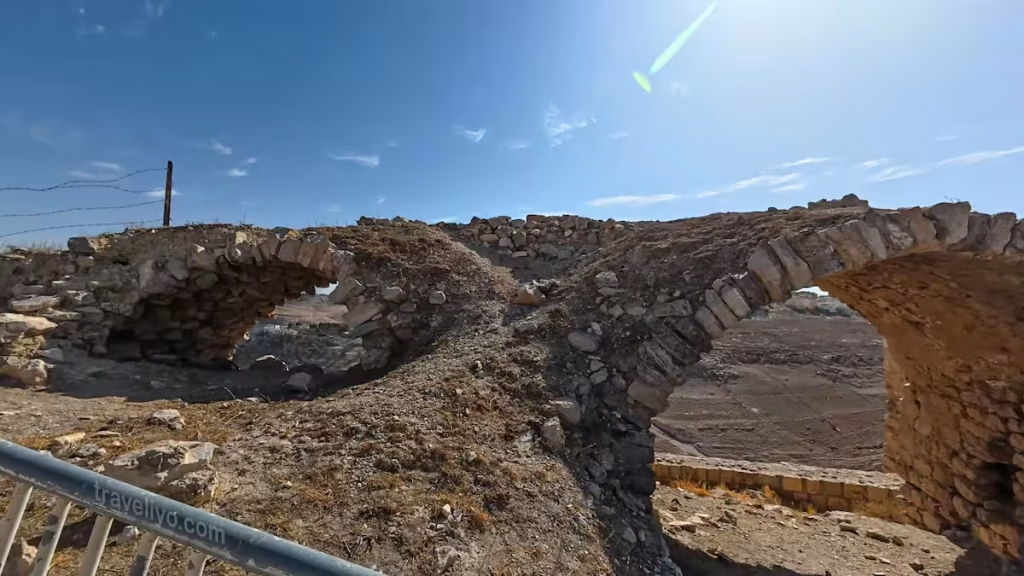
There is just something profoundly different about walking through a space that has genuinely been fought over—besieged, captured, rebuilt, and besieged all over again. The Karak jordan castle feels deeply lived-in by history in a way that is hard to find at more sanitized, polished heritage sites. The walls are rough. The tunnels are pitch black. The panoramic views are extraordinary. And the modern city around it is just getting on with its day, entirely unbothered by the 900-year-old Crusader fortress sitting right in its center.
We left the old city in the early afternoon, drove north past the massive canyon walls dropping toward the Dead Sea, and by late afternoon we were standing at the edge of Wadi Mujib—which turned out to be a completely different kind of dramatic adventure.
But that’s a story for the next stop.
If you are traveling the King?s Highway and wondering whether pulling over at Al-Karak is worth the detour?it absolutely is. Allow yourself proper time, bring a flashlight, and whatever you do, don’t skip the tunnels.
Have you visited Al-Karak Castle, or are you planning a road trip through Jordan? Share your thoughts in the comments below—Tania and I would love to hear what you found down in those tunnels!
Read Our Complete Jordan Travel Series
Planning a trip to Jordan? Don’t miss the rest of our detailed guides from this incredible journey:
- Part 01: Exploring Amman – The Capital City
- Part 02: The Ancient Ruins of Jerash
- Part 03: Floating in the Dead Sea
- Part 04: The Magic of Petra
- Part 05: A Night in the Wadi Rum Desert
- Part 06: Relaxing in Aqaba
- Part 07: Exploring Shobak Castle
- Part 08: Exploring the Dana Biosphere Reserve
- part 09: Discovering Al-Karak Castle (You are here!)
- part 10: Wadi Mujib Viewpoint (Next Read 👉)
- Part 11: Wadi Mujib Canyon
- Part 12: Mount Nebo – the View Moses Saw
- Part 13: Madaba Jordan – The Mosaic City’s Full Story
For more historical background, You can read the detailed article on Wikipedia
Did this guide help you? Have you also visited Al Karak Castle in Jordan? Share your experience in the comments below – it will be very valuable for other travelers.