Exploring the Lost City Petra: Our Unfiltered Journey Through Jordan’s Ancient Wonder (2026) | Jordan Travel Series – 4 of 13

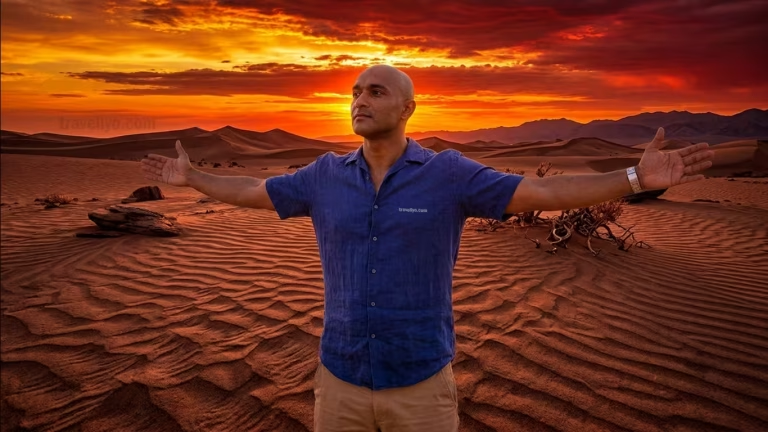
We left our Dead Sea hotel at exactly 6:00 AM. The desert sky was still pale, and the roads were almost empty. That morning felt different. We were finally heading toward the Lost city petra, a place I had imagined for years.
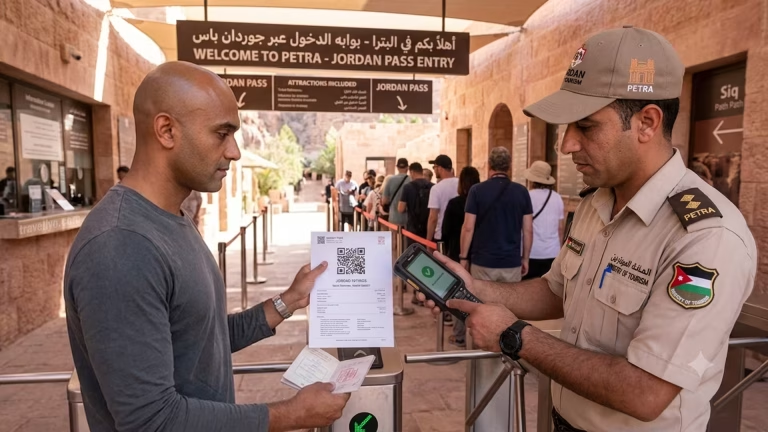
After about three hours of driving through Jordan’s rugged desert landscape, we reached Wadi Musa—the gateway town to Petra in Jordan. By 9:15 AM, Taniya and I were standing at the entrance of the archaeological site, Jordan Pass ready, water bottles in hand, slightly nervous but incredibly excited.
Walking through The Siq, the narrow sandstone canyon that leads into Petra, is an experience that slowly builds anticipation. The towering rock walls rise nearly 80 meters high in some sections, twisting and narrowing as you walk deeper inside. It takes around 20–30 minutes at a relaxed pace.
Then comes that moment.
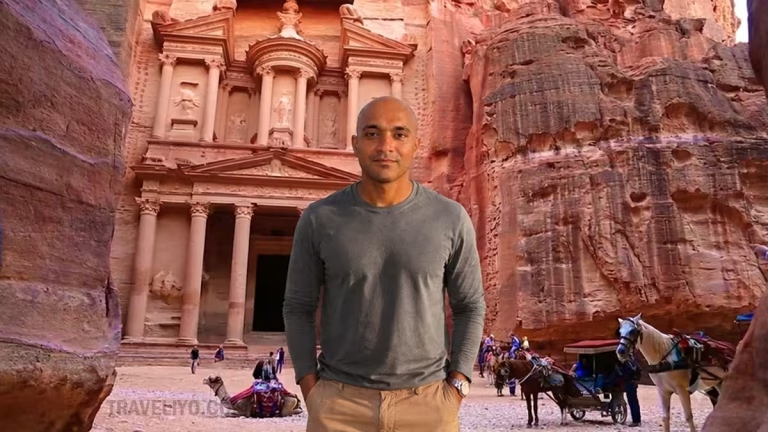
As the canyon gently curves open, sunlight hits the rose-colored façade of Al-Khazneh (The Treasury), and the Lost city of Petra Jordan reveals itself in silence. No exaggeration—it is not loud, not dramatic. It is quiet, almost restrained. You just stand there and absorb it.
That first view alone justifies the entire Petra travel journey.
Read Next: If you are following our complete Jordan road trip, be sure to read our first stop: Exploring Amman: Part 1 of Our Jordan Series.
🌤 Best Time to Visit: March – May & September – November
💰 Currency: Jordanian Dinar (JOD)
🗓 Ideal Stay Duration: 2 Days (seeing everything in one day is exceptionally difficult)
⭐ Must-Do Experience: The Treasury (Al-Khazneh), The Monastery (Ad-Deir), Petra by Night
📍 Nearby Hub: 2-3 minutes drive from Wadi Musa
01. Destination Overview
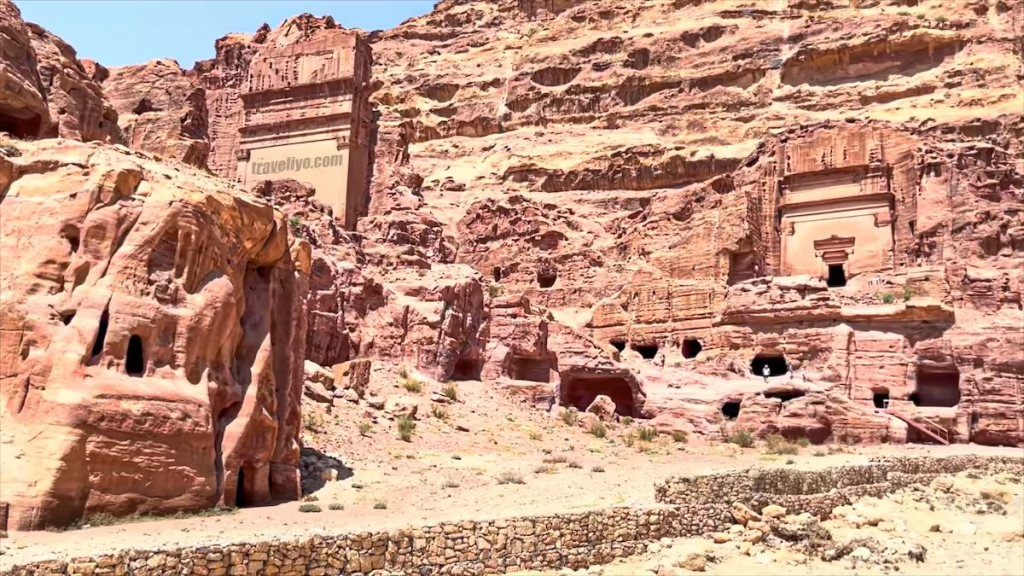
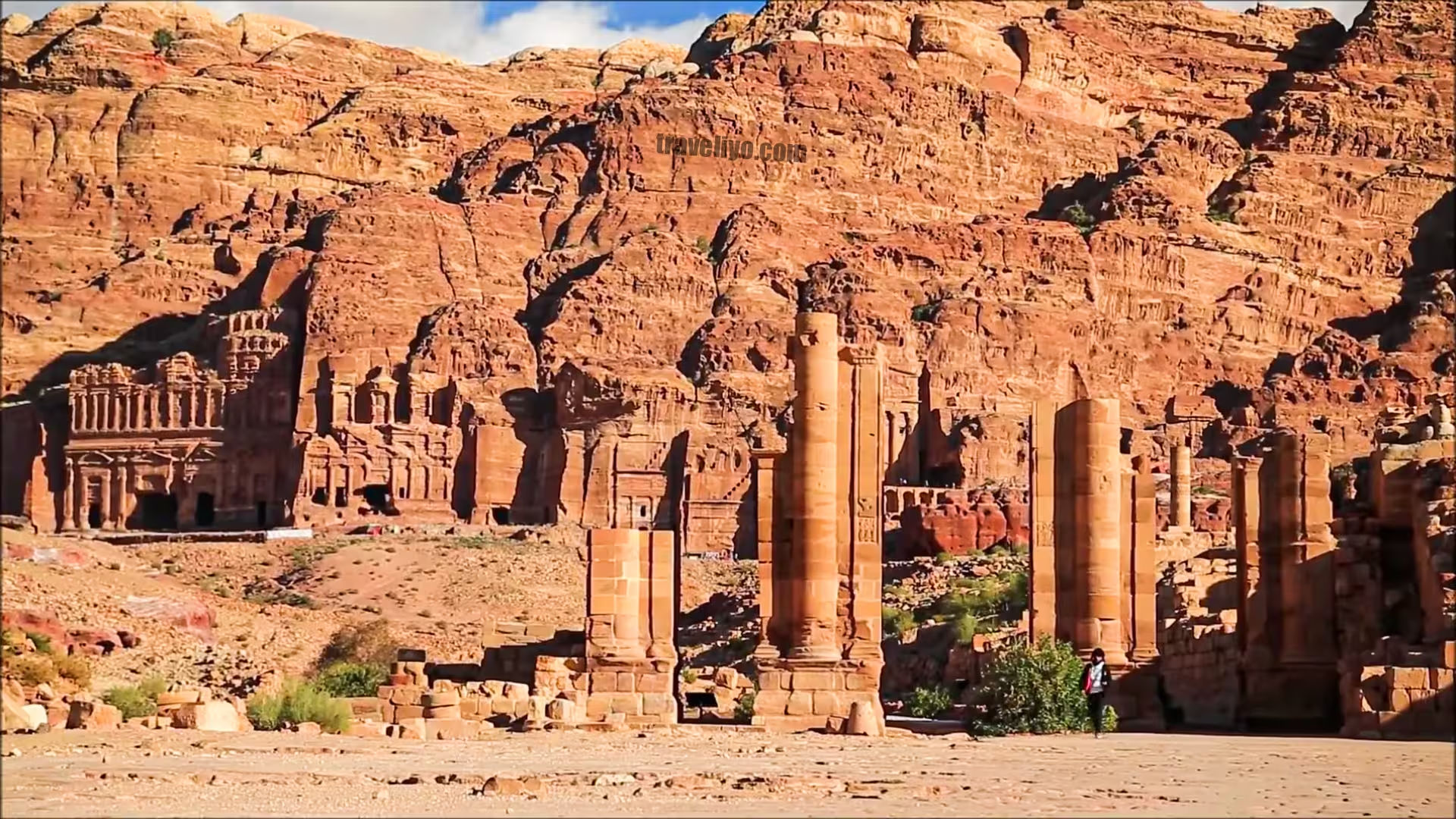
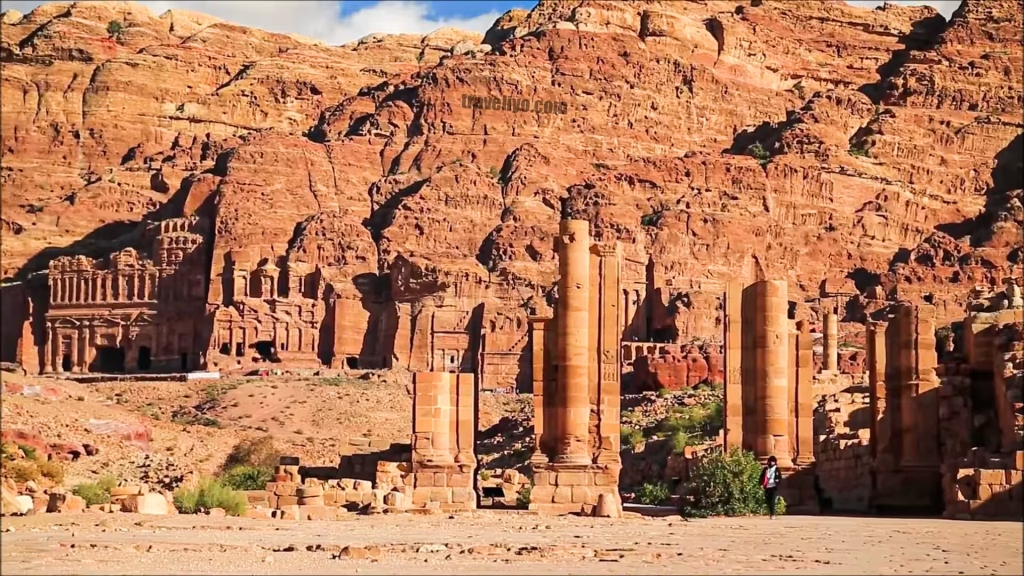
The Lost city petra is not just a single monument. It is a vast archaeological city carved into rose-red sandstone cliffs over 2,000 years ago by the Nabataeans—an ancient Arab civilization that mastered water engineering and desert trade routes.
Recognized as one of the New Seven Wonders of the World, Petra in Jordan once served as a major trading hub connecting Arabia, Egypt, and the Mediterranean. The Nabataeans developed advanced water collection systems, reservoirs, and channels that allowed them to survive in harsh desert conditions.
What makes the Petra ancient city of rock unique is not only its architecture but its sheer scale. The site spreads across approximately 264 square kilometers. Most visitors see only a fraction of it.
Beyond The Treasury, there are:
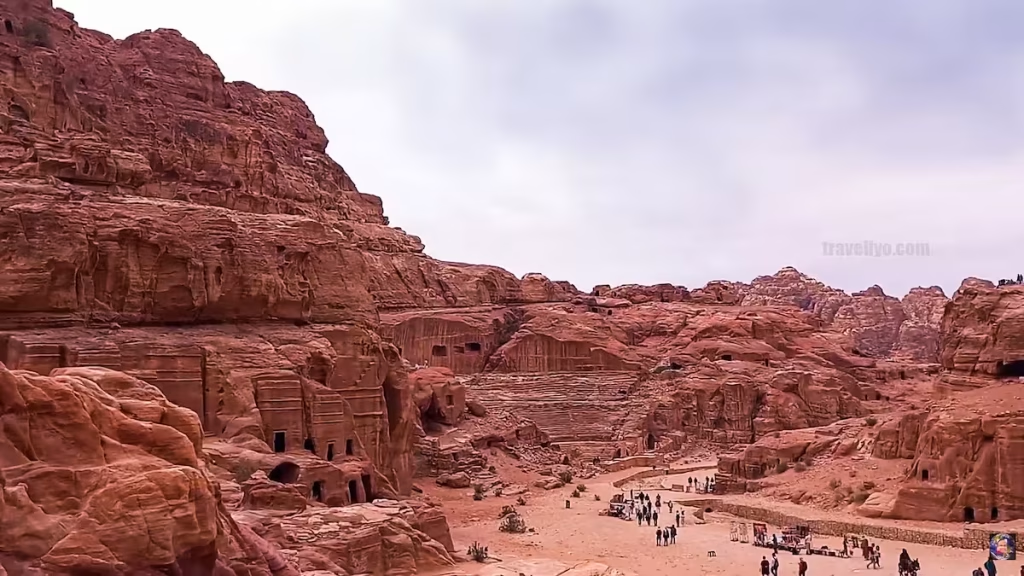
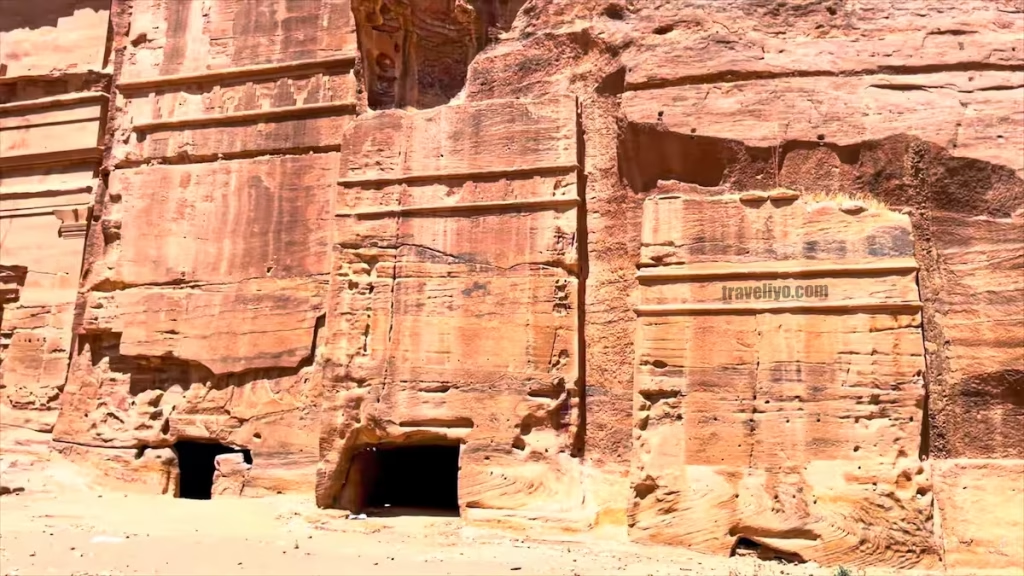
- The Street of Facades
- The Royal Tombs
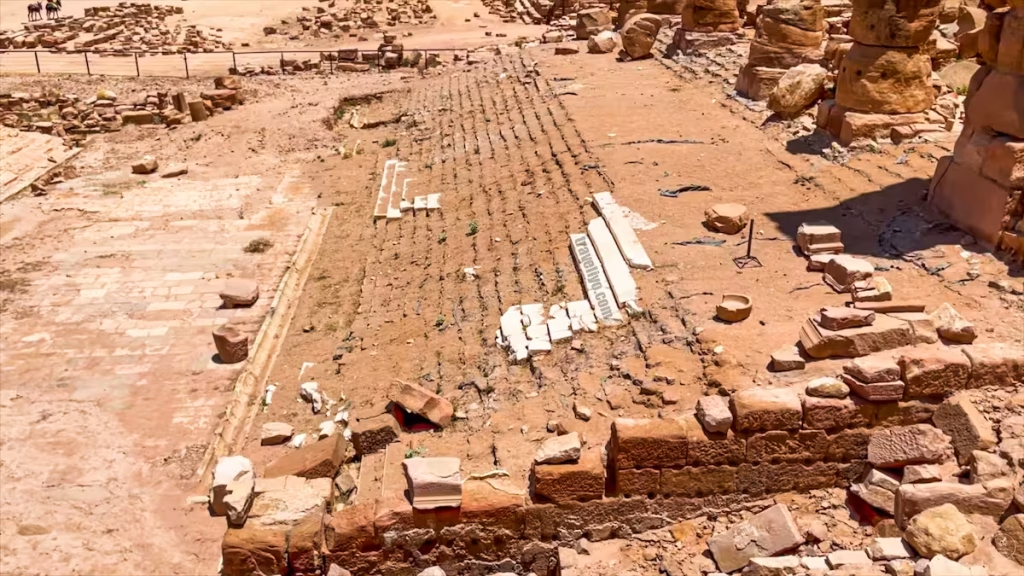
- The Great Temple
- The Roman Theatre
- The Monastery (Ad-Deir)
- High Place of Sacrifice
Why is Petra known as the lost city? Petra was later absorbed into the Roman Empire and gradually declined due to changing trade routes and earthquakes. It was eventually “lost” to the Western world for centuries until Swiss explorer Johann Ludwig Burckhardt rediscovered it in 1812. This remarkable rediscovery is exactly why it earned its famous title.
Sustainable Travel Note:
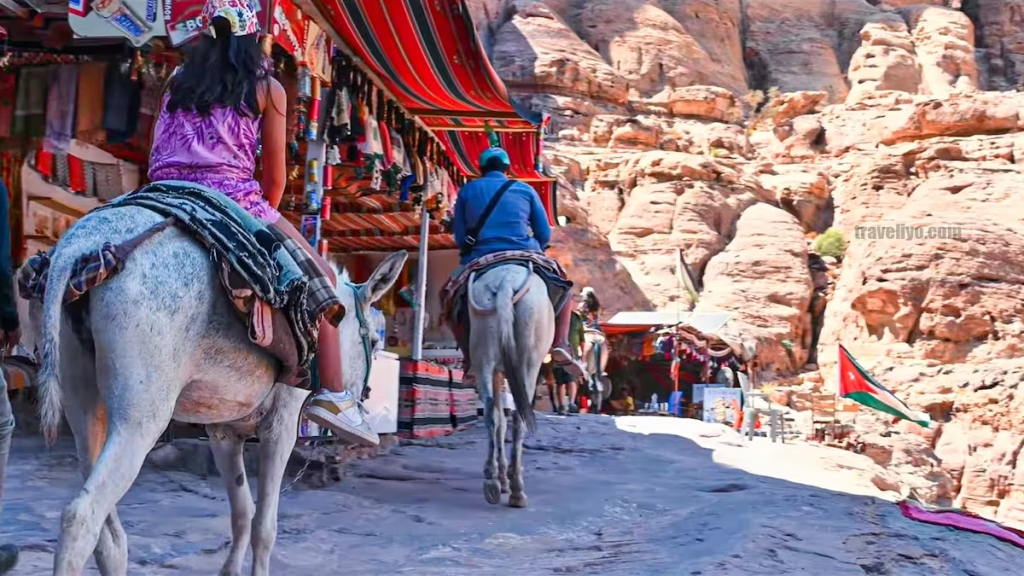
Petra is over two millennia old. Please avoid touching carvings or climbing fragile structures, as sandstone erodes easily. If considering horse or donkey rides inside Petra, choose operators who treat animals ethically. While some local Bedouin families depend on tourism income, responsible choices help ensure animal welfare. Walking remains the most sustainable way to experience the site.
02. Why I Chose to Visit the Lost City Petra
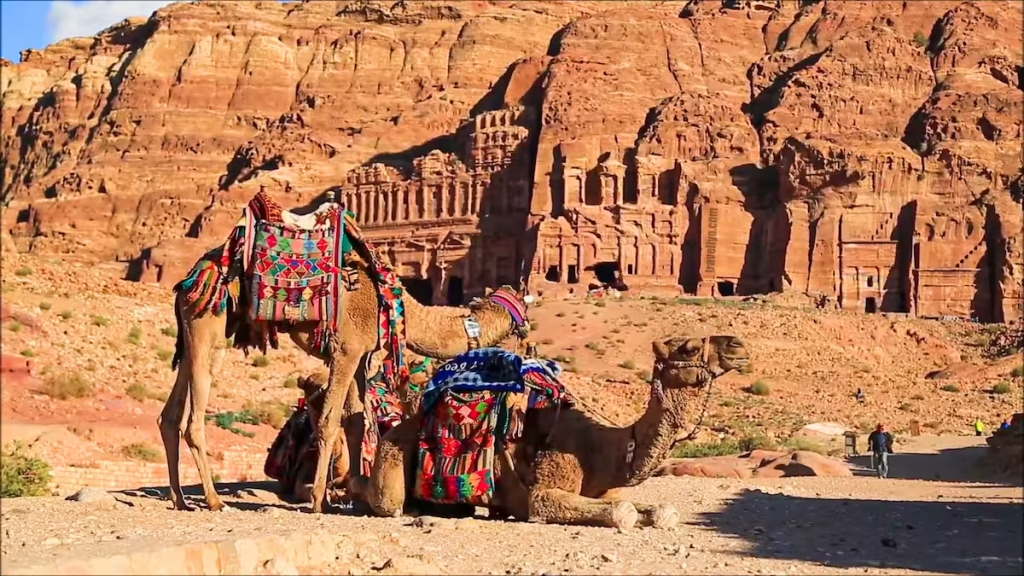
For me, the decision to visit the Lost city petra started long before this Jordan trip.
As a child, I watched Indiana Jones and the Last Crusade. The final scenes filmed at The Treasury stayed in my mind for years. I did not fully understand where Petra was back then; I only knew it looked unreal—like a hidden civilization carved from stone.
Later, as I began building Traveliyo and planning more structured travel experiences, Petra consistently appeared in global rankings. It is not just another archaeological site; it is often described as the absolute highlight of any Petra Jordan tour.
But I did not want to experience it as a rushed checklist destination. Taniya and I wanted to:
- Walk it slowly and spend two full days.
- Experience Petra by Night.
- Hike to The Monastery early in the morning.
- Climb to the High Place of Sacrifice for panoramic views.
I also wanted to answer the common questions travelers ask us. For instance, can you go inside the lost city of Petra? Yes, you can walk through the vast city, though entering certain tombs is restricted to protect the structures. Can I visit Petra on my own? Absolutely, independent travel is highly rewarding here.
Instead of relying only on guidebooks, I wanted firsthand clarity to build the ultimate petra travel guide. By the time we exited The Siq and stood before The Treasury, I realized something: the Lost city petra is not dramatic in a cinematic way. It is powerful because of its stillness. It does not try to impress you. It simply exists. And that quiet presence is what makes Petra in Jordan unforgettable.
03. Best Time to Visit (From My Experience)
Choosing the right season makes a significant difference when visiting the Lost city petra. Because it is located in a desert region, weather conditions directly affect how much you can explore comfortably.
The Ideal Season (Spring / Autumn)
From our experience, the best time for Petra travel is between March to May and September to November.
During these months:
- Daytime temperatures are manageable (18°C–28°C).
- Hiking to The Monastery or High Place of Sacrifice feels challenging but realistic.
- The Siq walk is pleasant rather than exhausting.
- Photography conditions are softer, especially in the morning light.
We visited in early autumn. Starting at 9:00 AM was already warm, but not overwhelming. On our second day, when we climbed to The Monastery before 8:00 AM, the weather felt ideal for long-distance walking. If you are planning a proper petra travel guide-style experience—meaning 15–20 km of walking per day—shoulder seasons are the most practical choice.
The Extreme Seasons (Summer Heat & Winter Floods)
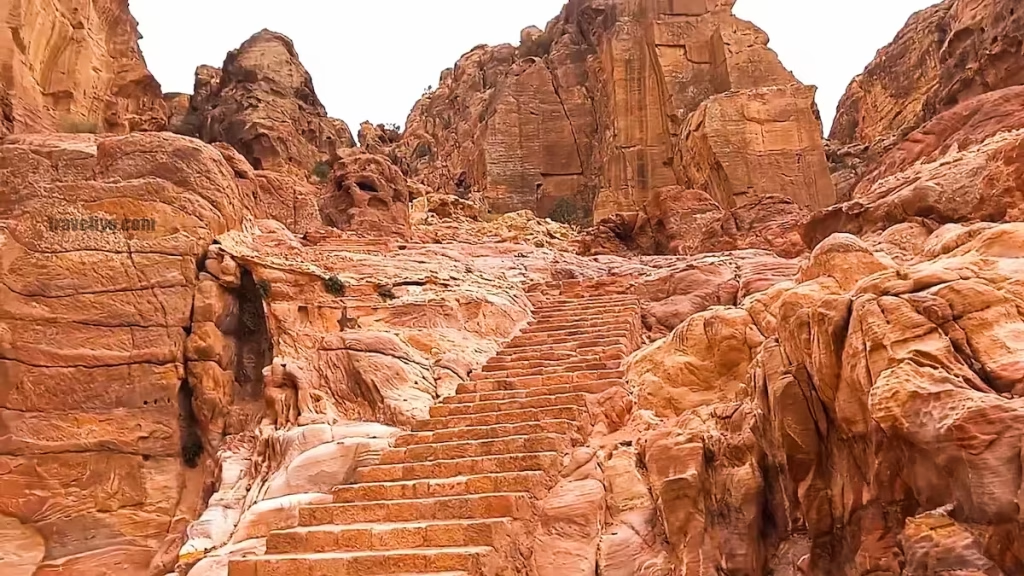
Summer (June–August) can be intense. Temperatures frequently exceed 38°C (100°F). There is very little shade once you pass The Siq. Hiking the 850 steps to The Monastery in peak summer would be physically demanding and potentially risky without proper hydration.
Winter (December–February) is cooler, which helps with hiking. However, flash floods can occasionally occur due to heavy rainfall. The Siq has historically experienced temporary closures during sudden weather changes. So, when travelers ask, “Is it safe to travel to Petra Jordan?” or “Is it safe to travel to Petra now?”—the answer is a resounding yes, but you must monitor seasonal conditions and follow official updates from the Petra Development and Tourism Region Authority (PDTRA). If flexibility allows, avoid the peak summer months unless you plan very early starts.
04. How to Visit Petra / How I Got There
If you are just starting your research and wondering where is Petra in which country, it is located in the southwestern desert of the Hashemite Kingdom of Jordan.
Transport Options
There are several ways to reach Petra in Jordan:
- JETT Bus: Reliable and commonly used by independent travelers. It operates daily services between Amman and Petra.
- Private Taxi: Convenient but more expensive.
- Rental Car: The most flexible option (this is what we chose).
- Organized Petra Jordan Tour: Great if you prefer an all-inclusive, guided experience.
My Journey & Cost
We traveled from the Dead Sea to Petra by rental car. The drive took approximately 3 hours via Route 35. (Note: The alternative King’s Highway is incredibly scenic but takes much longer).
- Fuel cost: ~25 JOD
- Rental (per day average): ~35–45 JOD
- Jordan Pass (2-day Petra access): ~75 JOD per person
The Jordan Pass is highly recommended. It includes a visa fee waiver (if you are staying 3+ nights in Jordan), entry to Petra for 1, 2, or 3 days, and access to many other archaeological sites. Without the Jordan Pass, a single-day Petra ticket alone costs around 50 JOD. So financially, it is a no-brainer. If you are researching how to travel petra independently, renting a car is straightforward and safe. The roads are well-maintained, signage is clear, and Google Maps works reliably.
05. Best Place to Stay: Wadi Musa (The Gateway to Petra)
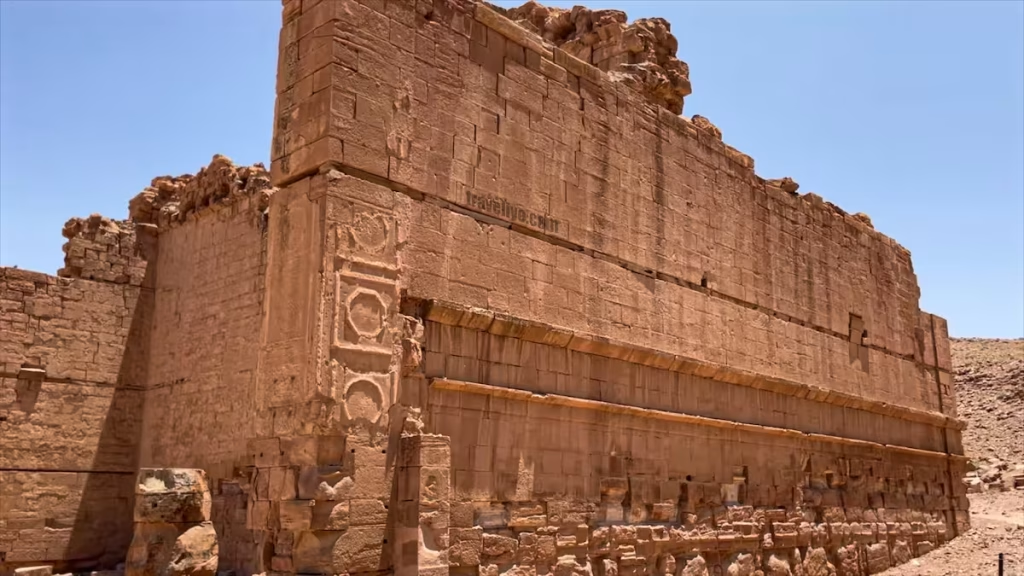
Wadi Musa is the town directly outside Petra’s entrance. Staying here is essential if you want early access to the site before the midday crowds arrive.
Luxury vs. Budget Options
When searching for hotels in petra jordan, you will find options for every budget. Here is a simple comparison:
Category | Example Hotels | Approx. Price Range | Notes |
Luxury | Mövenpick Resort Petra | 150–250 JOD | Located directly opposite the entrance gate. |
Mid-Range | Petra Moon Hotel | 70–120 JOD | Rooftop pool, fantastic location |
Budget | Nomads Hotel Petra | 20–50 JOD | Hostel-style, great social atmosphere |
Where I Stayed (My Review)
We chose to stay at the Petra Moon Hotel in Wadi Musa. Why? It was merely a 3 to 4-minute walk to the Petra entrance, featured clean rooms, had a rooftop pool, and included a solid breakfast.
After walking nearly 18 km on Day 1, having a short walk back to the hotel was crucial. Taniya’s legs were visibly done by sunset. Funny moment: We completely underestimated the walking distance. By 5:00 PM, both of us were calculating how many more “ancient steps” remained. At one point near the Royal Tombs, Taniya jokingly said, “This lost city should come with escalators.”
That evening, after a quick shower and short rest, we easily walked back to the entrance for Petra by Night—an event that completely changed the atmosphere of the Lost city petra. The proximity of our hotel made this possible without any added stress.
06. My Favorite Things to Do in Petra
The Lost city petra is not experienced in one dramatic moment. It unfolds slowly, step by step. As you explore, it becomes obvious why this site perfectly answers the question of what is the 7 wonders in Jordan—it is the crown jewel of the country. Over our two days, these were the highlights that genuinely stood out.
Walking Through the Siq & Seeing The Treasury
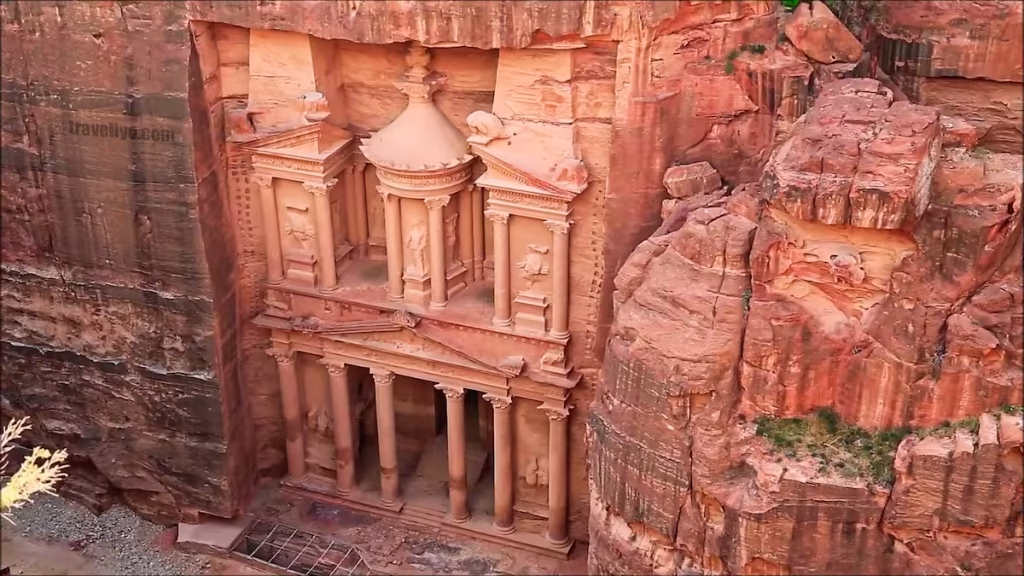
The walk through The Siq is not just an entrance; it is a vital part of the experience. The canyon stretches about 1.2 km, with towering sandstone walls shaped by natural tectonic shifts and water erosion. Ancient Nabataean water channels are still visible, carved directly into the rock.
We entered around 9:30 AM on Day 1. The lighting inside The Siq changes constantly. At certain turns, thin beams of sunlight cut across the canyon walls, creating subtle color variations—pink, orange, deep red. Then comes the narrow opening that frames Al-Khazneh (The Treasury).
Seeing The Treasury for the first time in the Lost city petra is surprisingly quiet. There is no dramatic soundtrack, no theatrical build-up. People naturally lower their voices. You stand there, trying to absorb its scale and symmetry. We stayed nearly 40 minutes just observing.
(Important note for your petra travel guide: most day-trippers stop here for photos and return. That means missing 90% of Petra!)
Hiking to The Monastery (Ad-Deir) – 850 Steps
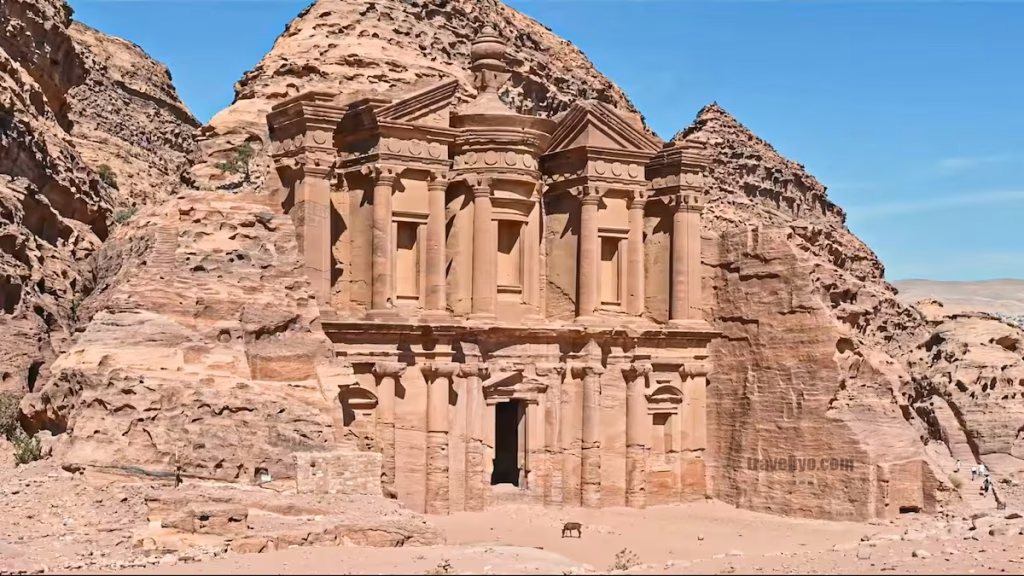
On Day 2, we entered Petra at 6:30 AM specifically to hike to The Monastery (Ad-Deir) before the heat intensified. The trail includes approximately 800–850 stone steps. It is roughly 3 km one way from The Treasury area and takes 1.5 to 2 hours depending on your pace.
Halfway up, we questioned our stamina. Taniya laughed and said, “This better be worth it.” It was. The Monastery is even larger than The Treasury—nearly 47 meters wide and 48 meters tall. Unlike The Treasury, it feels incredibly isolated and peaceful, as fewer crowds reach it in the early morning.
Is Petra a difficult hike? It depends entirely on your fitness level. You will walk 15–20 km across two days if you explore fully. The Monastery climb is not highly technical, but it is physically demanding. It requires steady pacing, plenty of water, and proper footwear. In our opinion, this is the most rewarding viewpoint in the entire Petra ancient city of rock.
Experiencing Petra by Night
On the evening of Day 1, we returned for Petra by Night, an event organized several times a week. The Siq and The Treasury are illuminated with over 1,500 candles. Visitors walk quietly through the canyon in near darkness, guided by soft lantern light, while Bedouin musicians play traditional instruments.
Is it essential? Not mandatory. For photographers expecting dramatic lighting, it may feel limited. But for travelers seeking a unique atmosphere, it offers a completely different, deeply emotional perspective of the Lost city petra and is well worth the additional ticket cost (~17 JOD).
Feature 02: Myth vs. Reality
- Myth: The “Lost city petra” is just one building—The Treasury.
- Reality: The Lost city of Petra Jordan covers approximately 264 square kilometers. It includes temples, tombs, a Roman theatre, sacrificial altars, monasteries, colonnaded streets, and hidden hiking trails. Seeing Petra properly requires two full days at minimum. Most day-trip visitors only see 15–20% of the site.
07. Food & Drink
Food planning is highly practical, not glamorous, during Petra travel.
Inside Petra, there are a few restaurants and cafes. The most well-known is the Basin Restaurant, located near The Basin area before the Monastery trail. However, prices inside the archaeological site are noticeably higher than in Wadi Musa:
- Simple lunch buffet: 15–20 JOD
- Bottled water: 2–3 JOD
We chose to carry:
- 2 liters of water each
- Energy bars
- Light snacks
This significantly reduced our expenses and prevented dehydration during the long hikes.
In Wadi Musa, food options are much better priced and highly varied. We tried Mansaf (Jordan’s national dish consisting of lamb with rice and a fermented yogurt sauce), fresh falafel sandwiches, and warm hummus with pita bread. Local restaurants near the Petra Moon Hotel offered hearty, full meals for just 8–12 JOD per person.
Important Petra travel tip: Eat a proper, filling breakfast before entering the gates. Once inside, walking and exploring become your absolute priorities.
08. Traveliyo Insider Tips
After two full days exploring the Lost city petra, here are practical insights we genuinely learned the hard way.
Feature 03: The Survival Checklist
- Start at 6:00 AM: Enter when the gates open. You completely avoid the massive tour bus crowds and the extreme midday heat.
- Wear ultra-comfortable walking shoes: Expect 15–20 km per day if fully exploring the Petra ancient city of rock. Sandstone paths are notoriously uneven.
- Get the Jordan Pass: It includes your visa fees and Petra entrance. It saves money and lets you walk right past the ticket queues.
- Carry at least 2 liters of water per person.
- Pace yourself: Do not attempt The Monastery, High Place of Sacrifice, and a full city loop in one rushed day.
- Plan two days minimum: When travelers ask, “How many days are needed in Petra?” or “How many days do you need in Petra?”—our definitive answer is two.
09. Traveliyo Recommendations
After miles of walking, these are the practical recommendations we genuinely stand by.
Packing List
Petra travel is physically demanding. Packing correctly makes a noticeable difference.
- Wide-brim hat or cap
- Strong sunscreen (SPF 50 recommended)
- Sunglasses
- 2–3 liters of water per person
- Electrolyte tablets (optional but highly helpful)
- Lightweight, breathable clothing
- Ultra-comfortable walking shoes
- Small, lightweight backpack
We underestimated hydration on Day 1. By mid-afternoon near the Royal Tombs, the heat and long distances were punishing. Day 2 was much smoother because we planned better. If someone researching how to travel petra independently asks what matters most—footwear and water are completely non-negotiable.
Souvenirs to Buy
Inside Petra and in Wadi Musa, you will find locally made handicrafts. Popular souvenirs include sand art bottles (colored desert sand layered into patterns), Nabataean-style coins, and Bedouin silver jewelry. Negotiation is common but should remain respectful, as many vendors are local Bedouin families whose income depends heavily on tourism.
10. Our Travel Costs & Budget Notes
Petra in Jordan is not a cheap destination, but costs are manageable with solid planning.
Breakdown of Expenses (Per Person Estimate)
Item | Approximate Cost (JOD) |
Jordan Pass (2-day Petra access) | 75 JOD |
Petra by Night ticket | 17 JOD |
Hotel (Petra Moon – shared room) | ~40 JOD per person |
Food (2 days) | 20–30 JOD |
Fuel (Dead Sea to Petra) | ~15–20 JOD (shared) |
Estimated Total (2 Days in Petra): 170–190 JOD per person
Without the Jordan Pass, a single-day Petra entrance alone is 50 JOD. So financially, the pass makes perfect sense. If you are asking, “How much does it cost to go to Petra?”—realistically budget 150–200 JOD for a comfortable 2-day experience excluding international flights. Organized Petra Jordan tour packages can cost significantly more depending on their inclusions.
11. Suggested Itinerary for Petra
Based on our real experience, here is what works best to see the Lost city petra.
One Day Plan (The Rushed Option)
If you only have one day:
- Enter at 6:00 AM
- Walk through The Siq and visit The Treasury
- Continue to the Street of Facades & Royal Tombs
- Visit the Roman Theatre
- Optional short hike to a viewpoint
This gives you a surface-level overview, but it will feel rushed.
Two Day Plan (Highly Recommended)
- Day 1: The Siq, The Treasury, Street of Facades, Royal Tombs, Great Temple area, sunset viewpoints, and evening Petra by Night.
- Day 2: Early hike to The Monastery (Ad-Deir), explore The Basin area, climb to High Place of Sacrifice, and scenic overlook trails.
This pace allows you to actually absorb the Petra ancient city of rock instead of racing through it.
When travelers ask:
- ”Is 2 days in Petra enough?” – Yes, for most visitors, it is perfect.
- ”How many days is enough for Petra Jordan?” – Two full days is the absolute sweet spot.
- ”Can I visit Petra on my own?” – Absolutely. (Do I need a tour guide for Petra? No, independent travel is easy, though hiring a local Bedouin guide for specific hidden trails can be a great addition).
12. Nearby Places You Can Visit
Little Petra (Siq al-Barid)
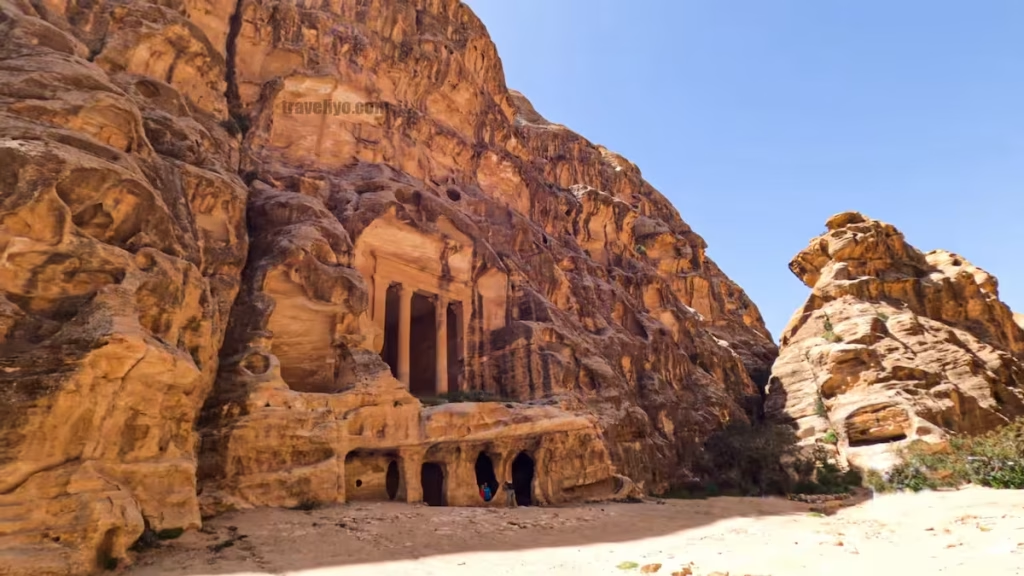
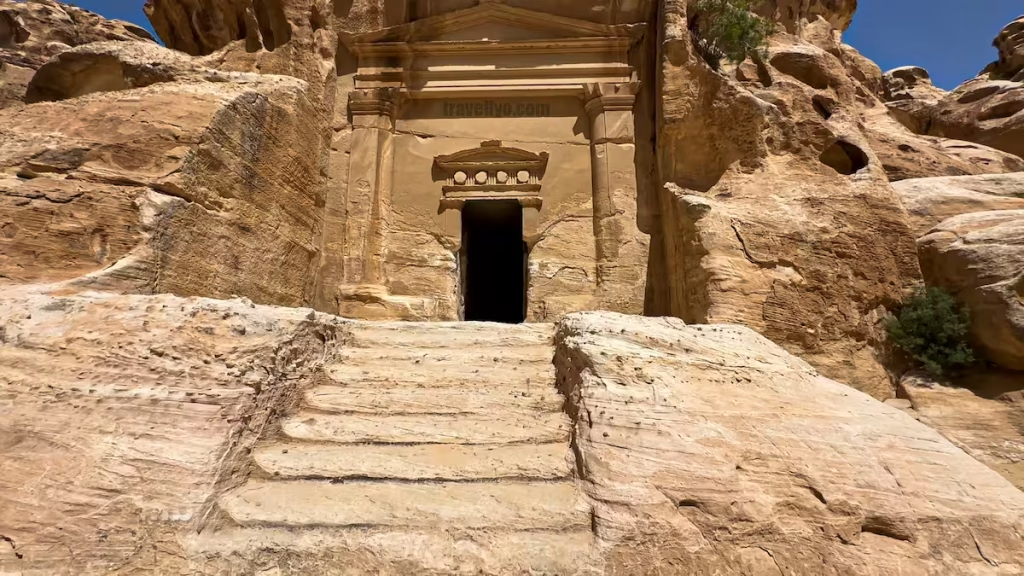
Just a short 15–20 minute drive from Petra lies a hidden gem many travelers overlook—Little Petra. Entry here is completely free. When Taniya and I visited, what struck us most was the peaceful atmosphere. There were no massive tour groups and no long walking distances. If you have an extra 1–2 hours, it is absolutely worth it, especially for photography lovers.
Wadi Rum
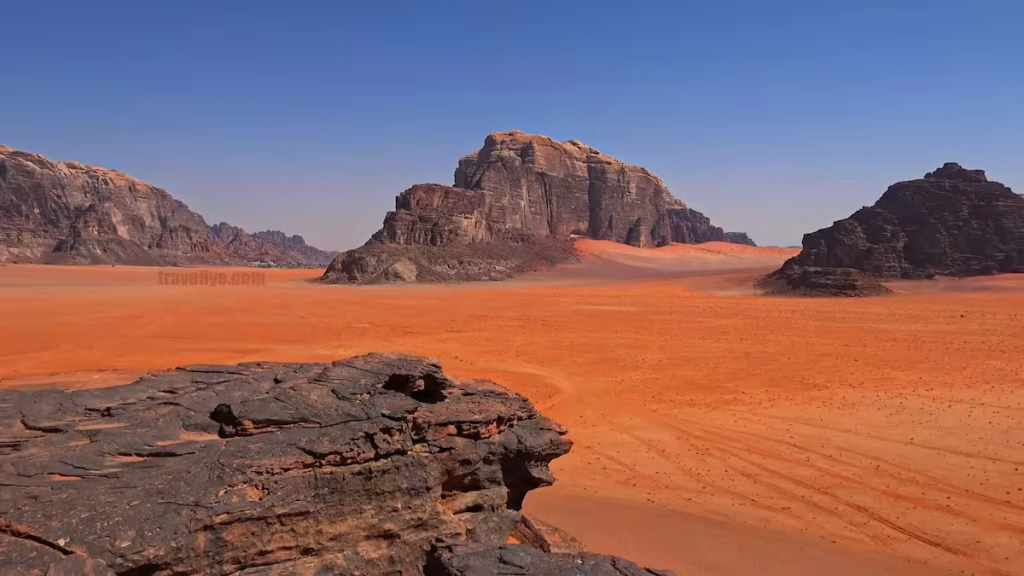
About two hours south of Petra is the dramatic desert landscape of Wadi Rum—often described as “Mars on Earth.” We chose to stay overnight in a Bedouin-style desert camp, and watching the sunset over the red dunes became one of the most unforgettable experiences of our trip. Combining your Petra travel with Wadi Rum makes your itinerary far more powerful.
13. FAQs about Visiting the Lost City Petra
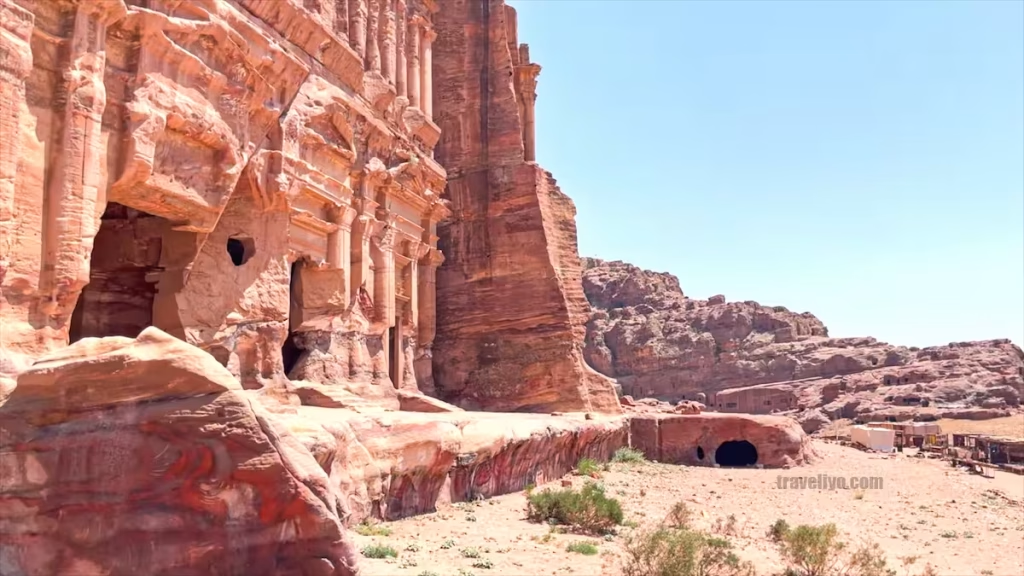
Here are answers to the most common questions travelers ask:
1. Why was Petra abandoned in Islam?
Petra’s decline actually began long before the Islamic era, primarily due to changing sea trade routes and devastating earthquakes (especially in 363 AD) that destroyed its vital water management systems. By the time the Islamic period expanded, the city was already largely abandoned.
2. Is Petra mentioned in the Quran?
While the broader region and the ancient Thamud people (who are sometimes historically associated with Nabataean-style rock-cut architecture) are referenced in the Quran (such as Al-Hijr), the specific city of Petra itself by name is not explicitly mentioned.
3. Which prophet is buried in Petra?
It is deeply believed by locals that Aaron (Prophet Harun), the older brother of Moses, is buried nearby on Mount Hor (Jabal Harun). You can actually spot the white shrine dedicated to him from certain high vantage points inside Petra.
4. Are there toilets and restaurants inside Petra?
Yes. Facilities are available near the Visitor Center and in main activity zones. There are also small restaurants and cafés selling snacks and drinks.
5. Can you ride horses or camels inside Petra?
A short horse ride from the entrance to The Siq is technically included in your ticket (a tip is expected). Camels and donkeys are available deeper inside, but we highly recommend walking for ethical reasons and to preserve the site.
6. Is the Jordan Pass worth it for visiting Petra?
Yes. It covers your entry ticket and waives the tourist visa fee, saving money for most international travelers.
14. Conclusion
Standing in front of The Treasury at Petra is one of those rare travel moments that stays with you forever.
For me, Petra was not just another destination—it felt like stepping into a different era of human civilization. Walking through The Siq, seeing that first glimpse of The Treasury, climbing toward The Monastery, and watching the colors of the sandstone change with the sun—every moment felt cinematic.
If you are planning a trip to the Lost city of Petra Jordan and have questions about timing, budgeting, hiking difficulty, or combining it with Wadi Rum and the Dead Sea, leave a comment below. I am always happy to share more from our personal experience to help you plan smarter and travel deeper.
📋 Explore Our Complete Jordan Travel Series:
Follow our entire Jordanian adventure step-by-step through our comprehensive Traveliyo guides:
- Part 01: Exploring Amman – The Capital City
- Part 02: The Ancient Ruins of Jerash
- Part 03: Floating in the Dead Sea
- Part 04: The Magic of Petra (You are here!)
- Part 05: A Night in the Wadi Rum Desert (Next Read 👉)
- Part 06: Relaxing in Aqaba
- Part 07: Exploring Shobak Castle
- Part 08: Exploring the Dana Biosphere Reserve
- part 09: Discovering Al-Karak Castle
- part 10: Wadi Mujib Viewpoint
- Part 11: Wadi Mujib Canyon
- Part 12: Mount Nebo – the View Moses Saw
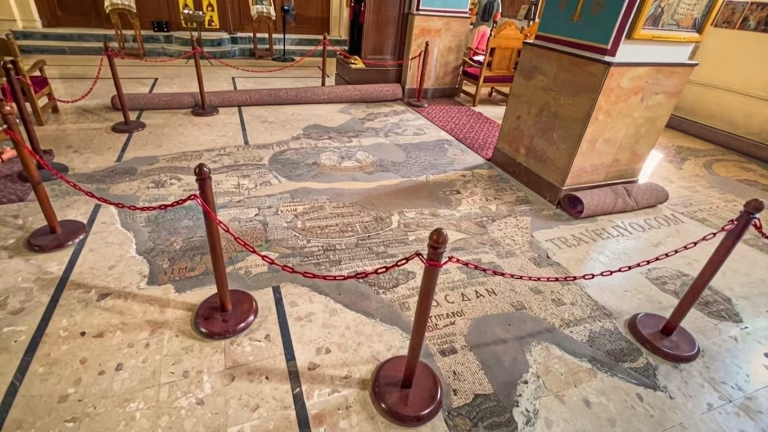
- Part 13: Madaba Jordan – The Mosaic City’s Full Story
For more historical background, You can read the detailed article on Wikipedia
Did this guide help you? Have you also visited Petra Jordan? Share your experience in the comments below – it will be very valuable for other travelers.