Is Jordan Safe to Visit Right Now? What Couples and Families Should Know

Short answer first, since that’s probably why you’re here. Jordan is open and tourists are still going, but right now it isn’t a destination you book without thinking. Several governments are asking visitors to take extra care, and the US is asking Americans to reconsider travel altogether.
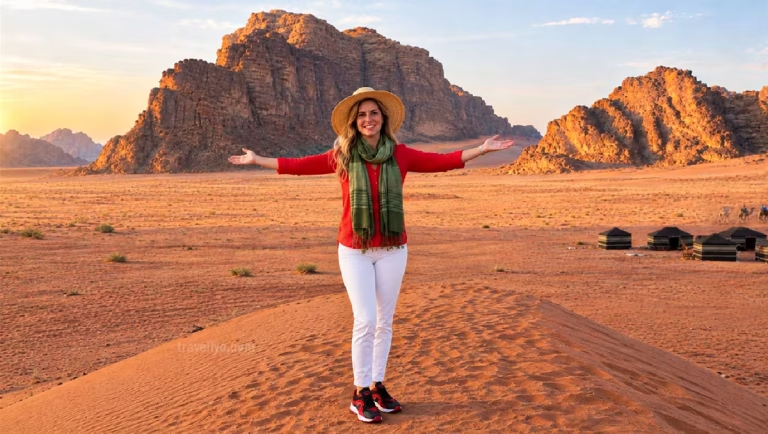
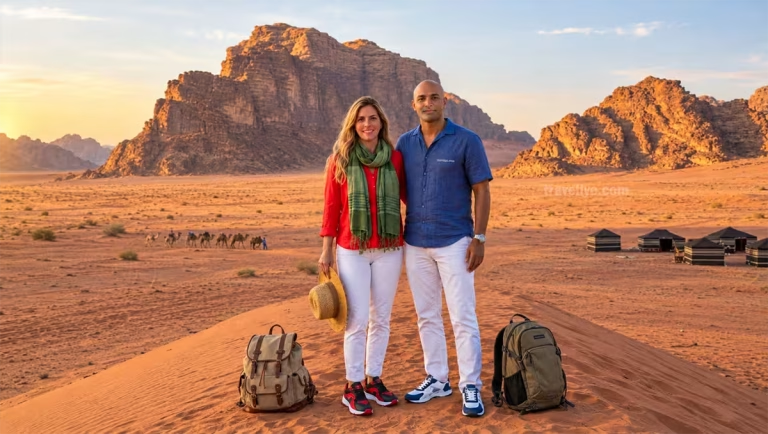
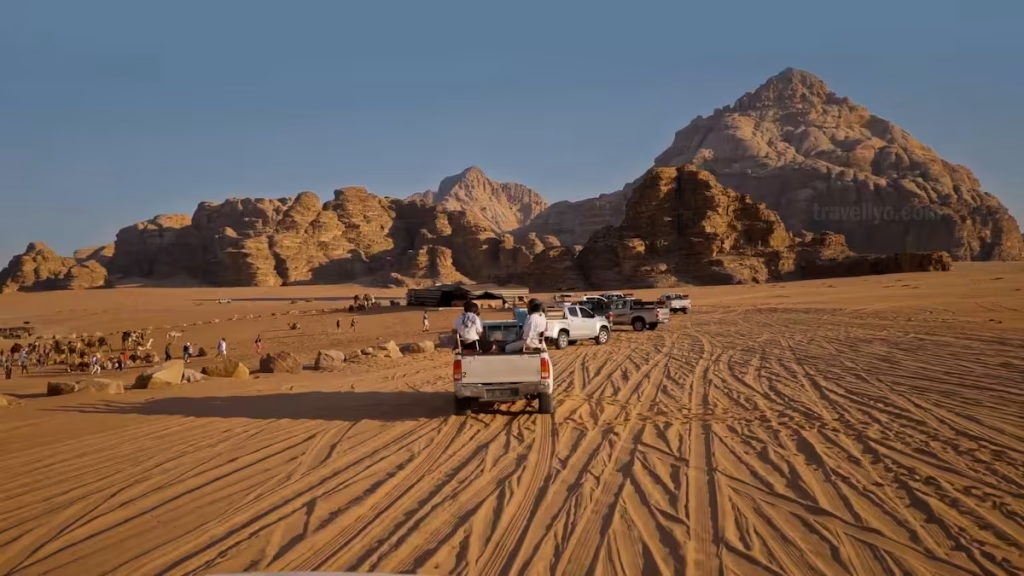
My wife Tania and I travelled there in late April 2026, roughly two months after the regional conflict began. We spent eight days on the road: Amman, Jerash, the Dead Sea, Petra, Wadi Rum, Aqaba, Dana and a few of the old castles in between (the full route is in our 8-Day Jordan Itinerary). Tania is a US citizen, so “is Jordan safe for American tourists” was never an abstract question for us.
Things have moved since we left, so I’ve rebuilt this guide from the current official advice, not from memory. I’ll cover what the governments say today, what the risks actually are for a tourist, and how I’d weigh the decision as a couple or a family.
01. So, Is Jordan Safe to Visit Right Now? The Honest Answer
Jordan remains open to tourists, and the main sites sit outside the areas governments single out, but the regional conflict makes the risk higher than usual and it can shift fast. As of 23 November 2026, the US says reconsider travel, Canada says take a high degree of caution, and the UK warns only against the Syrian border strip.
What do the governments say?
Here’s where the four biggest source markets stand today.
Country | Current advice | In plain English |
|---|---|---|
United States | Level 3, Reconsider Travel | The strictest of the four. Some areas carry a “do not travel” warning, including the Syrian and Iraqi borders, the northeastern towns of Mansheyat al Ghayyath and Ruwayshid, and designated Syrian refugee camps. |
United Kingdom | Against all travel within 3 km of the Syrian border | No blanket warning, but a clear note that the risk of sudden escalation is high. |
Canada | High degree of caution; avoid all travel within 5 km of the Iraqi and Syrian borders; avoid non-essential travel to Zarqa and western Mafraq | The most detailed breakdown by area. |
Australia | Reconsider your need to travel | If you go anyway, keep the stay short and skip unnecessary activities. |
What about Europe and Scandinavia?
Europe is split. Germany and Ireland ask travellers to avoid non-essential trips, while Sweden, Denmark and Finland ask for extra caution only.
Country | Current advice | In plain English |
|---|---|---|
Germany | Strongly advises against travel to the Syrian border area, the northeast and the Iraqi border region; advises against non-essential travel to the rest of Jordan (current as of 23 November) | The strictest in Europe, though short of a formal travel warning, which Germany keeps for Syria and Iraq. It also asks visitors to keep well away from US-linked sites. |
Ireland | Avoid non-essential travel (updated 16 April, still current in November) | Irish travellers are asked to avoid non-essential trips and follow local authorities. |
Sweden | Advises against non-essential travel only within 3 km of the Syrian and Iraqi borders (decision of 24 August) | The rest of the country carries no avoidance advice. |
Denmark | Extra caution; avoid non-essential travel to the Syrian and Iraqi borders (updated 22 June, still current on 20 November) | The rest of the country carries only a call for caution. |
Finland | Exercise special caution (updated 3 November) | Finland calls Jordan a stable tourist country, while warning that the regional war affects it and can disrupt flights. |
Norway | Travel warning lifted on 12 August | It had been reintroduced on 22 July. I couldn’t confirm whether anything changed after the autumn attacks. |
I haven’t checked France, the Netherlands or other EU countries, so look up your own government’s page.
Is Jordan considered a high-risk country?
It depends whose advice you read. By the US and Australian scale, yes, it sits at the “reconsider” level. The UK and Canada are less severe. None of the four tells people to avoid Jordan entirely. That’s different from neighbouring Syria and Iraq, which sit in the highest tier of the US system.
Why the advice differs
Part of the gap comes from who is being targeted. The UK notes that Iran has said it intends to hit places linked to the US and Israel, including businesses and institutions. That weighs more heavily on American travellers than on others.
A note on terrorism
The risk isn’t only missiles. On 23 October, gunmen opened fire during a funeral at a Greek Orthodox church in the village of Hmoud, in Karak Governorate, killing nine people and wounding dozens more. Authorities called it terrorism, arrested three suspects within days, and later charged them with terrorism offences. Three men were sentenced to death in November. The US Embassy said security was stepped up at malls, foreign embassies and other locations, and Jordan said it struck militant hideouts in southern Syria in response. The victims were mourners, not tourists, and attacks on places of worship in Jordan are rare. On 5 November, a security officer guarding the Sri Lankan Embassy in Amman was stabbed to death and another officer was wounded. Authorities also called that a terrorist attack and arrested the suspect, though early reports said it wasn’t clear whether the two were linked. Both targeted Jordanians, not visitors, but together they show why the advisories mention terrorism at all. I wouldn’t ignore it, and I wouldn’t let it be the only thing you read.
Is Jordan safe for American tourists?
This is where I’d be most careful. On 7 November the US Embassy in Amman asked Americans in the region to stay especially vigilant, citing threats from Iranian-backed Houthis and efforts to target US officials. The alert also asked people to enrol in STEP and keep their phones charged and loaded with emergency numbers. Earlier embassy guidance asked Americans to avoid demonstrations, stay alert at places associated with the United States and keep a low profile.
A Level 3 advisory isn’t a ban. It tells you to weigh the risk yourself. I’ll describe how that played out for Tania later in this guide. For now, the practical point is insurance. The UK warns that travelling against official advice can invalidate your policy, and Australia and Canada both say your cover should include medical evacuation. I’m not an insurance or legal adviser, so get the answer from your insurer in writing.
02. The Regional Conflict: What It Means for Tourists
Is Jordan safe from war?
Jordan hasn’t been a battlefield the way Syria or Iraq has, and daily life and tourism carry on. But it has been repeatedly targeted by Iranian missiles and drones during the 2026 conflict. Nearly all were intercepted, so the practical risk is falling debris more than direct hits.
The numbers show why governments are cautious. In the first week, Jordan said 119 Iranian missiles and drones were aimed at targets inside the country, not just passing over it, and 14 people were injured. By late March, the military said 240 had been directed at Jordan, with 222 intercepted. The police and civil defence had handled 414 debris incidents, and the 24 injured had all recovered. That was the picture a month before Tania and I flew in. By the early-April ceasefire, the army put the total at 281 missiles and drones, most of them intercepted. Our trip fell in the lull that followed.
It didn’t end there. On 18 July, Jordan’s air defences shot down ten Iranian missiles early in the morning. On 9 September, Jordan’s armed forces said Iran fired 20 ballistic missiles towards the country. Eighteen were intercepted, two landed in unpopulated areas, and no casualties were reported. Iran said it was aiming at the US air base at Azraq, which sits in Zarqa Governorate, the same area Canada tells travellers to avoid for non-essential trips. I couldn’t find a confirmed missile attack after early September in the sources I checked, but that doesn’t mean the risk has gone. Every government I read calls the situation unpredictable.
The UK’s advice on this is blunt and useful. If you’re told to shelter, stay inside, ideally in an interior stairwell or a room with few windows. The greatest risk is debris from interceptions, and you should never touch fragments or unusual objects. After the 9 September attack, specialised military teams secured the places where debris fell. Canada adds that you should be especially alert around Aqaba’s port and airport.
Is Jordanian airspace closed?
No. Jordan hasn’t closed its airspace, and its airports are operating, but flights can be cancelled or rerouted at short notice.
On 2 September, Jordan’s civil aviation regulator said traffic was continuing and 28 airlines were operating regularly. Disruption still happens. EASA, Europe’s aviation safety agency, issued a conflict-zone bulletin for Jordan’s airspace, rating the risk as medium and asking operators to be ready for short-notice instructions, but not to avoid the airspace. Some European airlines still pulled back: in September, Lufthansa Group’s Amman suspension ran through 24 October, and British Airways had suspended some Amman services. I couldn’t confirm what applies now, so check the bulletin and your airline before you book.
If you do go, the lessons are simple:
- Book flexible or refundable fares.
- Leave a buffer day before any long-haul connection home.
- Avoid tight connections through the wider region.
- Keep your airline’s app and your own government’s travel alerts switched on (STEP, for US citizens).
03. What It Was Actually Like: Our April Trip and Other Recent Travelers
Our April trip
Flights. The biggest disruption we noticed was in the air, not on the ground. Some flights, Qatar Airways among them, were being cancelled, but Royal Jordanian still offered alternative routes. If I had to name the main risk of the whole trip, it would be flight changes. That’s why I’d book flexible fares.
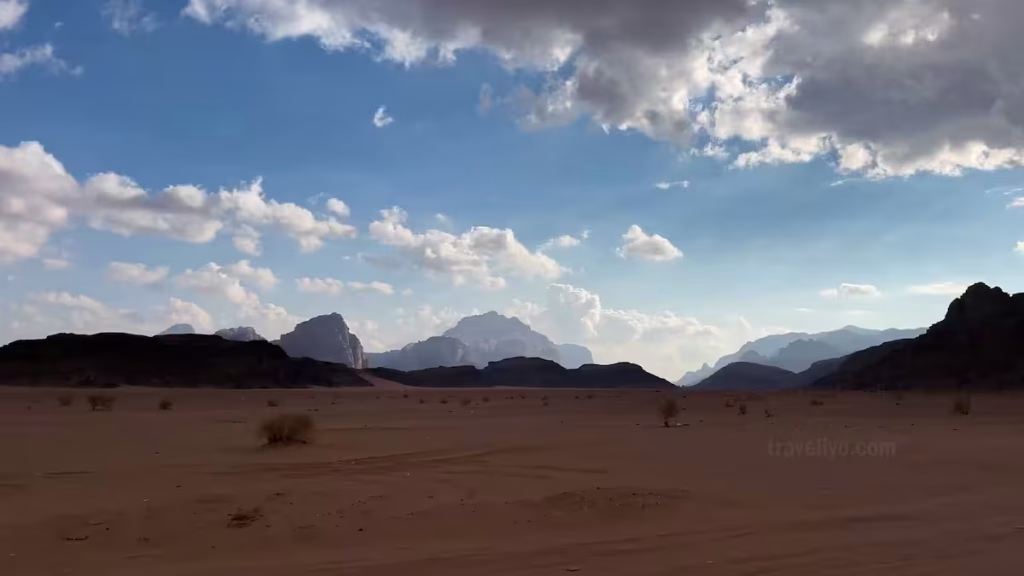
On the ground. Amman, Petra and Wadi Rum were all open. An Uber driver in Amman told us visitor numbers were lower than usual, and it made getting around more comfortable. To both of us, it felt calm and safe, and people were very friendly.
An American’s view. In Wadi Rum we met an American traveller who said the Level 3 advisory sounded more alarming than what they were experiencing, and that they’d had no problems in Amman, Petra or Wadi Rum.
What we took from it. Travel insurance felt important to us, and so did flexible bookings.
That’s one couple’s experience in one month, during the lull after the early-April ceasefire, and I’d treat it that way. We left before the July and September missile attacks and the October church shooting in Karak, so conditions have changed since.
What other recent travelers report
I also read first-hand accounts from other people who visited during the conflict, and I’m paraphrasing them.
Many describe feeling safe and surprised by the quiet. Adventure-trip reviewers in September said they were hesitant because of the regional tensions, but felt totally safe and found Petra, Wadi Rum and the Dead Sea unusually peaceful. In May, AFP spoke to a visitor at Petra who called Jordan very calm despite the war around it.
The quiet comes from a collapse in visitor numbers. A travel blogger writing during the conflict said a local friend who runs Petra tours had gone from thousands of daily visitors to under a hundred.
Some saw the conflict directly. One tour reviewer wrote that missiles were flying overhead between Yemen and Israel while they were in Aqaba, yet felt very safe in Jordan overall.
The real risk is debris. The same blogger noted that falling interception debris is the main danger if you’re outside during a siren, and that going indoors largely removes it. That matches the official shelter advice above.
How much to trust these accounts
- Most are positive. Travellers who had a bad time are less likely to write about it.
- Several come from tour-operator review pages or adventure-company magazines, which have a commercial interest in reassurance.
- Most were written before the 23 October Karak attack.
04. Are Petra, Wadi Rum and the Main Tourist Sites Safe?
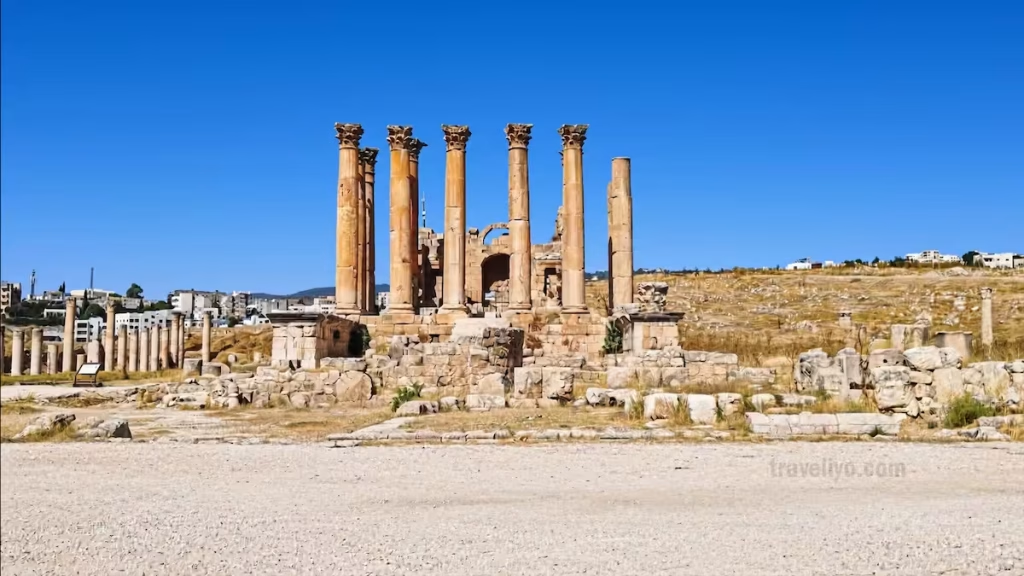
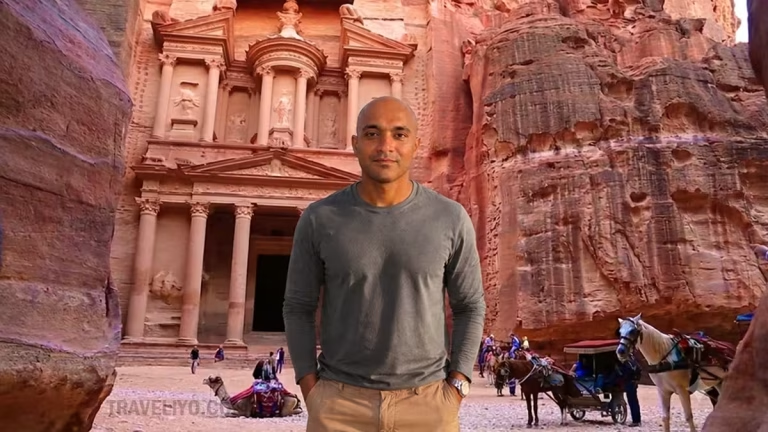
None of the four advisories I read names Petra, Wadi Rum, the Dead Sea or central Amman as places to avoid. The areas they do single out are mostly border regions. Karak is the one place on a typical route that needs a fresh look.
Place | In the advisories | Worth knowing |
|---|---|---|
Amman | Not named | Demonstrations often follow Friday noon prayers and can close roads, and Germany asks visitors to be especially alert near the closed Israeli embassy. A security officer was killed in a stabbing outside the Sri Lankan Embassy on 5 November. Avoid crowds. |
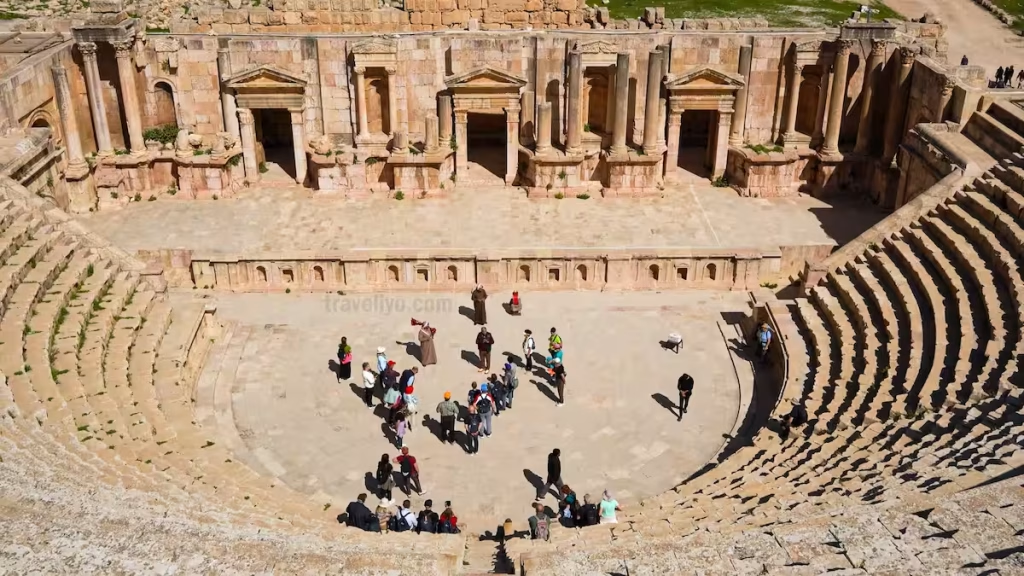
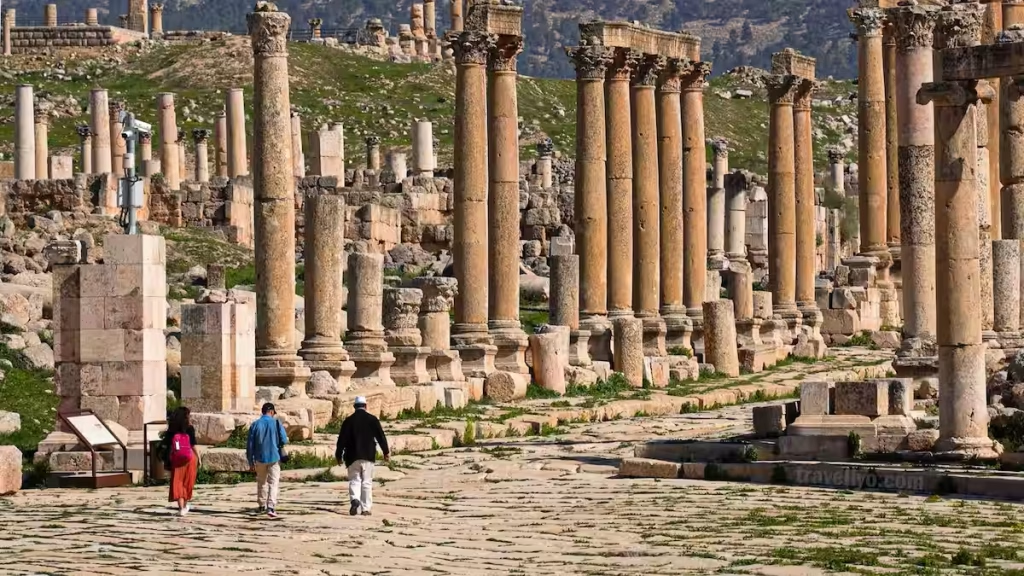
Jerash | Not named | Canada lists the Baqa’a camp near Ein Al-Basha, on the Amman–Jerash highway, as a demonstration site. Use a driver and stay on the main road. |
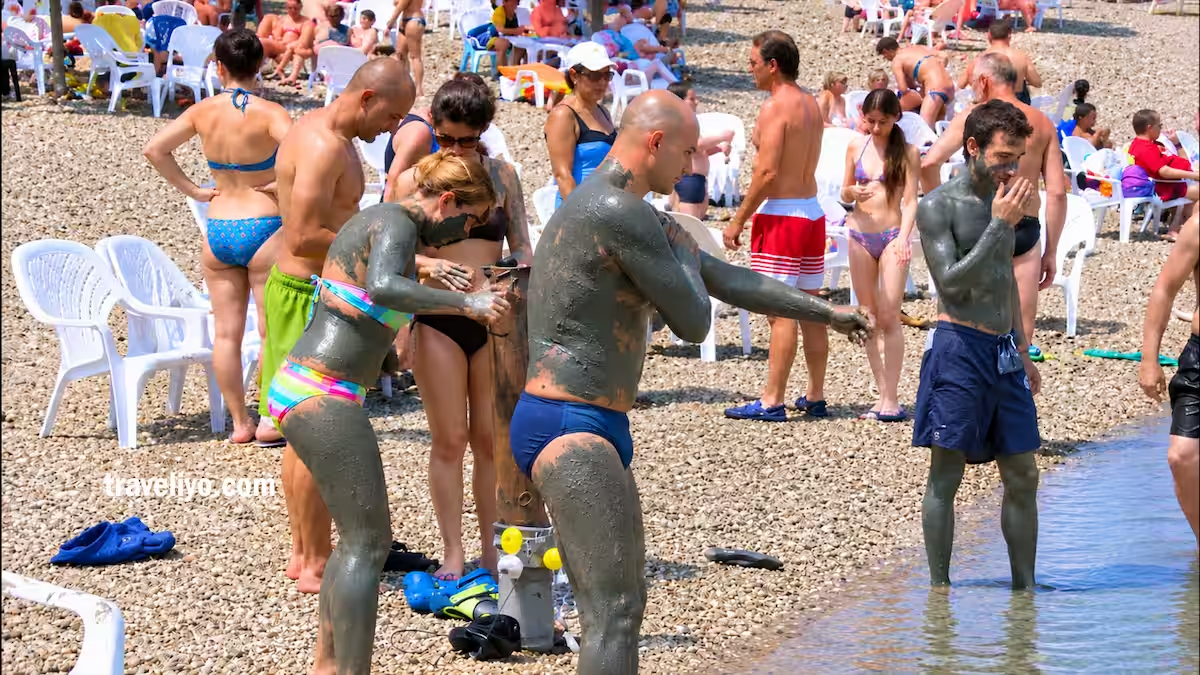
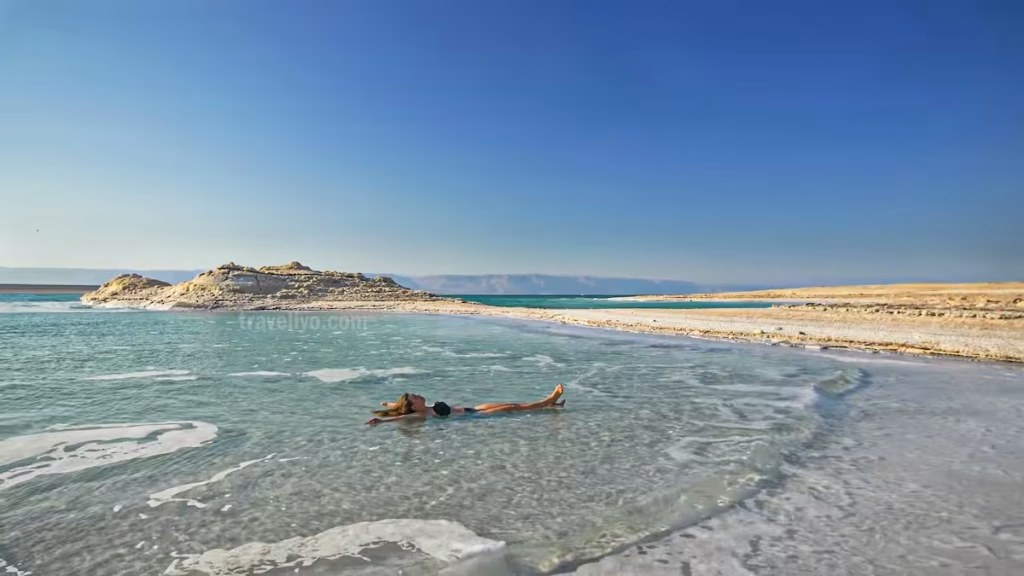
Dead Sea | Not named | Mainly a sun and heat issue. |
Petra | Not named | Flash floods can happen outside the rainy season: about 1,785 tourists were evacuated from Petra in May 2025. Use only licensed guides. |
Wadi Rum | Not named | Remote desert roads are risky, and crime has been reported in isolated areas. Go with your camp’s guide and carry plenty of water. |
Aqaba | Not a no-go zone | Canada asks for vigilance around Aqaba’s port and airport because of possible missile or drone activity. |
Karak / Al Karak Castle | Not named in what I read | On 23 October, gunmen attacked a church funeral in the Karak Governorate village of Hmoud, and authorities called it terrorism. Karak also saw a 2016 attack that reached the castle, and Canada lists it among cities where large demonstrations can occur. Check the latest before adding it to your route. |
Where I’d skip
The lists differ by government, so check your own. Common to most: the Syrian and Iraqi border regions and the far northeast (Germany and the US both name it, with the US listing the towns of Mansheyat al Ghayyath and Ruwayshid), plus Zarqa and western Mafraq, where Canada advises avoiding non-essential travel. None of these are on the classic tourist circuit. If you’re planning stops, see our guides to Petra, Wadi Rum, Amman, Jerash, Aqaba, the Dead Sea and Al Karak Castle.
05. Everyday Risks: Crime, Roads, Flash Floods and Heat
For most travellers, the ordinary hazards matter more than the headlines. They’re also the ones you can control.
Crime and scams. Canada calls the crime rate low by regional standards, with pickpocketing and bag-snatching at tourist sites and in crowds. Smartraveller adds that scammers work tourist areas and that cards can be skimmed. Use cards at reputable places, and keep your passport locked in the hotel safe.
Roads. This is the one I’d take most seriously if you plan to drive. Road accidents are common, rural roads are dangerous at night because of stray livestock and unlit vehicles, and road rage happens. Canada advises against driving after dark and says ride-sharing apps are generally more reliable than street taxis. (More in our upcoming Driving in Jordan guide.)
Alcohol. Several people died in June 2025 after drinking methanol-contaminated alcohol. Only drink branded, sealed bottles.
Celebratory gunfire. It’s illegal but still occurs, and sometimes injures people. If you hear it, stay indoors and away from windows.
Weather and seasons
Season | Main safety issue |
|---|---|
Winter (Nov–Mar) | Flash floods, rock falls and landslides, mostly in wadis, with snow at higher elevations including Amman. |
Spring (Mar–May) | Flash floods can still happen outside the rainy season, as at Petra in May 2025. |
Summer | Heatwaves (the health ministry issued a warning in late July 2026) and little shade on many trails, so carry water and sun protection. |
All year | Dust storms in desert areas can cut visibility. |
Canyon walks like our Wadi Mujib Canyon trip are the most exposed to flood risk, so check conditions before you go. Our when to visit Jordan guide covers timing in detail.
06. Is Jordan Safe for Women, Couples and Families?
Do female tourists have to cover up in Jordan?
None of the government advice I read requires tourists to cover their hair. All of it asks for modest dress. A local operator suggests covering shoulders and knees, which is also more comfortable in the sun. Canada advises conservative dress and discreet behaviour, and says to avoid public displays of affection, including holding hands. Our Jordan dress code and Jordan packing list guides go into detail.
Women travelling alone or as a pair
Smartraveller reports harassment such as leering, unwanted contact and stalking, and says foreign women have reported sexual assault. It also warns that scammers often target single women. Canada recommends travelling in groups, in daylight, and sitting in the back seat of taxis. Booking rides through your hotel or an app is the simplest way to follow that.
Couples
For a married couple, the practical points are manners, not safety. Canada lists adultery and extramarital sexual relations among illegal activities in Jordan, so unmarried couples should be discreet and check hotel policies in advance.
Families with children
- Medical care: Amman has high-quality private care, but services outside major cities are basic, so insurance with medical evacuation matters more with kids.
- Camels: Avoid raw camel milk and undercooked camel meat, since MERS cases have been reported in Jordan. Wash hands after touching animals.
- Alerts and shelter: Jordan has been testing a national emergency mobile alert system, so keep phones charged. Talk through the shelter steps with your kids before you travel.
| Pros | Cons |
|---|---|---|
Couples and families | Main sites sit outside the named risk zones; good private medical care in Amman | Possible flight disruption; conservative dress and behaviour expected; summer heat on shadeless trails |
07. Should You Go? Who Should Wait, and How to Prepare
If you do go, the pattern that works is simple: stay flexible, be insured, stay informed, and keep to the main tourist circuit. If any of those four is missing, I’d wait.
How I’d think about it
You’re probably fine to go if… | Think about waiting if… |
|---|---|
Your dates and fares are flexible or refundable | You have a tight schedule or tight flight connections |
Your insurer has confirmed in writing that Jordan is covered | Your policy excludes travel against government advice |
You’ll stick to Amman, Petra, Wadi Rum, the Dead Sea and Aqaba | You plan to drive remote roads or visit border regions |
You can stay calm and follow shelter instructions | You’re travelling with an infant or someone who needs regular medical care |
You accept that a flight might be cancelled | You hold a US passport and want to follow your own government’s advice strictly |
Insurance is the point I’d press hardest. The UK warns that travelling against FCDO advice can invalidate your policy. Australia says to read your policy carefully, that it must cover medical evacuation, and that if you can’t afford travel insurance you shouldn’t travel. Canada also says to make sure your cover includes medical evacuation and hospital stays. I’m not an insurance or legal adviser, so get the answer from your insurer in writing.
Preparation checklist
Before you book
- Read your own government’s current advice. Travellers from EU and Scandinavian countries should check their foreign ministry too, since I haven’t verified those.
- Choose flexible fares and leave a buffer day before long-haul flights home.
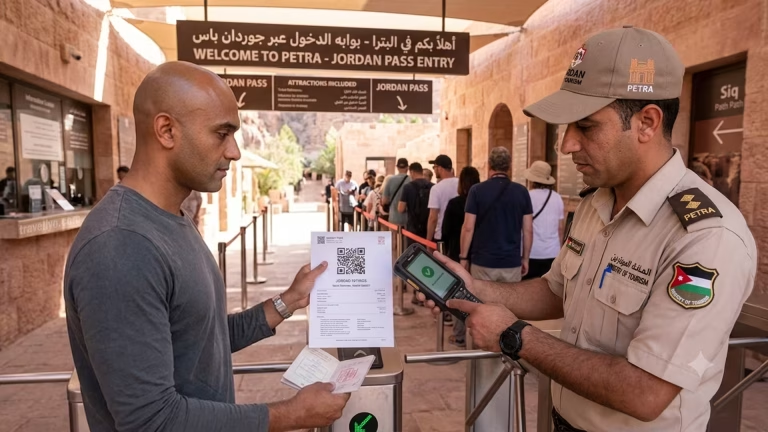
- Sort your Jordan Pass and visa early.
Before you fly
- US citizens: enrol in STEP. Canadians: use Registration of Canadians Abroad. UK travellers: sign up for FCDO email alerts. Germans: join the Krisenvorsorgeliste (Elefand). Finns: file a travel notification with the foreign ministry.
- Save your embassy’s number. The US Embassy in Amman can be reached on +962-6-590-6000, with an after-hours emergency line at +962-6-590-6500. Local emergency services answer on 911.
- Pack a power bank and keep documents in digital and paper copies. See our Jordan packing list.
- Leave drones at home, since they’re restricted in Jordan.
On the ground
- If told to shelter, go to an interior stairwell or a room with few windows and away from external walls. Never touch fragments.
- Stay away from military or strategic sites, which may be targets or see falling debris.
- Don’t photograph military installations or damage. Penalties can be severe.
- Avoid demonstrations and large gatherings, especially after Friday prayers.
- Choose a hotel you’ve read recent reviews for. Our upcoming Where to Stay in Jordan guide will help, and Jordan Travel Tips covers the basics.
08. Frequently Asked Questions
09. So, Is Jordan Safe to Visit Right Now?
Here’s where I land. Jordan is open, its main sites are working, and many travellers go without trouble. But it’s not the same country, risk-wise, that it was a year ago. Missiles, flight disruption and the October church attack in Karak are real, and every government I read treats the situation as unpredictable.
If you can keep your plans flexible, your insurance in order and your route to the main circuit, a trip can still be worthwhile. If you can’t afford a cancelled flight or an insurance gap, I’d wait and check again in a few months. That’s not a verdict on Jordan. It’s a verdict on how much uncertainty your trip can absorb.
Whatever you decide, check your own government’s advice before you book and again before you fly. This guide was last checked on 23 November 2026, and I’ll update it as things change. If you’re planning a trip, start with our 8-Day Jordan Itinerary, Petra guide and Wadi Rum guide.
For more historical background, You can read the detailed article on touristjordan.com
Did this guide help you? when to visit jordan? Share your experience in the comments below – it will be very valuable for other travelers.