Exploring Shobak Castle in Jordan: A Quiet Crusader Fortress on the King’s Highway [Part 7 of 11]

After leaving Petra and beginning our long drive toward Amman via the historic King’s Highway, Taniya and I didn’t expect to make any major detours. The plan was simple—drive, take a few scenic breaks, and reach Amman by evening.
But somewhere along the winding mountain roads, we noticed something unusual on a distant hill.
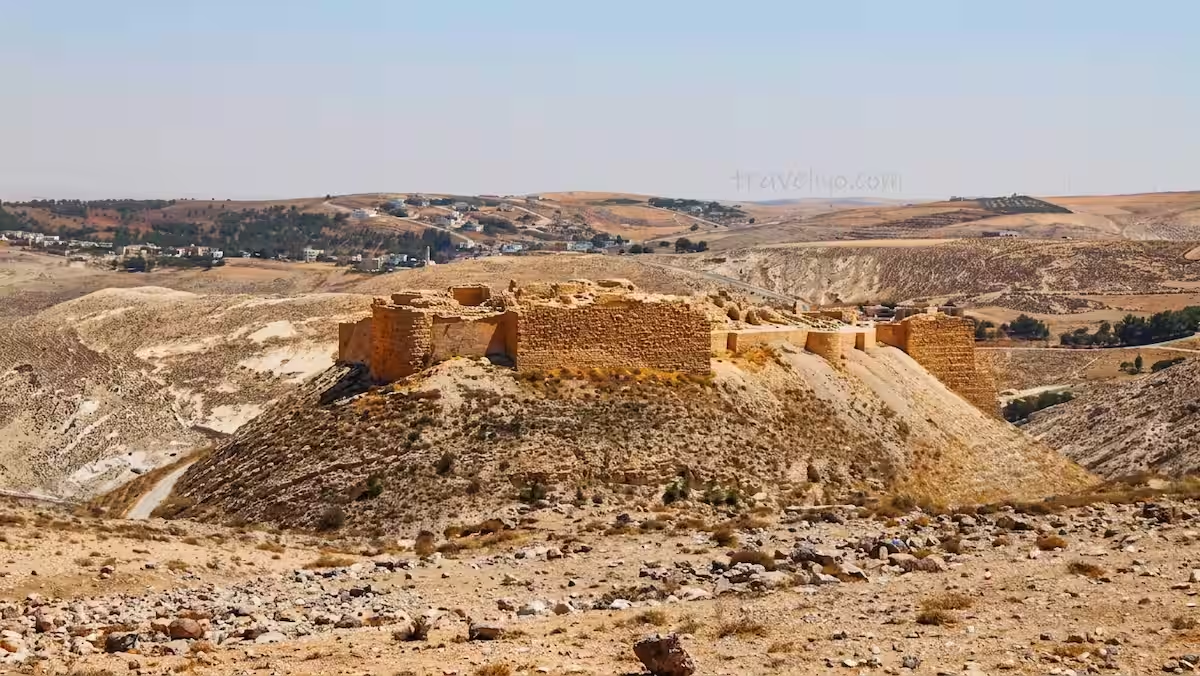
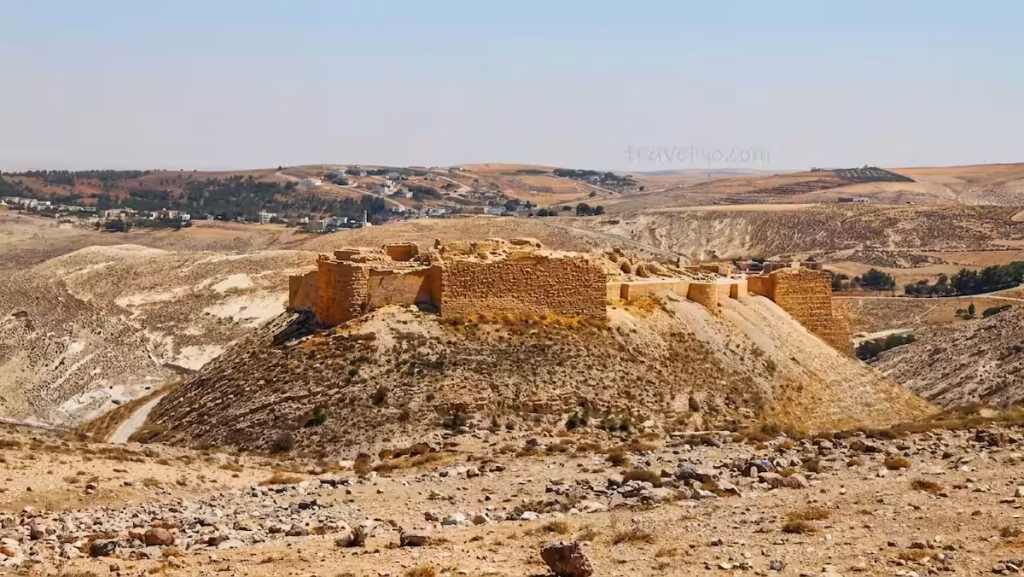
At first, it looked like just another rocky formation. But as we got closer, the structure became clearer—ancient walls, watchtowers, and ruins sitting quietly above the valley. That was our first glimpse of Shobak Castle in Jordan.
There were no big crowds, no long ticket queues, and no overwhelming tourist infrastructure like we saw in Petra. Just a fascinating historic site, almost unnoticed, waiting on top of a hill.
While we hadn’t originally planned a proper stop here, figuring out what to do in Shobak Castle in Jordan turned into a spontaneous adventure. After days of structured sightseeing, this felt delightfully different—more relaxed and authentic.
So, we pulled over, parked our car, and decided to explore.
(Planning your own Jordan road trip? Don’t miss how our journey began—read [Part 1: Exploring Amman] here!)
1. What is Shobak Castle? (Quick Overview)
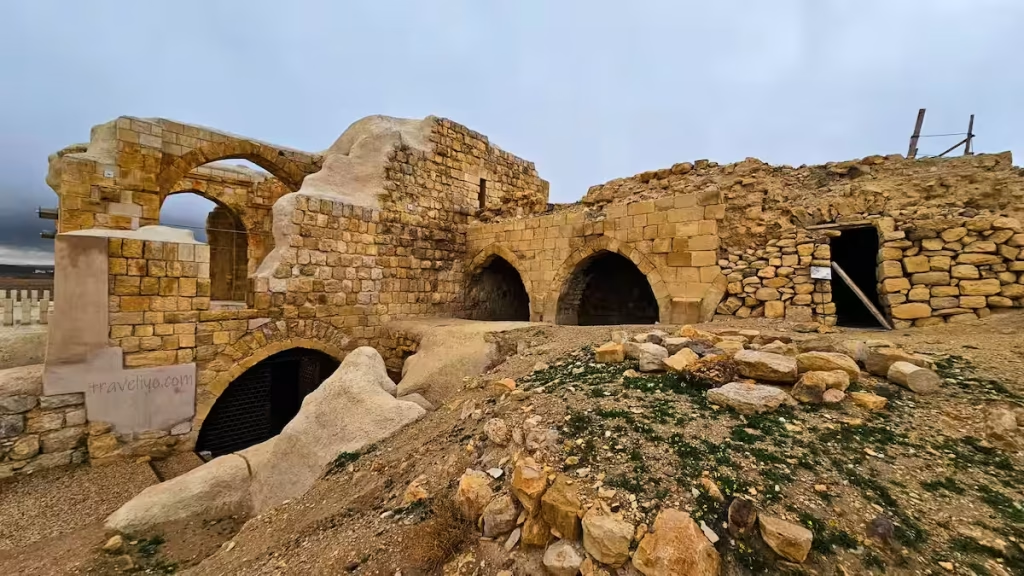
Shobak Castle (historically known as Montreal) is one of Jordan’s lesser-known but historically rich sites. Built in 1115 AD by the Crusaders under King Baldwin I of Jerusalem, it stands as a rugged reminder of a turbulent era.
Unlike the more famous monuments scattered across the country, Shobak Castle Jordan doesn’t try to impress with polished perfection. In fact, much of it remains in ruins—and that’s exactly what makes it so captivating.
Originally constructed as a strategic stronghold, it controlled vital trade routes and pilgrim paths that passed through this region. Its elevated position on a hill gave it a clear military advantage, offering wide visibility over the surrounding valleys.
Over the centuries, it changed hands multiple times—falling from Crusader control to the Islamic forces of Saladin, and later the Mamluks—gradually losing its military importance. Today, what remains is a quiet, partially preserved structure that reflects deep layers of history rather than a single frozen moment in time.
2. Why We Stopped Here (Our Real Experience)
To be honest, this wasn’t a strict “must-visit” on our itinerary.
After an early morning start from Petra, we were already a bit tired. The main goal was to reach Amman without too many delays. But long drives like this always need short breaks—and this fortress turned out to be much more than just a rest stop.
The decision to pull over was almost instinctive.
Taniya noticed the castle first from the passenger seat and asked,
“Are we stopping there?”
I hesitated for a second. After the sheer scale of Petra, climbing another set of ruins didn’t sound very exciting at that exact moment. But since it was right on the way, skipping it completely didn’t feel right either.
So we stopped. And I’m so glad we did.
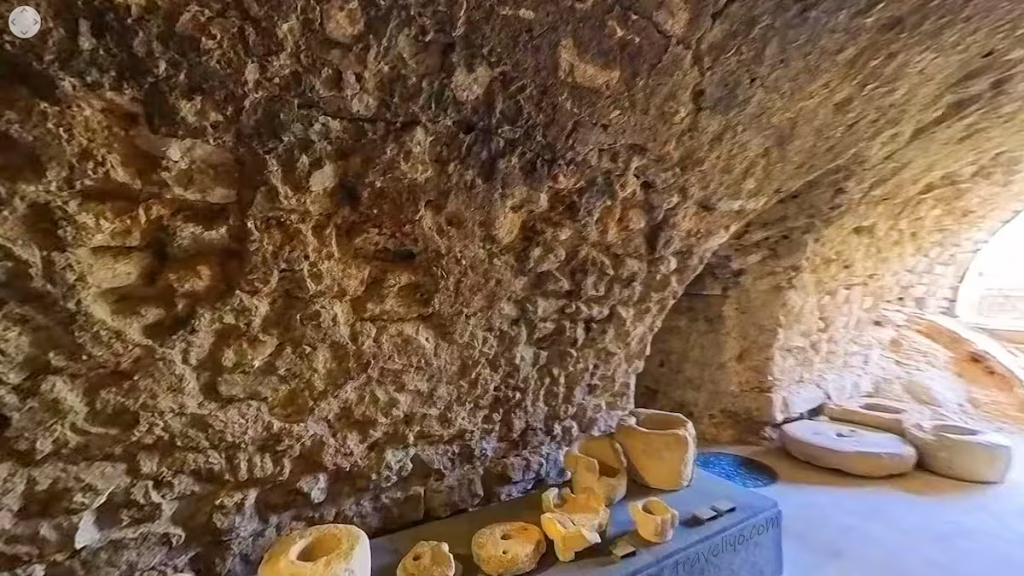
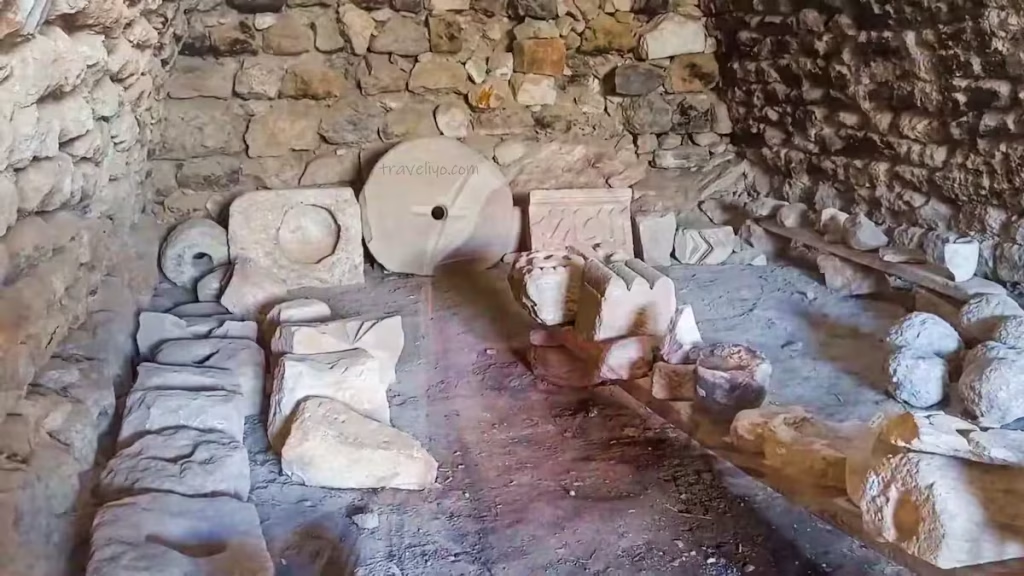
Unlike Petra, where everything feels grand and carefully managed, Shobak Castle felt quiet and slightly forgotten—in the best way possible. There were only a handful of other visitors. No pressure. No noise from local vendors. Just the desert wind and absolute silence.
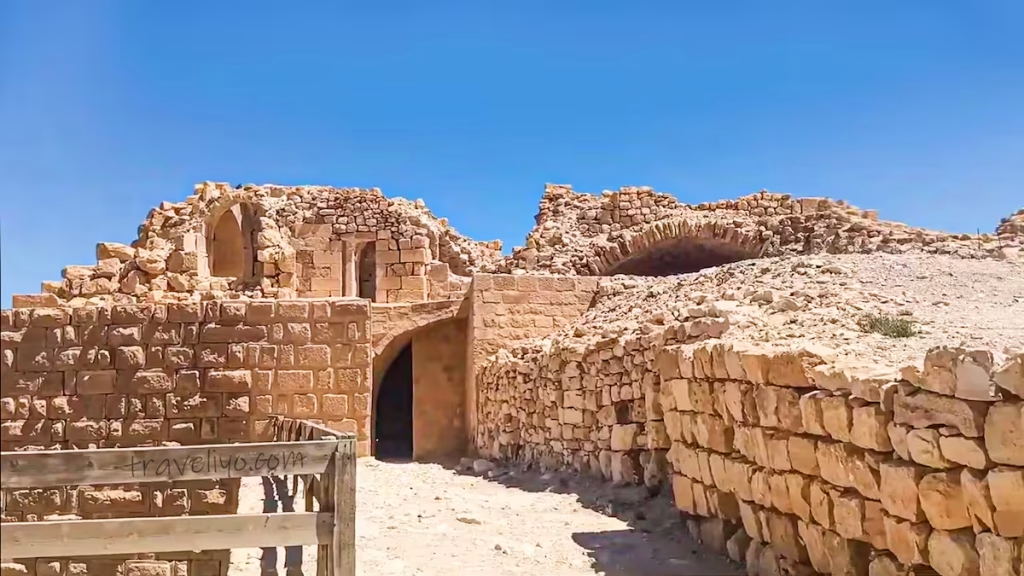
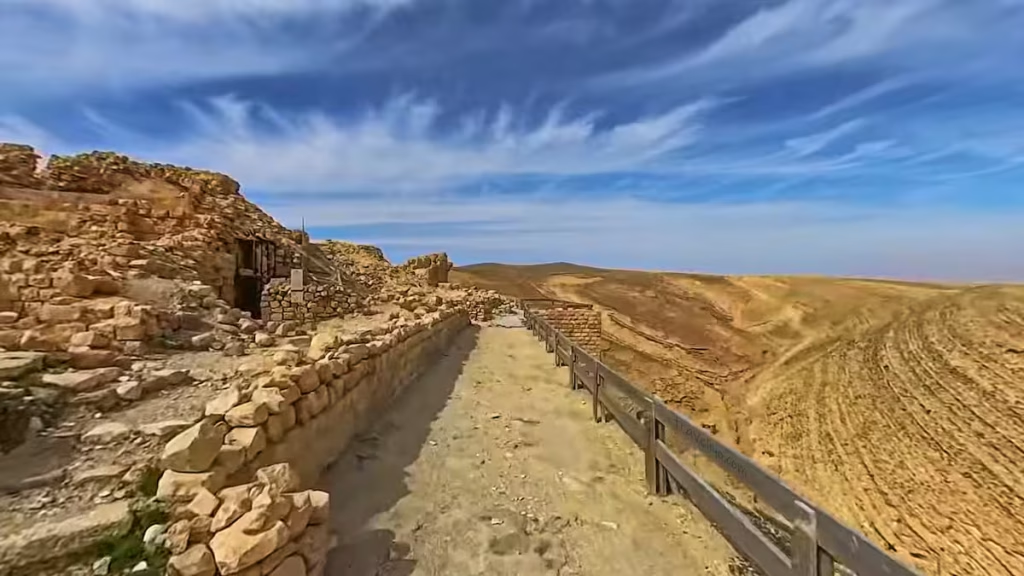
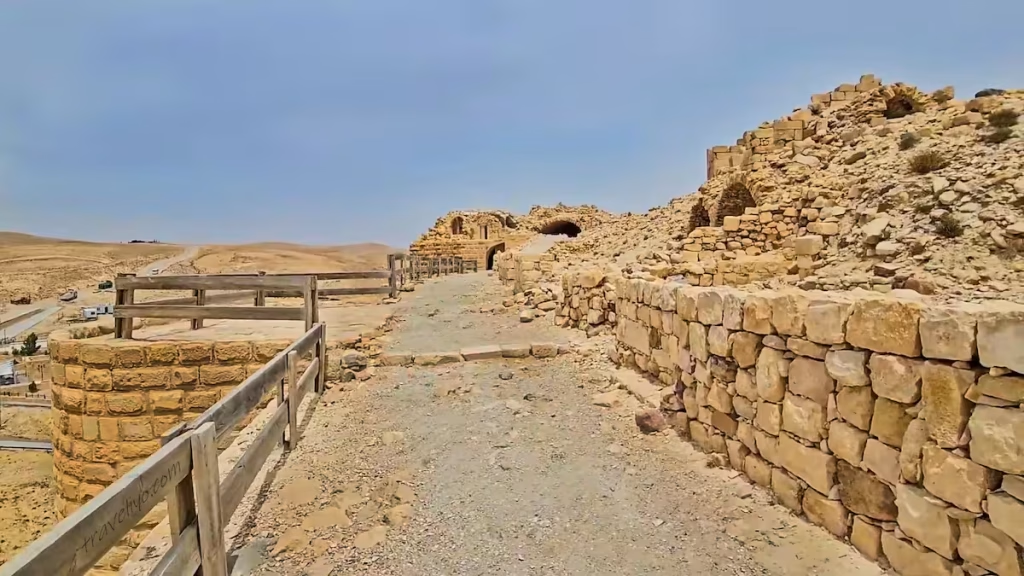
At one point, we found ourselves standing on one of the outer defensive walls, looking across the vast, empty landscape. No crowds, no distractions.
Taniya joked that this was the “low-effort version of Petra.”
She wasn’t entirely wrong! But that beautiful simplicity is exactly what made the stop worthwhile. It wasn’t overwhelming. It didn’t demand hours of our energy. It just gave us a short, meaningful, and peaceful break in the middle of a long journey.
3. Location & Route Context: Navigating the King’s Highway
If you are wondering where is Shobak Castle, it is located directly along the historic King’s Highway—one of the most scenic and culturally rich driving routes in Jordan.
If you are traveling from Petra to Amman, this fortress sits almost perfectly as a natural stop along the way.
Route Context (Our Journey):
- Start: Petra (Wadi Musa)
- Drive Time to Shobak: ~45 minutes
- Continue to Amman: ~3–3.5 hours
The road itself is not a massive modern highway. It’s narrower, featuring winding curves, elevation changes, and small, picturesque villages. But that’s exactly what makes a Jordanian road trip so incredible.
We noticed that after leaving Petra, the traffic reduced significantly. The surroundings became quieter, more rural, and ruggedly beautiful. Then suddenly, perched on a hill to the right, Shobak Castle appears.
There are no confusing detours—just a simple, well-marked turn off the main road leading up to the site. Parking is available near the entrance, and from there, it’s a short walk uphill.
From a travel planning perspective, adding this to your itinerary makes complete sense because it breaks up a long drive, requires minimal time, and adds unexpected historical depth to your journey.
4. What to Expect When You Visit
If you are searching for what to do in Shobak Castle in Jordan, the best approach is to embrace its wild, unpolished nature.
The Castle Experience: Raw and Unrestored
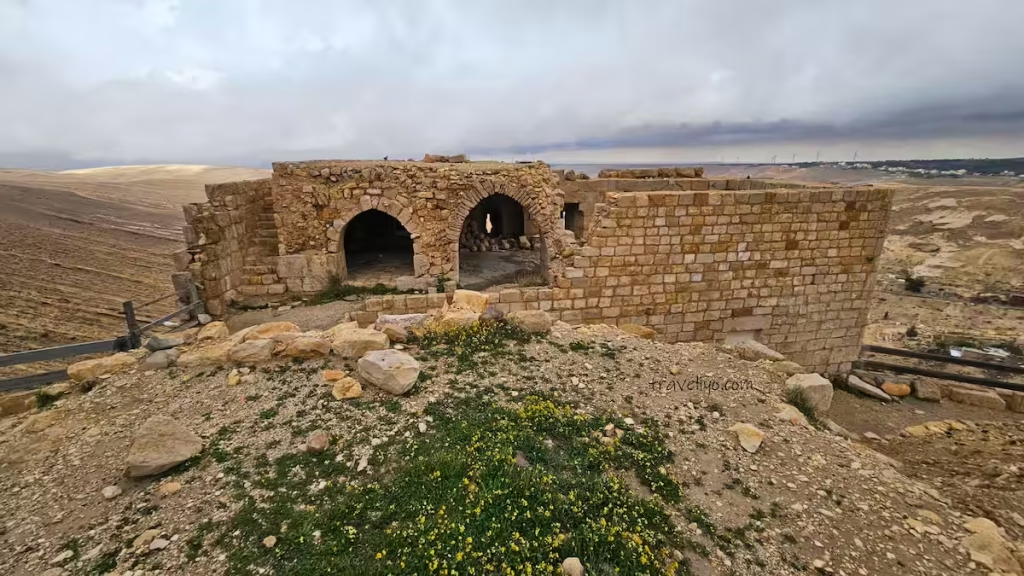
Once you step inside Shobak Castle Jordan, the first thing you’ll notice is how drastically different it feels compared to the heavily managed attractions in the country. This is not a fully restored, pristine tourist site.
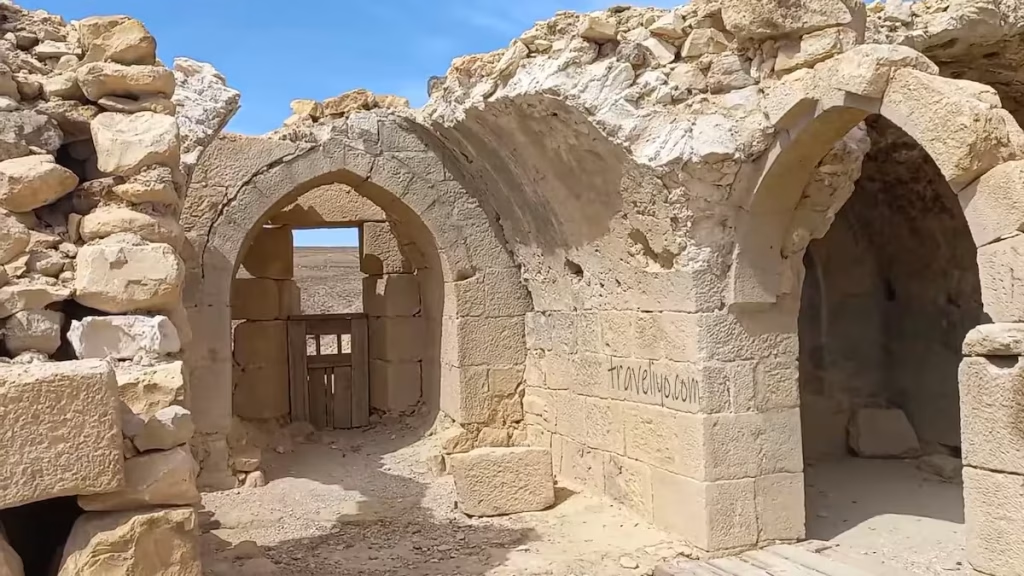
The stone pathways are uneven, some ancient staircases are heavily worn, and certain sections look partially collapsed. You won’t find polished signage or strictly structured visitor routes guiding your every step.
At first, this lack of organization can feel slightly disorienting. But after a few minutes, you realize—that’s the magic of it. You are essentially wandering through a genuine 12th-century fortress that wears its age proudly, free from heavy modern interference.
A quick heads-up on safety:
Some of the stone steps were much steeper than expected, and there are no modern safety rails in certain sections. Taniya stopped halfway up one particularly steep climb, caught her breath, and laughed,
“This place definitely didn’t upgrade to modern safety standards.”
She wasn’t wrong! So, do tread carefully, especially near the edges.
Hidden Details Inside the Ruins (Things We Didn’t Expect)
While casually exploring, we quickly realized this fortress has far more depth than it first appears. It’s easy to walk past some of its best secrets if you aren’t looking closely. Here is what to keep an eye out for:
The Secret Underground Tunnel
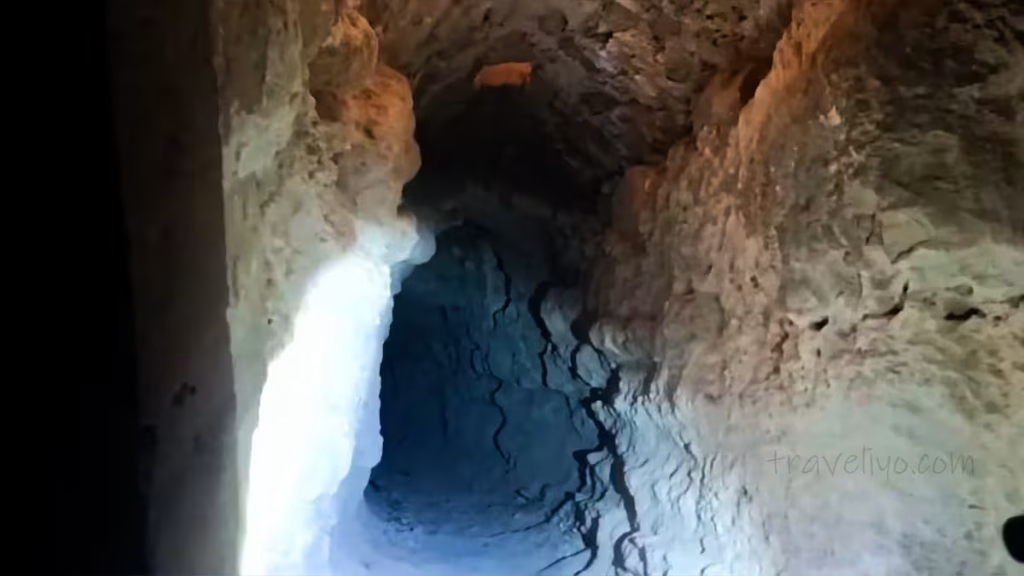
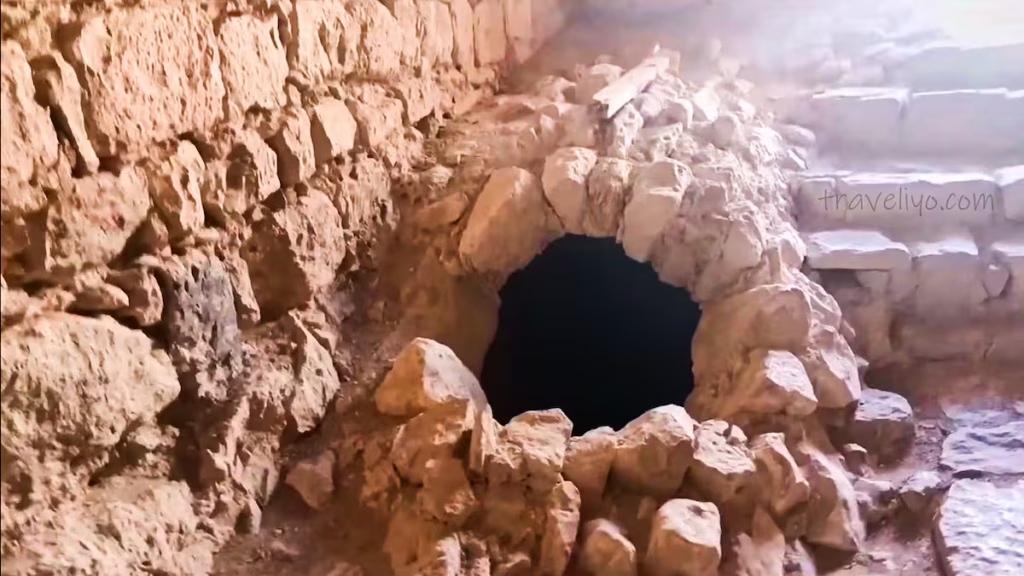
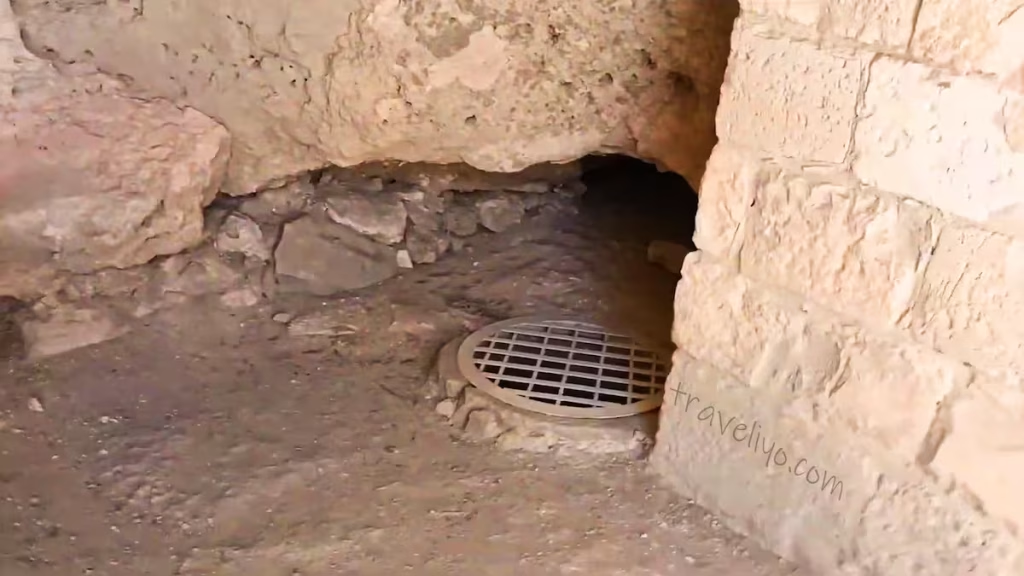
One of the most fascinating (and slightly intimidating) features of the castle is its hidden underground escape tunnel. Stretching deep into the hillside toward a subterranean water spring, it features over 300 stone steps carved directly into the bedrock.
We didn’t go all the way down. It was pitch black, extremely narrow, and required proper lighting. Taniya took one look into the gloomy descent and declared, “Nope… not today.” Fair decision! If you are feeling adventurous and want to tackle it:
- Bring a strong torch (a phone flashlight might not be enough).
- Wear sturdy, grippy shoes.
- Be prepared for a very steep, breathless climb back up.
Arabic Inscriptions (Layers of History)
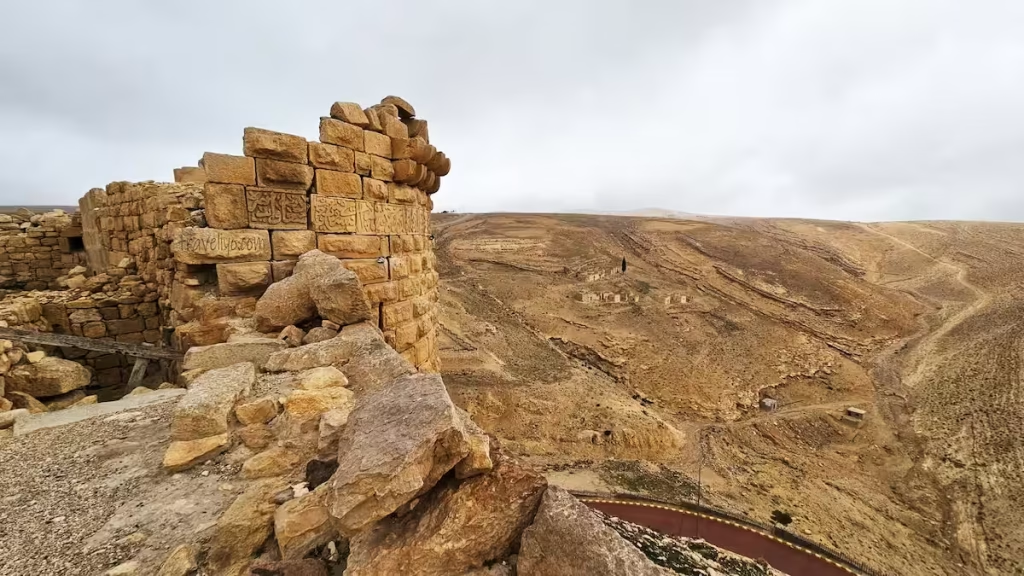
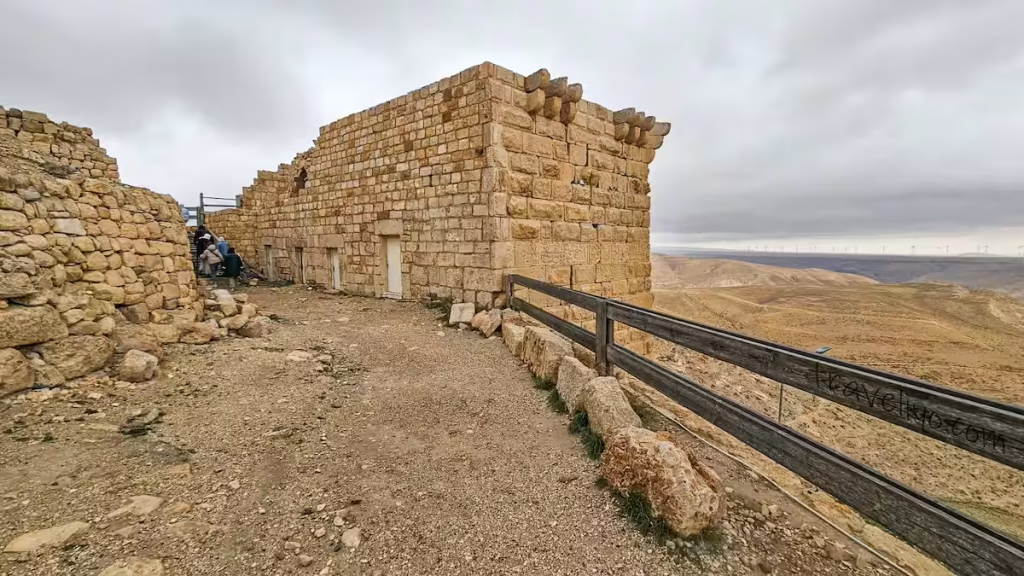
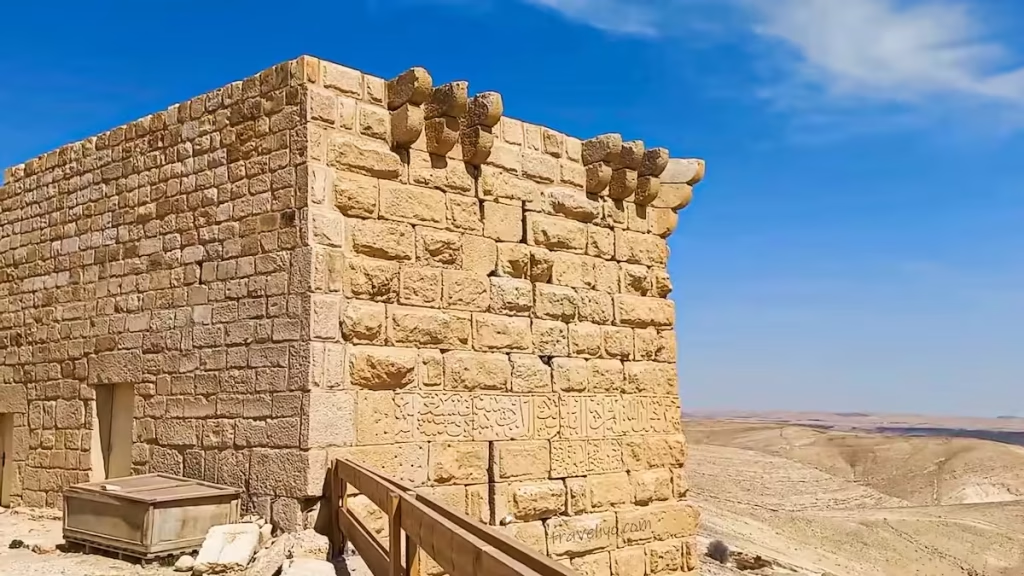
Keep an eye on the massive outer defensive walls. You will spot elegant Arabic calligraphy carved directly into the stone. These were not left by the Crusaders; they were added later by Islamic rulers, particularly during the Ayyubid period under Saladin’s successors. It’s a striking visual reminder that this castle wasn’t just built and abandoned—it was conquered, claimed, and reshaped by different empires.
The Forgotten Crusader Churches
Tucked away inside the ruins are the remains of two small Crusader-era chapels. They’re easy to miss if you’re just rushing through. While the architecture is simple, you can still easily make out the classic arched doorways and layout patterns typical of European Crusader design. Standing here gives you a fleeting glimpse into the daily lives of the knights who lived, prayed, and stood guard centuries ago.
Mamluk Additions (A Shift in Architecture)
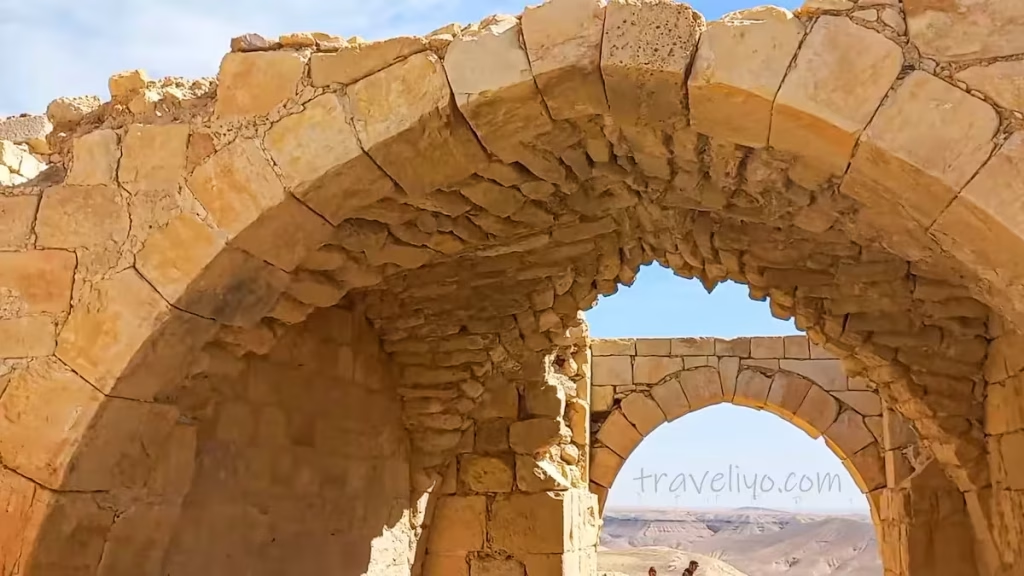
As you move through the complex, you might notice sections that feel architecturally different—more functional and slightly less focused purely on defense. These are the Mamluk additions. They include living quarters, administrative spaces, and a small school. It’s a subtle contrast, but fascinating once you spot it.
Panoramic Views (The Real Highlight)
Even with the rich historical details, the most memorable part of our visit was simply the view. From the highest vantage points on the ramparts, you are treated to sweeping, unobstructed views of the dry, rugged valleys stretching endlessly into the distance, with the King’s Highway cutting through the landscape.
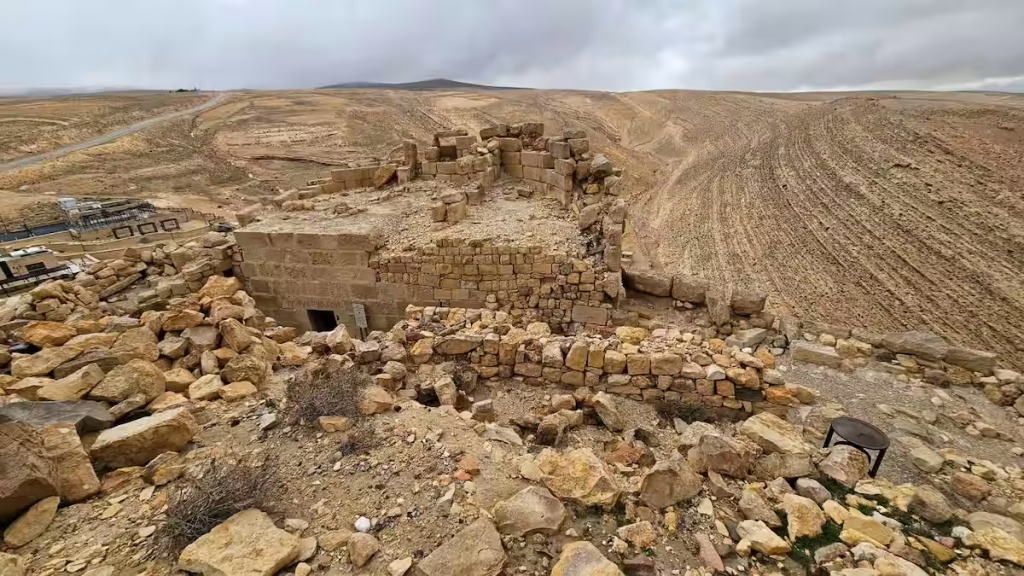
There are almost no signs of modern development. We spent far more time here than we expected—not because there was an overwhelming amount “to do,” but because it was one of the few places on our entire trip where the world felt completely, peacefully still.
5. Time Needed & Practical Info
One of the biggest advantages of stopping here is how perfectly it fits into a busy travel schedule.
How long Shobak Castle requires:
For most travelers, 30 to 45 minutes is more than enough time to soak in the atmosphere, take photos, and explore the main ruins. You can extend it to an hour if you plan to brave the 300-step underground tunnel, but generally, this is a highly efficient stop.
Practical Details for Your Visit:
- Parking: Easily available right near the entrance (usually free or for a very minimal cost).
- Entry Fee: Very affordable, around 1–3 JOD (and often included if you have the Jordan Pass).
- Facilities: Extremely limited. Do not expect extensive tourist infrastructure here.
Crucial Tip: We didn’t find any proper food options or comfortable rest areas. It is highly recommended to carry your own drinking water and snacks in your car, especially if you are traveling during the scorching summer months.
Overall, this stop works best as a brief, purposeful break—not a half-day destination, but a fantastic way to add variety to your long drive.
6. Is It Worth Stopping? (Our Honest Opinion)
This is where setting the right expectations matters. Shobak Castle in Jordan is not on the same epic scale as Petra. It’s smaller, less maintained, and far less dramatic.
So, the real question isn’t “Is it the most amazing site in Jordan?” but rather, “Does it make sense for your road trip?”
✔️ It is absolutely worth it if:
- You are already driving along the scenic King’s Highway.
- You want a short, quiet historical stop to stretch your legs.
- You enjoy exploring less touristy, raw ruins.
- You need a meaningful break during the long drive toward Amman.
❌ You might want to skip it if:
- You are in a rush to reach the capital.
- You expect a fully restored, heavily guided attraction.
- You are experiencing severe “ruin fatigue” after days of exploring Petra.
For us, it worked beautifully. Not because it was mind-blowing, but because it fit perfectly into the rhythm of our journey.
7. Traveliyo Insider Tips (Quick Practical Advice)
To make your stop smoother and avoid minor hiccups, here are a few quick tips from our visit:
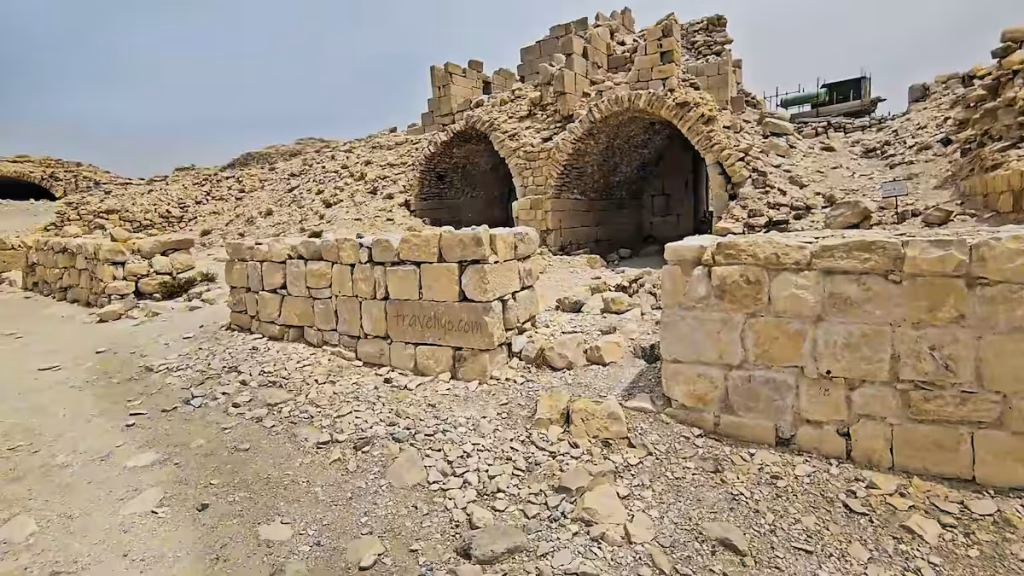
- Wear comfortable, grippy shoes: The uneven stone paths and old stairs require decent footwear.
- Carry your own water: As mentioned, there are almost no facilities available on-site.
- Visit during cooler hours: The midday desert heat can be uncomfortable since there is very little shade.
- Don’t rush: Even a quick 30-minute stop feels much better when you simply relax and take in the silence.
- Keep expectations realistic: Treat this as a simple, peaceful stop rather than a major highlight.
Taniya’s biggest takeaway summed it up perfectly:
“It’s a really good stop… mostly because we didn’t expect too much from it.”
8. Suggested Stop Plan (Micro Itinerary)
Here’s how to slot this naturally into your Day 6 travel plans:
- Morning: Leave Petra and get onto the King’s Highway.
- Mid-Morning: Enjoy the scenic drive through the mountains.
- Stop: Spend 30–45 minutes exploring the Shobak Castle ruins.
- Afternoon: Continue your drive smoothly toward Amman.
This keeps your road trip highly efficient while adding a nice dose of variety.
9. FAQs About Visiting the Ruins
1. Is Shobak Castle worth visiting?
Yes, especially if you are already passing through the area. It works best as a short, atmospheric stop rather than a standalone day-trip destination.
2. Where is Shobak Castle located?
It is situated directly along the King’s Highway, making it a very convenient detour. It’s about a 45-minute drive north of Petra.
3. Do you need a guide?
No, you can easily explore independently. There are no complex routes inside, allowing you to wander at your own pace.
4. How long at Shobak Castle do you actually need?
Around 30 to 45 minutes is more than enough for most visitors to see the main ruins, find the hidden tunnels, and enjoy the panoramic views.
5. Is Shobak Castle Jordan crowded?
Not at all. It is significantly quieter and far less crowded compared to major attractions like Petra or Jerash.
10. Conclusion + What’s Next
Shobak Castle in Jordan might not be the grand finale of a Jordanian adventure—but it certainly doesn’t need to be.
What it offers is something wonderfully different: a quiet pause between two major destinations. For Taniya and me, it was a simple, spontaneous stop that added unexpected depth to our road trip. No crowds, no pressure, no long checklists—just a short walk through centuries of history and a moment to slow down.
As we got back into the car and continued our journey, the road ahead felt less like a long transit and more like a true part of the travel experience.
👉 Next Up: Day 6 – Driving the King’s Highway back to Amman, featuring scenic viewpoints and our final stops along the way.
If you’re currently planning your Jordan itinerary and are unsure whether to include this fortress, drop your questions in the comments below—I’d be happy to help you decide based on your specific route!
Explore the Rest of Our Jordan Travel Series:
Make sure you haven’t missed any part of our Jordanian adventure:
- Part 1: Exploring Amman – The Capital City
- Part 2: The Ancient Ruins of Jerash
- Part 3: Floating in the Dead Sea
- Part 4: The Magic of Petra
- Part 5: A Night in the Wadi Rum Desert
- Part 6: Relaxing in Aqaba
- Part 7: Exploring Shobak Castle (You are here!)
- Part 8: Exploring the Dana Biosphere Reserve
For more historical background, You can read the detailed article on Wikipedia
Did this guide help you? Have you also visited Shobak Castle Jordan? Share your experience in the comments below – it will be very valuable for other travelers.