Ushuaia to Antarctica: 9 Key Moments From Our Real Expedition Experience


01. 🗓️ Why Travel from Ushuaia to Antarctica in January
Traveling from Ushuaia to Antarctica in January is considered the most dependable window of the entire season. The weather is comparatively stable (by Antarctic standards), wildlife activity is at its peak, and the daylight feels endless. For Taniya and me, January also offered the strongest chance of calmer seas when leaving Ushuaia, although “calm” in the Drake Passage is always relative!
January is peak season for most expedition operators, including Quark Expeditions, Hurtigruten, Oceanwide Expeditions, Ponant, and Atlas Ocean Voyages. These companies schedule their largest number of departures during this month because sea ice retreats just enough to allow safer access to the Antarctic Sound and the South Shetland Islands.
For our adventure, Taniya and I selected Quark Expeditions’ Ocean Adventurer after comparing ship size, departure dates, and safety records. We wanted a medium-sized expedition vessel—large enough to feel stable, yet small enough to keep landings efficient. Ushuaia’s role as the “Gateway to Antarctica” felt absolutely real the moment we stepped into the port area. Almost every traveler there was preparing for the same dream journey.
January also meant comfortable temperatures during landings—usually between –2°C and +4°C. That tiny difference matters when you’re trying to take photos while balancing on a Zodiac boat. It also meant higher chances of seeing penguin chicks, moulting seals, and blue sky over the Antarctic Sound.
Another reason we chose this month was the reduced risk of itinerary cancellations. Even though nothing in Antarctica is guaranteed, operators repeatedly mentioned that January–February offers the highest successful landing rates. Since our first planned destination was Deception Island, choosing the period with the best accessibility made perfect sense.
January, therefore, became the ideal time to begin our life-changing Ushuaia to Antarctica adventure—balanced, reliable, and full of wildlife activity without the harsh early-season snowstorms.
02. 🎒 Preparing for the Journey: Practical Steps That Actually Matter
Preparing for a journey from Ushuaia to Antarctica is less glamorous than Instagram suggests. It involves paperwork, gear stress, backup plans, and a surprising amount of uncertainty. Here’s how Taniya and I prepared, and what actually mattered along the way.

Choosing the Right Cruise Operator
. The first major decision was selecting a ship. We compared:
. Quark Expeditions – Ocean Adventurer & Ultramarine
. Hurtigruten – MS Fridtjof Nansen
. Oceanwide Expeditions – MV Plancius & Ortelius
. Ponant – L’Austral
. Atlas Ocean Voyages – World Traveller
Quark’s reputation for experienced polar guides and strong safety protocols influenced our final decision. Their medical screening process felt thorough, not performative, which reassured us before facing the infamous Drake Passage.
Essential Documentation
To board in Ushuaia, several documents were required:
. Passport (valid for at least 6 months)
. Argentina entry declaration (DDJJ)
. Medical clearance form
. Travel insurance covering emergency evacuation (minimum USD 100,000; we used World Nomads)
. Cruise e-ticket and luggage tags
At the Buenos Aires domestic airport, two travelers in front of us were delayed because they missed the medical form email. Their stress taught us quickly: double-check every attachment before flying south!
Packing the Right Gear
Most expedition companies provide a heavy parka and boots, but everything else is on you. The most useful items we actually used were:
. Merino base layers (Icebreaker and Decathlon)
. Water-resistant gloves + thin glove liners
. Dry bag for Zodiac rides
. Sunglasses with side protection
. Spare camera batteries (they drain fast in Antarctica)
My mistake? Bringing only one pair of waterproof pants. Taniya kept reminding me—kindly and repeatedly—after I spent an entire Zodiac landing with cold, wet legs. (Tip: Learn from my mistake!)
Unexpected Issues Before Departure
Ushuaia is known for last-minute shopping, but not everything is available. A traveler next to us couldn’t find size-L waterproof trousers anywhere in town. Another had to replace a broken camera lens protector at Foto Diego, one of the few photo shops still open during cruise season.
WiFi planning was another surprise. Onboard internet packages were extremely expensive—Quark charged roughly USD $150–$250 for extremely slow connectivity. We downloaded offline maps, wildlife guides, and ebooks before leaving the hotel.
Pre-Trip Briefings and Safety
The expedition operator’s pre-trip briefing email included strict rules for biosecurity. Antarctica requires every visitor to follow IAATO regulations, meaning every piece of outerwear had to be vacuumed to remove seeds and dust. It felt odd vacuuming jackets in a hotel room in Ushuaia, but it’s mandatory.
The Final Practical Check: On the last evening before boarding, we sat in our small room at Hotel Albatros, spreading gear across the bed, double-checking everything. The wind outside Ushuaia’s harbor was already warning us of what lay ahead. Still, despite the stress, the preparation stage was the moment our Ushuaia to Antarctica cruise truly began.
03. 🇦🇷 Arriving in Ushuaia, Argentina – The Real Start of the Journey

The moment our flight from Buenos Aires touched down at Aeropuerto Internacional Malvinas Argentinas, the reality of traveling from Ushuaia Argentina to Antarctica finally settled in. Ushuaia in January feels raw, windy, and strangely energetic. Almost everyone in town is either returning from Antarctica or preparing to leave for it.
We checked into Hotel Albatros, which sits close to the port and makes pre-departure logistics incredibly easy. The lobby was full of travelers comparing cruise operators—some boarding the Hurtigruten Fridtjof Nansen, others joining Oceanwide Expeditions. The staff at the hotel seemed used to the mix of excitement and panic that Antarctic tourists carry.
First Impressions of Ushuaia
Ushuaia in January alternates between bright sun and sudden rain. The strong Beagle Channel wind hit us immediately; Taniya had to hold her hat every few steps. The temperature hovered around 8 –12°C, warm compared to Antarctica but cold enough to remind you where you’re headed.
Pre-Departure Errands
We walked along Avenida San Martín, the town’s main commercial street, picking up last-minute items. At La Última Bita, the famous souvenir and outdoor shop, we bought extra glove liners. Prices were higher than Buenos Aires, but it was our only option.
One traveler in front of us was desperately looking for motion-sickness medication. The pharmacist at Farmacia del Fin del Mundo calmly said, “You’re all going to Drake Passage, right?” and recommended dimenhydrinate. Clearly, they had seen this situation thousands of times.
Port Logistics and Check-In Stress
The day before embarkation, we visited Ushuaia Port to confirm where our vessel—the Ocean Adventurer—would dock. Security was strict, and access was allowed only during the assigned check-in slot. Several travelers, including us, accidentally walked toward the wrong gate. A friendly port officer pointed us in the right direction, adding, “Don’t worry, it happens every day.” Ushuaia feels like a town built for dreamers and explorers. By the time the evening sky turned pink over the channel, the anticipation of our cruise from Ushuaia to Antarctica felt more real than ever.
04. 🚢 Boarding the Ship in Ushuaia – The Beginning of Everything
Embarkation day began with strong winds sweeping across the harbor. We rolled our luggage down to the port entrance, where representatives from Quark Expeditions checked our passports, medical forms, and luggage tags. The atmosphere was a mix of nervous smiles and excited chatter.

First Steps Onto the Ocean Adventurer
Walking the gangway into the Ocean Adventurer felt like crossing an invisible threshold. Crew members welcomed us warmly, directing passengers to the lounge for tea and South American pastries. The ship wasn’t luxurious in a traditional sense, but it felt sturdy, warm, and prepared for polar weather.
We found our cabin on Deck 4—a compact but comfortable space with two portholes facing the Beagle Channel. Within minutes, our luggage arrived, giving us time to organize gear before the mandatory safety drill.
Safety Drill & Briefings
The safety drill was serious, as expected. Wearing life jackets and gathering near the lifeboats reminded us that this wasn’t a typical cruise. The expedition leader, Mike Stewart, introduced the crew, including the medical officer, Zodiac drivers, and naturalists specializing in seabirds, marine mammals, and glaciology.
Mike emphasized one thing repeatedly: “Nothing in Antarctica is guaranteed. Flexibility is part of the experience.”
First Dinner & Small Mishaps
Dinner was served shortly after departure. The food was surprisingly good—warm soup, grilled salmon, and fresh bread. But the ship had already begun to sway, and a couple at the next table excused themselves abruptly. A few minutes later, Taniya stared at me with a worried expression.
“You took the seasickness pill, right?”
Of course, I had forgotten. That night turned into a cautious balance between enjoying dinner and accepting that the Drake Passage was coming.
Leaving the Beagle Channel
Around midnight, the Ocean Adventurer slipped out of the sheltered channel into the open ocean. The gentle motion quickly turned into larger swells. The real cruise from Ushuaia to Antarctica had officially begun.
05. 🌊 Crossing the Drake Passage – The True Rite of Passage
Crossing the Drake Passage is the ultimate rite of passage for everyone traveling from Ushuaia to Antarctica. This 48-hour stretch is famously unpredictable—sometimes calm (‘Drake Lake’), often wildly rough (‘Drake Shake’), but always unforgettable.

Day 1: The Introduction to the Shake
By sunrise, the ship had entered the open ocean. The dining room was half full; many passengers wisely chose to remain in their cabins. Taniya handled the movement impressively well. I, on the other hand, quickly learned that lying flat is the best strategy when the Drake is angry. My advice is to start your medication before leaving the port, not after!
Lectures began mid-morning. The expedition team delivered fascinating sessions on seabirds, ice formation, and Antarctic guidelines. I remember struggling to take notes because my pen kept sliding across the table with every wave.
Wildlife Sightings Despite the Swell
Despite the rough seas, wildlife appeared around us—magnificent wandering albatrosses gliding effortlessly, giant petrels skimming the surface, and the occasional dolphin pod chasing the bow. Standing on deck was challenging; at one point, I slipped lightly on the wet railings, earning a laugh from a nearby passenger. This journey, specifically the cruise from Ushuaia to Antarctica, is defined by this unpredictable crossing.
Day 2: Settling Into the Rhythm
The second day felt more manageable. We attended photography workshops, learned how Zodiac landings work, and spent time preparing our gear. The primary keyword echoed again in our minds: this was truly the heart of the Ushuaia to Antarctica experience.

A memorable incident occurred at lunch when Taniya tried to balance a bowl of soup while the ship tilted. The soup survived; my napkin did not. Everyone in the dining room had similar stories—these shared moments of minor chaos quickly turned us all into a small community.
The Emotional Side of the Crossing
At night, I walked out to the upper deck. The wind was icy, and waves crashed against the hull, but the sense of isolation was powerful. The ocean stretched endlessly, and somewhere ahead lay our first destination—Deception Island.
Despite the discomfort, the Drake Passage was transformative. The movement, the cold, the endless grey horizon—it all stripped life down to something essential. By the end of the second evening, we finally spotted the first birds associated with the Antarctic Convergence. We were close. The moment the sea calmed slightly and the cold intensified, the expedition leader announced: “We are officially in Antarctic waters.” This was the milestone every traveler on board, especially those who had sailed directly from Ushuaia Argentina to Antarctica, had been waiting for.
06. ❄️ Entering the Antarctic Sound – First Glimpse of the White Continent
By the third morning, the Ocean Adventurer glided into significantly calmer waters. The color of the sea shifted from deep Atlantic blue to a colder, steel-grey tone. This was the first undeniable sign that we were approaching the Antarctic Sound, marking the end of the first leg of our Ushuaia to Antarctica cruise. Even without an announcement, everyone on board sensed it—passengers appeared on deck wrapped in parkas, gloves, and excitement.

The Icebergs That Defy Description
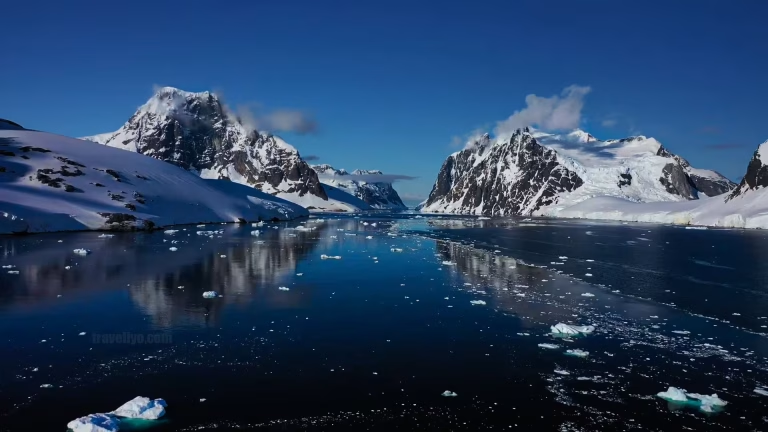
As we approached the Antarctic Sound, the first large tabular icebergs came into view. These weren’t the small pieces we had imagined; they were massive, flat-topped ice structures the size of city blocks. The naturalist Dr. Megan Prazak stood with us on deck, pointing out the layered lines inside the ice, explaining how these giants calved off the Larsen Ice Shelf.
The Silence That Catches You Off Guard
The moment the engines slowed, the silence became almost unsettling. No traffic noise, no wind against buildings—only the occasional crack of distant ice and the rhythmic pulse of the ship. Taniya held my arm tightly, her breath visible in the cold air. “It feels like the world is muted,” she whispered.
Photography Challenges Begin
Taking photos here was far from simple. The intense cold drained batteries rapidly. My gloves kept sliding against the camera buttons, and every time I lifted the lens, a thin layer of fog clouded the glass. Many passengers dealt with the same issue—someone near us used warm tea to heat a camera battery, which surprisingly worked for a few minutes.
Wildlife Welcomes You First
Cape petrels followed us along the water, dancing above the small waves. A pair of humpback whales surfaced just far enough to tease everyone trying to focus their camera. It wasn’t dramatic; it was simply real—Antarctica revealing itself on its own terms. Once we passed the Antarctic Convergence, the air temperature dropped sharply. The expedition leader, Mike, announced: “Welcome to Antarctica.” Hearing it officially, after days of motion, discomfort, and anticipation since leaving Ushuaia, made the moment feel monumental. Ahead of us lay the South Shetland Islands—and our first landing at Deception Island.
07. 🔥 Reaching Deception Island – First Steps on Antarctic Soil
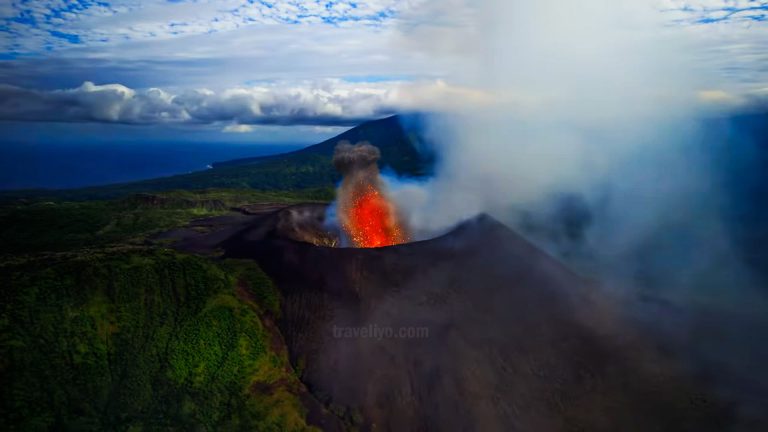
Our first destination on this expedition was Deception Island, one of the most unusual places on Earth. It is an active volcanic caldera, shaped like a horseshoe, with a narrow entrance called Neptune’s Bellows. Ships must time their entry carefully due to unpredictable winds and hidden rocks.

Entering Neptune’s Bellows
As we approached the narrow passage, all passengers gathered on deck. The captain reduced speed, and everyone fell silent. The dark volcanic cliffs on each side looked nothing like the icy landscapes we had imagined. Steam rose from sections of the shoreline, hinting at the geothermal activity beneath the surface.
The crew explained that Deception Island was once home to whaling operations and later a British research station. Several structures still remain—weathered, broken, and half-buried in ash.
First Landing Preparations
Before launching the Zodiacs, we received a detailed briefing on safety and biosecurity protocols:
. Check zippers and dry bags.
. Secure camera straps.
. Wash boots thoroughly through the biosecurity pool.
. Maintain distance from wildlife and historical remains.
Even these preparations felt surreal. Huge fur seals rested lazily on the black sand beaches, completely uninterested in our presence. Penguins waddled in small groups near the old whale-oil tanks.
Weather Surprises
January weather on Deception Island changes quickly. One moment we had sun breaking through the clouds, and the next, a curtain of fog rolled in, making the beach look like a scene from another planet. Mike reminded us: “If you can’t see your Zodiac, don’t wander too far.”
This was the end of the first major goal of our journey. Stepping onto Deception Island marked the emotional end of the preparation phase and the beginning of the exploration phase of our Ushuaia to Antarctica cruise.
08. 🙏 Personal Reflections – The Feelings That Stayed With Us
Standing on the black volcanic sand of Deception Island, the emotions were difficult to categorize. This wasn’t simply a travel milestone reached after sailing from Ushuaia to Antarctica; it felt like leaving the familiar world behind.
A Mix of Awe and Discomfort
The beauty of Antarctica is quiet, intimidating, and deeply humbling. The cold seeped into our gloves, the wind cut through our jackets, and every sound echoed against the volcanic walls. Yet we felt strangely calm—almost protected by the isolation.
Fear Meets Excitement
There were moments when the Zodiac bounced too hard on a wave or the fog reduced visibility to a few meters. A small part of me felt nervous, but Taniya always squeezed my hand and whispered, “We’re fine.” Traveling together turned each challenge into something we could laugh about later.
The Relationship Layer
On the deck one evening, as the sun hovered low behind thick clouds, Taniya rested her head on my shoulder and said, “I never thought the world could be this quiet.”
Antarctica forced us to slow down—not by choice, but by presence. Our conversations became softer, slower, more deliberate. There was no rush, no noise, no distractions. Just the two of us and the raw edge of the planet.
Why These Feelings Matter: Every traveler expects dramatic ice cliffs and penguins, but no one prepares for the emotional weight of silence, scale, and vulnerability. These are the feelings that stay when the photos fade. This was only the end of Part 1, yet it felt like the beginning of a deeper journey—for both of us, from Ushuaia to Antarctica.
09. 💡 Practical Tips for Traveling From Ushuaia to Antarctica
Traveling from Ushuaia to Antarctica is unlike any other journey. The combination of weather, strict regulations, and ship routines means preparation is everything. These are the tips that genuinely helped us—not the generic ones found on brochures.

Recommendation |
Why it Matters |
|
Choose a Mid-Sized Expedition Ship |
Ships with 120–200 passengers strike the best balance. IAATO rules limit the number of people allowed on land, meaning smaller ships ensure shorter waits and more time ashore. Our ship, the Ocean Adventurer, averaged smooth Zodiac rotations. |
|
Bring Two Waterproof Pants, Not One |
One pair will eventually get soaked—spray from Zodiac rides, snow, or simply kneeling for photos. Taniya reminded me of this repeatedly after my mistake. |
|
Take Seasickness Medication Early |
Do not wait until you feel nauseous. Start your medication 2–3 hours before leaving Ushuaia. Pharmacies like Farmacia del Fin del Mundo sell common motion-sickness pills, but bring your preferred brand from home. |
|
Protect Your Batteries and Gear |
Cold drains electronics extremely fast. Keep spare batteries inside your inner jacket. Use lens wipes (fogging is constant). Pack a dry bag for every Zodiac landing. |
|
Download Offline Tools Beforehand |
Ship WiFi is slow and expensive (Quark charged $150–$250). Download maps, ID guides, books, and music before leaving your hotel in Ushuaia. |
|
Always Attend the Briefings |
They are not optional formalities. Conditions shift quickly, and the landing you expect may change within minutes. The crew communicates essential updates through briefings. |
|
Vacuum Every Pocket for Biosecurity |
Antarctica’s ecosystem is fragile. Hair, seeds, dust, and dirt must all be removed. Every operator checks your outerwear before you board your cruise from Ushuaia to Antarctica. |
|
Stay Flexible |
Weather decides everything: routes, landings, even visibility. The ability to accept change transforms the trip from stressful to unforgettable. |
10. ⭐ Traveliyo Recommendations: Planning Your Ushuaia to Antarctica Cruise
Based on our real experience on the journey from Ushuaia Argentina to Antarctica, here are our top recommendations for fellow explorers.

Best Time to Travel
. January or early February: Ideal for stable access, peak wildlife viewing (penguin chicks, seal moulting), and longest daylight hours.
Best Cruise Operators (Departing from Ushuaia)
Operator |
Key Strength |
|
Quark Expeditions |
Strong leadership, highly experienced naturalists, excellent safety protocols. |
|
Oceanwide Expeditions |
Scientific focus, simple but reliable ships, excellent for active travelers. |
|
Hurtigruten |
Comfort and modern hybrid-powered ships, great food. |
|
Atlas Ocean Voyages |
Luxury feel with a robust expedition structure. |
Best Hotels in Ushuaia Before Departure
. Hotel Albatros: Closest to the port, perfect for pre-departure logistics.
. Cilene del Faro: Modern rooms with fantastic Beagle Channel views.
. Los Acebos Ushuaia Hotel: Quiet and scenic hilltop stay (requires a taxi to the port).
What NOT to Do
. Don’t plan tight connections after returning. Ships often arrive late due to weather.
. Don’t underestimate the Drake Passage. Take the medication early.
. Don’t carry loose items on deck—the wind can be violent and unforgiving.
. Don’t expect luxury WiFi; prepare for near-offline travel.
Packing Priorities (Beyond Operator Essentials)
. Neck gaiter (critical for wind protection)
. Thermal socks (multiple pairs)
. Waterproof phone pouch (for Zodiac rides)
. Energy bars (helpful during long landings)
. Lightweight crampons for icy decks (optional but highly useful)
11. ❓ FAQ – Ushuaia to Antarctica (Top 10 Questions Answered)
1. How long is the journey from Ushuaia to Antarctica?
Typically, the sea crossing takes 2 days (48 hours) across the Drake Passage, followed by the first sighting of the Antarctic Peninsula region on the third day.
2. Do I need a visa for Antarctica?
No. Antarctica is governed by the Antarctic Treaty. However, you must comply with IAATO regulations via your cruise operator, and you will need a valid passport.
3. What should I pack for the cruise?
Thermal base layers, waterproof outer shells (trousers and jackets), gloves/liners, camera protection, sea-sickness medication, and plenty of spare batteries.
4. Is the Drake Passage always rough?
No. It can be “Drake Lake” (calm) or “Drake Shake” (rough). You must always prepare for both.
5. Are landings guaranteed?
No. Weather, sea ice, and wind dictate everything. Operators adjust routes and landings dynamically based on the safest conditions.
6. Can I fly to Antarctica instead of sailing from Ushuaia?
Yes, fly-cruise options are available, but they typically depart from Punta Arenas (Chile), not Ushuaia. Sailing from Ushuaia provides the traditional Drake Passage experience.
7. Is internet available onboard?
Yes, but it is typically satellite-based, slow, and extremely expensive. We strongly recommend downloading all necessary media before your departure from Ushuaia.
8. What wildlife will I see first?
The first sightings are usually Albatrosses, Petrels, and seals. Penguins appear once you reach the South Shetland Islands, which is the gateway to the Antarctic Peninsula.
9. How cold is Antarctica in January?
Near the peninsula, temperatures range from approximately –2°C to +4°C, but the wind chill factor can make it feel much colder.
10. Will I get seasick?
Most passengers do, at least mildly, during the Drake Passage crossing. Medication (taken early) helps significantly.
12. ✅ Conclusion – The Beginning of a Deeper Exploration

Reaching Deception Island marks the emotional and geographical completion of the first critical stage of our Ushuaia to Antarctica journey. The transformation from the chaotic, windswept energy of Ushuaia, Argentina to the humbling, pristine silence of the Antarctic waters is profound. The legendary Drake Passage tested our patience, the vast Antarctic Sound humbled our perspective, and finally, stepping onto Deception Island grounded everything we had ever imagined about the White Continent.
This was more than just a trip; it was a psychological and physical shift, a perfect start to our adventure. The planning, the packing, the intense crossing—all of it culminated in that first magnificent view of the icebergs. This introductory phase of our cruise from Ushuaia to Antarctica prepared us, as a couple, for the true adventure that lay ahead.
This is only the beginning.
If you are planning your own dream journey to the bottom of the world, we hope our practical tips prove useful. The next chapter of our expedition dives deep into the heart of the frozen continent.
🔥 Join Our Next Chapter:
Ready to see the iconic Antarctic landscape? Our next post covers the most spectacular wildlife encounters, the challenging Zodiac landings, and our most memorable moments sailing deeper into the peninsula.
➡️ Read Part 2: Landings, Penguins, and the Heart of the Antarctic Peninsula.
For more historical background, You can read the detailed article on Wikipedia
Did this guide help you? Have you also visited Antarctica ? Share your experience in the comments below – it will be very valuable for other travelers.